South Africa’s transition to zero-emission freight transport continues to gather momentum as more fleet operators gain real-world experience with battery electric trucks. While long-haul electrification remains an emerging opportunity, urban and regional distribution applications are proving that the technology is already commercially viable. Volvo Trucks South Africa’s latest milestone highlights how local operators are steadily building confidence in electric mobility while generating valuable operational data under South African conditions.
Volvo Trucks South Africa’s growing fleet of battery electric trucks has collectively travelled more than 250 000km in commercial service since the vehicles were first introduced locally in 2023.
“While a quarter of a million kilometres may seem modest compared with the more than 400 million already accumulated by Volvo electric trucks globally, it represents a significant achievement in the South African context, where the majority of Volvo electric trucks are operating on shorter-route and urban distribution applications,” says Eric Parry, senior manager sustainable solutions at Volvo Trucks South Africa.
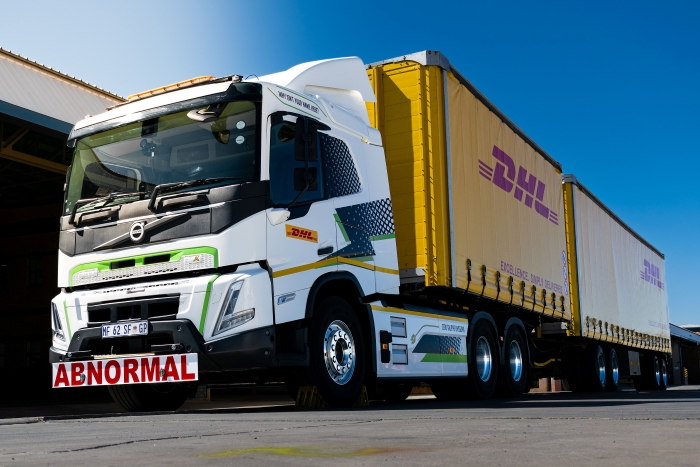
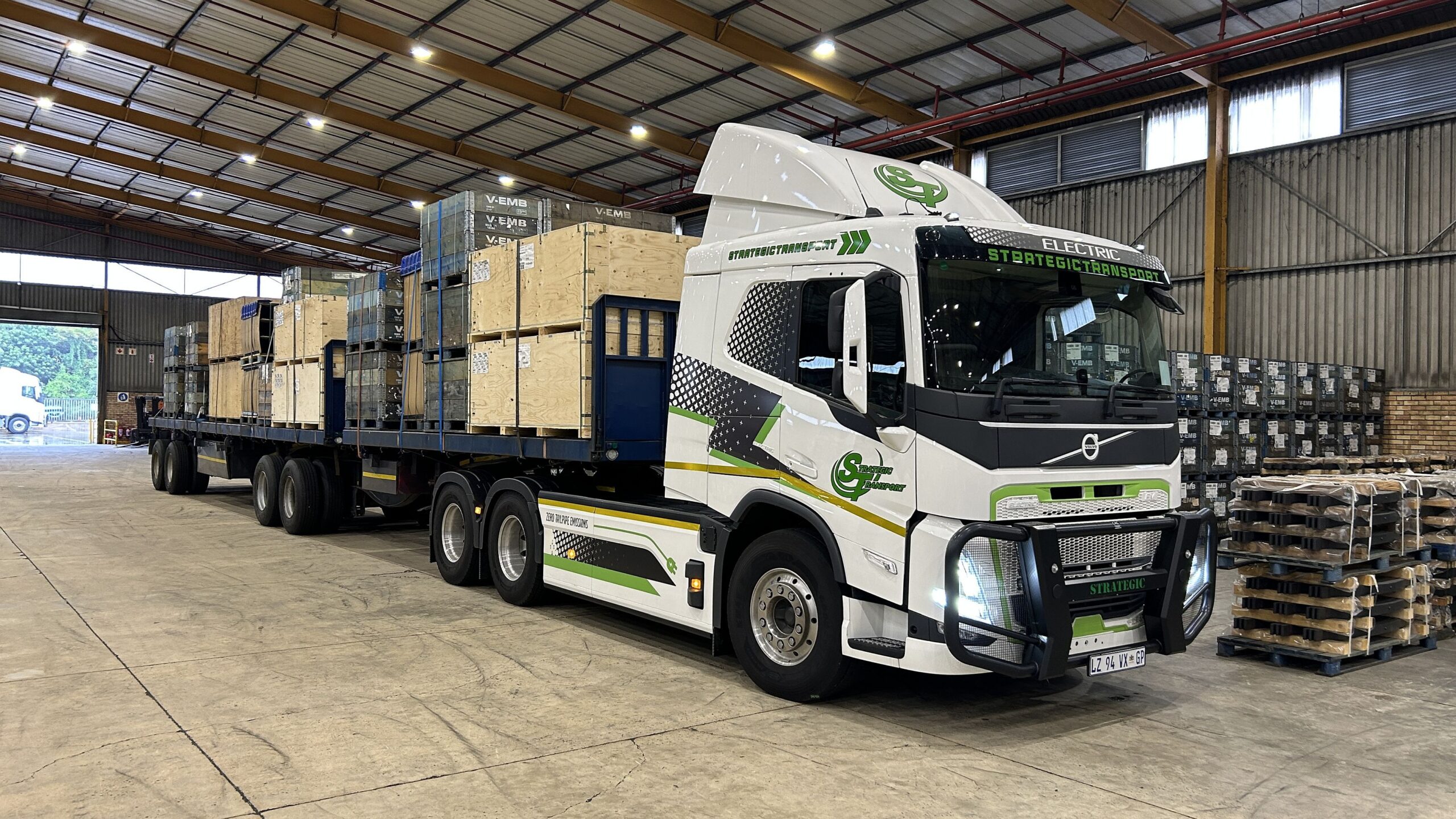
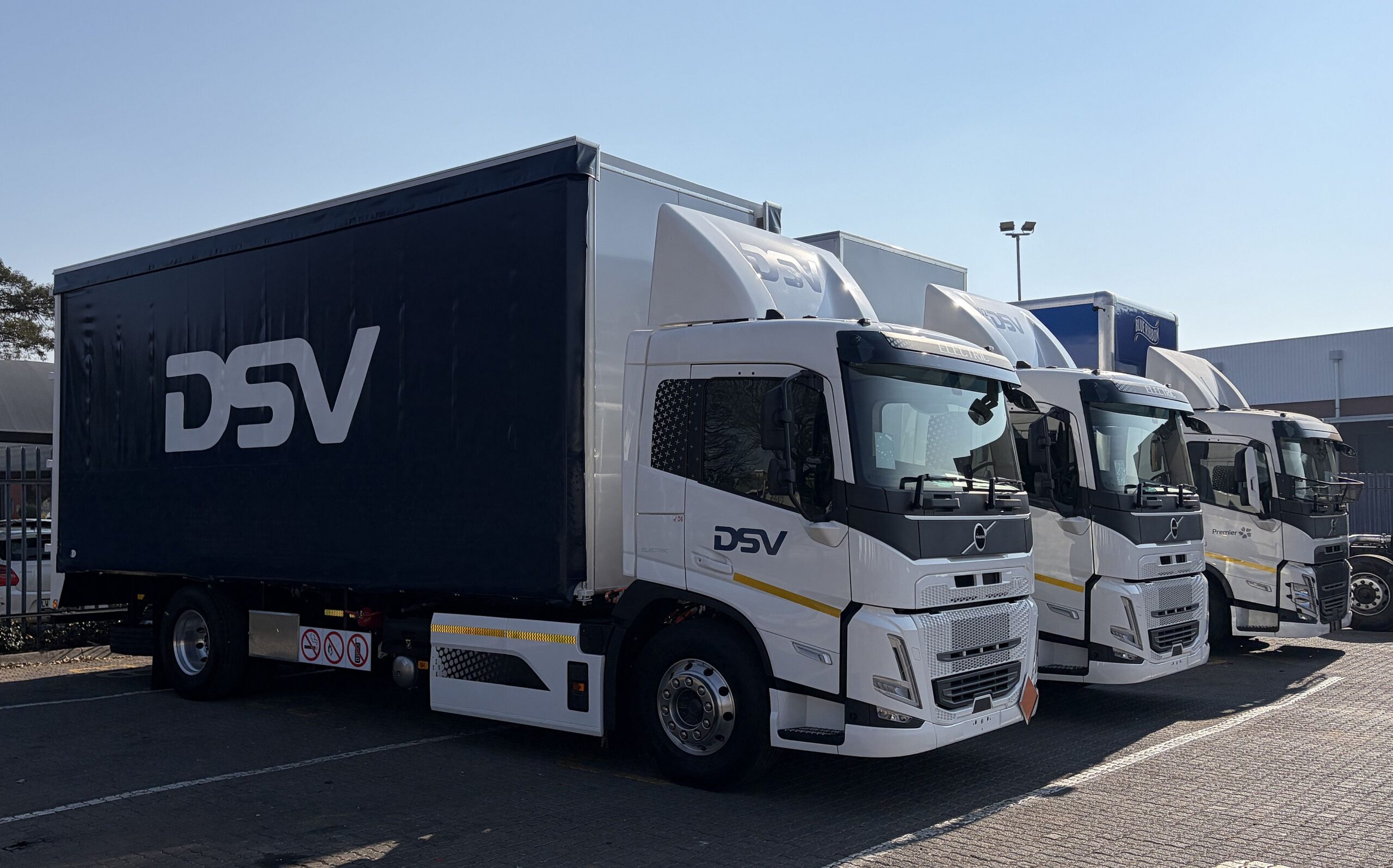
The current fleet covers a broad range of applications, from 8-tonne 4×2 distribution trucks carrying payloads of five to seven tonnes through to 6×4 tractor units hauling interlink trailers with payloads exceeding 32 tonnes.
Across the fleet, vehicles average approximately 2 000km per month, while the highest-utilisation units consistently cover around 10 000km each month. Average energy consumption stands at 1.77kWh/km across all applications.
“The milestone reflects the confidence customers have placed in Volvo Trucks’ electric transport solutions and demonstrates that battery-electric trucks are successfully meeting the demands of daily commercial operations,” states Parry.
Operational lessons shaping future adoption
Beyond the headline distance travelled, Volvo says the vehicles have provided valuable operational insight into charging strategies, vehicle utilisation, uptime requirements and driver experience under local operating conditions.
All customer fleets currently recharge their trucks at depots or loading and off-loading facilities using privately owned charging infrastructure. Charging strategies vary according to operational requirements, combining overnight AC charging with fast charging top-ups where required.
Parry believes the biggest success has been the industry’s willingness to embrace a new technology. “Our customers have embraced this technology with a willingness to learn, adapt and pioneer new ways of operating. Reaching a quarter of a million kilometres is not only a testament to the capability of the trucks, but also to the commitment of the customers and drivers who are making this achievement possible,” he says.
He adds that battery electric trucks are steadily moving beyond demonstration projects.
“One of the most satisfying aspects of this journey has been seeing electric trucks move from being a future concept to becoming part of everyday transport operations. Every kilometre travelled helps build confidence in the technology and strengthens the business case for broader adoption.”
Volvo supports its electric fleet customers through dedicated dealer and workshop capabilities, including real-time battery monitoring, specialised 24/7 roadside assistance and range prediction tools.
Next-generation electric trucks on the horizon
Volvo Trucks South Africa says the next phase of its local electromobility strategy will begin later this year with the introduction of a new generation of battery electric trucks offering greater operating range and additional power options.
“The trucks currently operating in South Africa are laying an important foundation for what comes next. With increased range and capability on the horizon, we are excited about the opportunities the next generation of electric trucks will bring,” explains Parry.
As more operators begin incorporating electric vehicles into their fleets, Volvo views the 250 000km milestone as an early indicator of broader market adoption rather than a destination in itself.
“While a quarter of a million kilometres is an important milestone, it is what those kilometres represent that matters most: growing customer confidence, valuable operational experience, and a foundation for the next generation of electric transport,” Parry concludes.
Editor’s comment: The significance of this milestone extends beyond the distance travelled. South Africa’s road freight industry needs local operating data, practical experience and proven business cases before electric trucks can scale meaningfully. Volvo’s early adopters are providing exactly that, demonstrating that battery electric trucks already have a place in urban and regional distribution while helping shape the roadmap for wider fleet electrification.
Click on photographs to enlarge