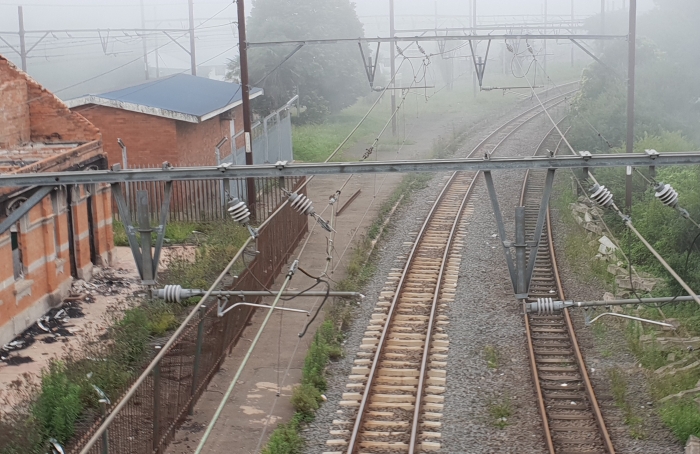
Every kilometre of rail restored to reliable service has a direct impact on South Africa’s trucking industry. While rail and road are often portrayed as competitors, they are in fact complementary parts of the country’s freight ecosystem. Reliable rail services can shift appropriate bulk freight off congested roads, while efficient ports and intermodal operations reduce delays, improve vehicle productivity and lower logistics costs across the supply chain. Truckers therefore should not view a stronger Transnet as a threat, but as an opportunity.
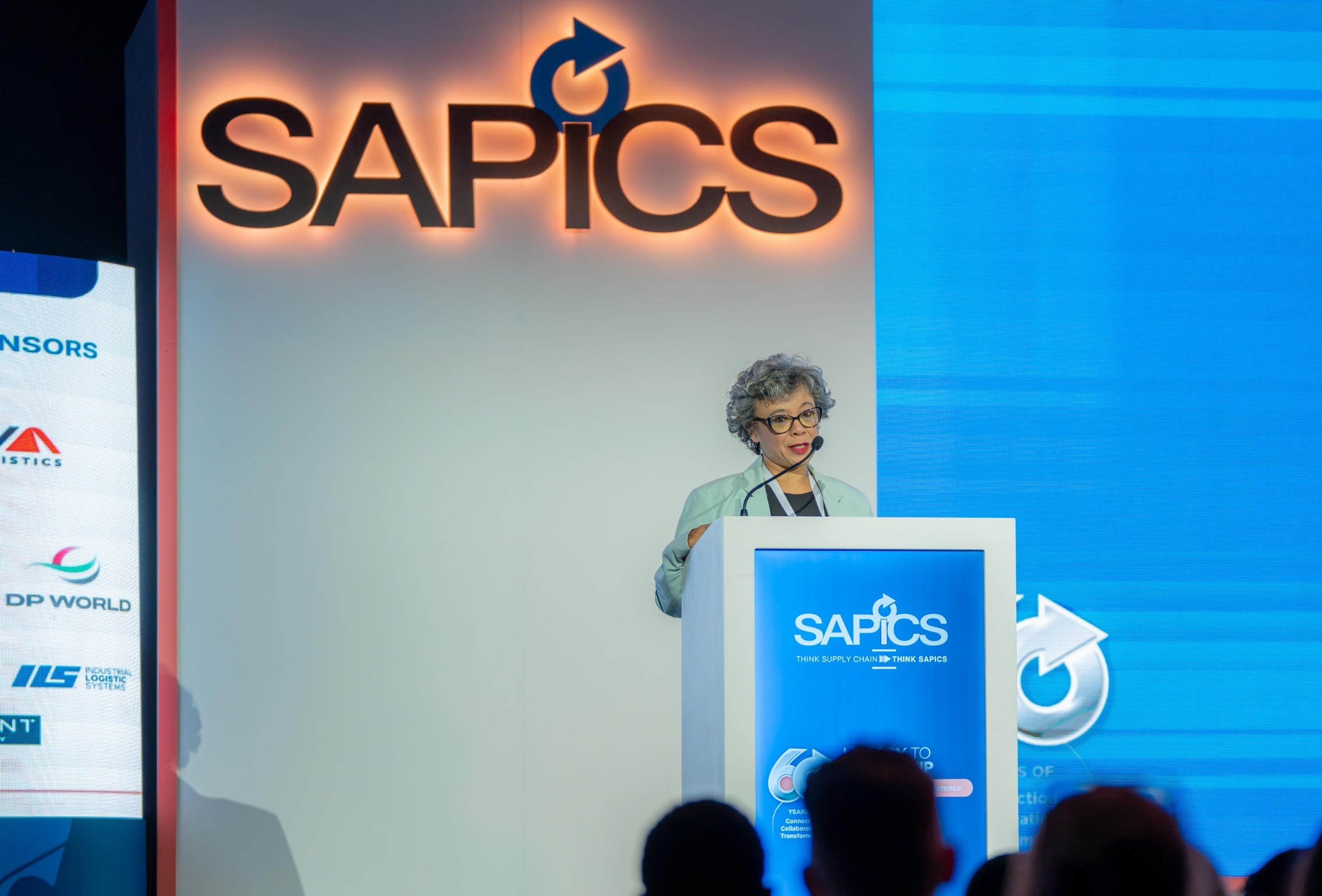
In her keynote address at the 48th SAPICS Conference in Cape Town, Transnet Group chief executive Michelle Phillips outlined an ambitious recovery programme backed by more than R129-billion in planned investment over the next five years.
Addressing more than 500 supply chain professionals from across Africa and beyond, Phillips said the state-owned logistics company is beginning to rebuild operational performance, financial sustainability and industry confidence.
Recovery strategy beginning to deliver results
Phillips said Transnet’s “Reinvent for Growth” (R4G) strategy is gaining momentum through improved operational discipline, stronger financial performance, equipment renewal and growing private sector participation. The turnaround programme is built around three strategic pillars:
-
Fix and Optimise
-
Transform
-
Grow
According to Phillips, early signs of progress are already evident. Freight rail volumes are stabilising after several years of decline, container throughput is improving at key port terminals and accelerated equipment interventions are boosting operational reliability. At the same time, partnerships with the private sector are helping restore confidence in the national logistics system.
She said the reforms are expected to support continued freight volume recovery over the next five years while repositioning Transnet for long-term growth. Transnet Freight Rail volumes are forecast to increase by approximately 4.7% between the 2026/27 and 2027/28 financial years.
Procurement overhaul delivering measurable gains
Phillips also highlighted significant reforms within Transnet’s procurement function, describing it as a strategic enabler rather than simply an administrative process.
The organisation is implementing a centre-led procurement operating model supported by digital transformation, strengthened supply chain governance, supplier relationship management and inclusive growth initiatives. She reported measurable improvements including:
-
50% reduction in irregular expenditure.
-
75% reduction in procurement turnaround times.
-
78% reduction in procurement cycle times through process redesign.
-
More than 10% cost savings through strategic sourcing.
-
More than R2 billion in realised value and savings.
Phillips said these changes have transformed procurement into a strategic value engine that supports business recovery, operational excellence and sustainable growth.
Closing her address, she emphasised that Transnet’s recovery is central to South Africa’s economic recovery, telling delegates that the organisation’s strategy is delivering results.
“The strategy is working, the recovery is real and the future is sustainable,” she concluded.
Editor’s comment: The real prize in a fully functional Transnet lies in a balanced freight network where road, rail and ports each perform the role they are best suited to, creating a more competitive logistics system. Experience tells us that the transfer of freight from road to rail probably won’t happen without much gnashing of teeth – and it will be an incremental shift spanning several years. However, with effective collaboration between the road freight industry, Transnet, Government and private enterprise, the end result will be an economically stable South Africa.
Click on photographs to enlarge