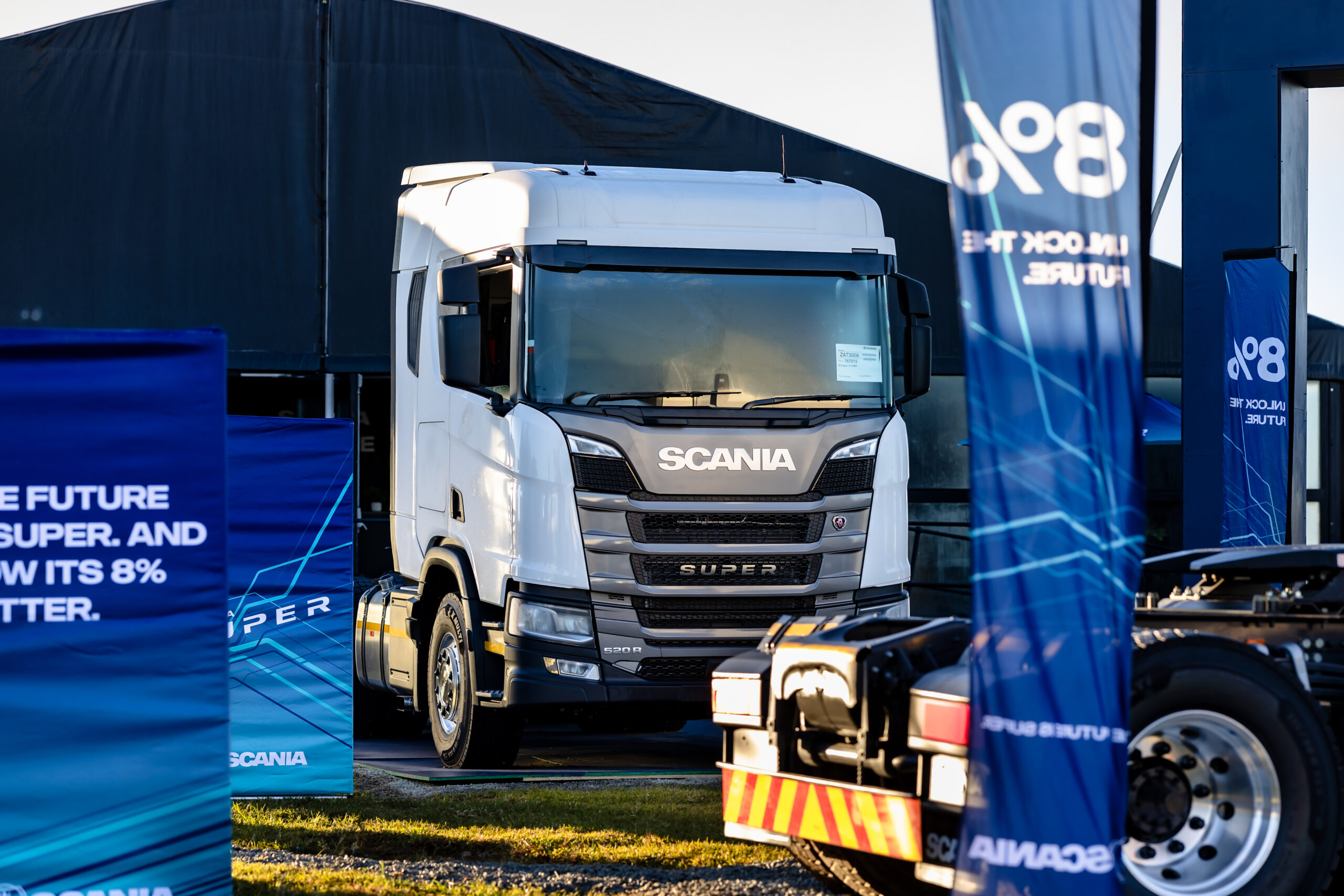
From agriculture and mining to retail and manufacturing, the cost and reliability of moving goods by road directly affects the price and availability of products across the economy and by extension, the quality of life for all South Africans. With this in mind, Scania Southern Africa used its presence at NAMPO Harvest Day 2026 to position the new Scania Super powertrain as a practical answer to the operational realities facing modern truck fleet operators.
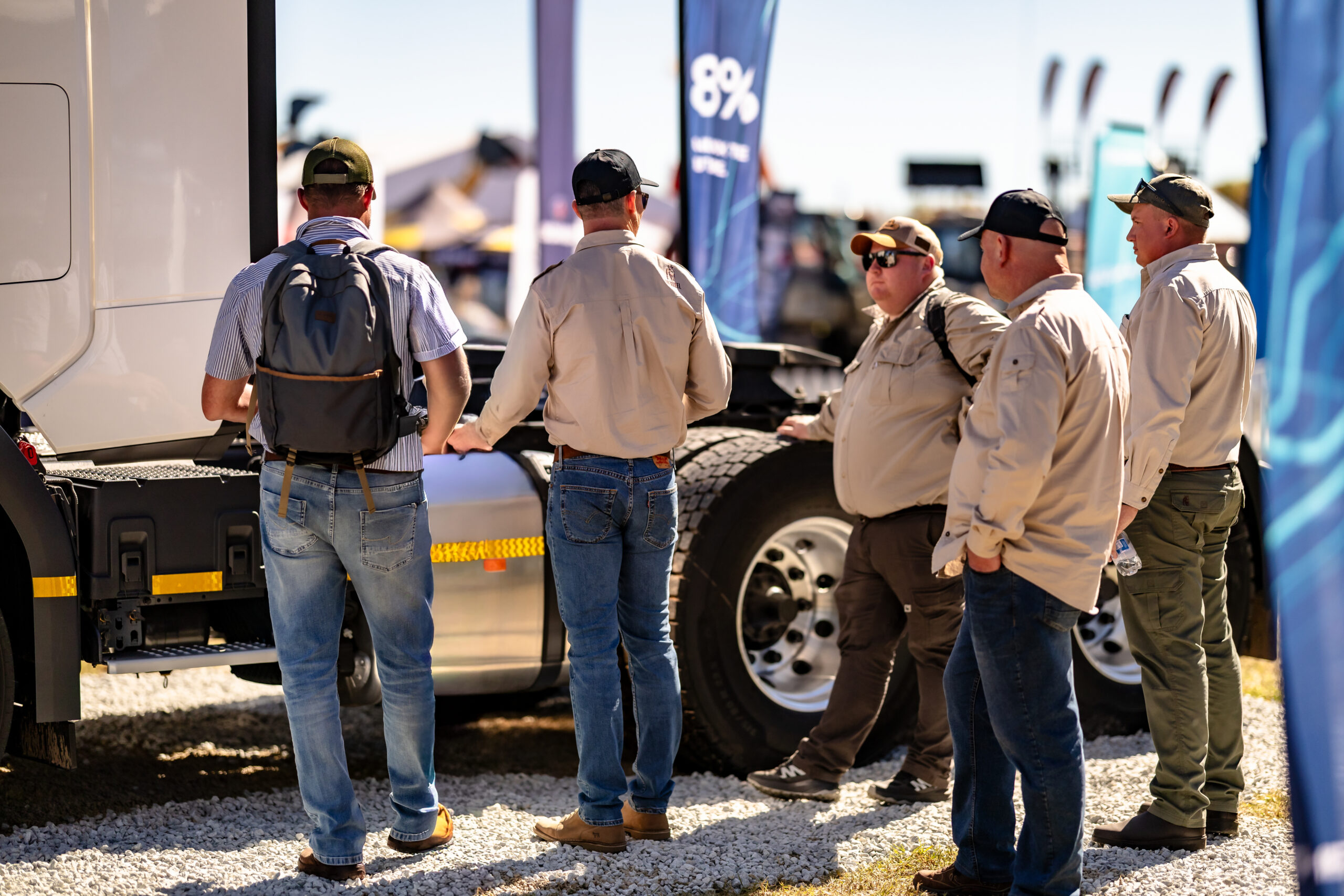
The public unveiling of the Scania Super formed the centerpiece of the company’s 2026 exhibition strategy, with a strong focus on fuel efficiency, uptime and long-term operating economy for heavy-duty transport applications serving the agricultural and broader logistics sectors. NAMPO attracts farmers, agribusiness leaders, logistics stakeholders and fleet operators from across the country.
Fuel efficiency remains central to fleet profitability
Road freight continues to carry the majority of goods across South Africa, making transport efficiency a critical factor in the competitiveness of multiple industries. For many operators, fuel remains the single largest operating expense, often accounting for between 30% and 50% of total fleet costs.
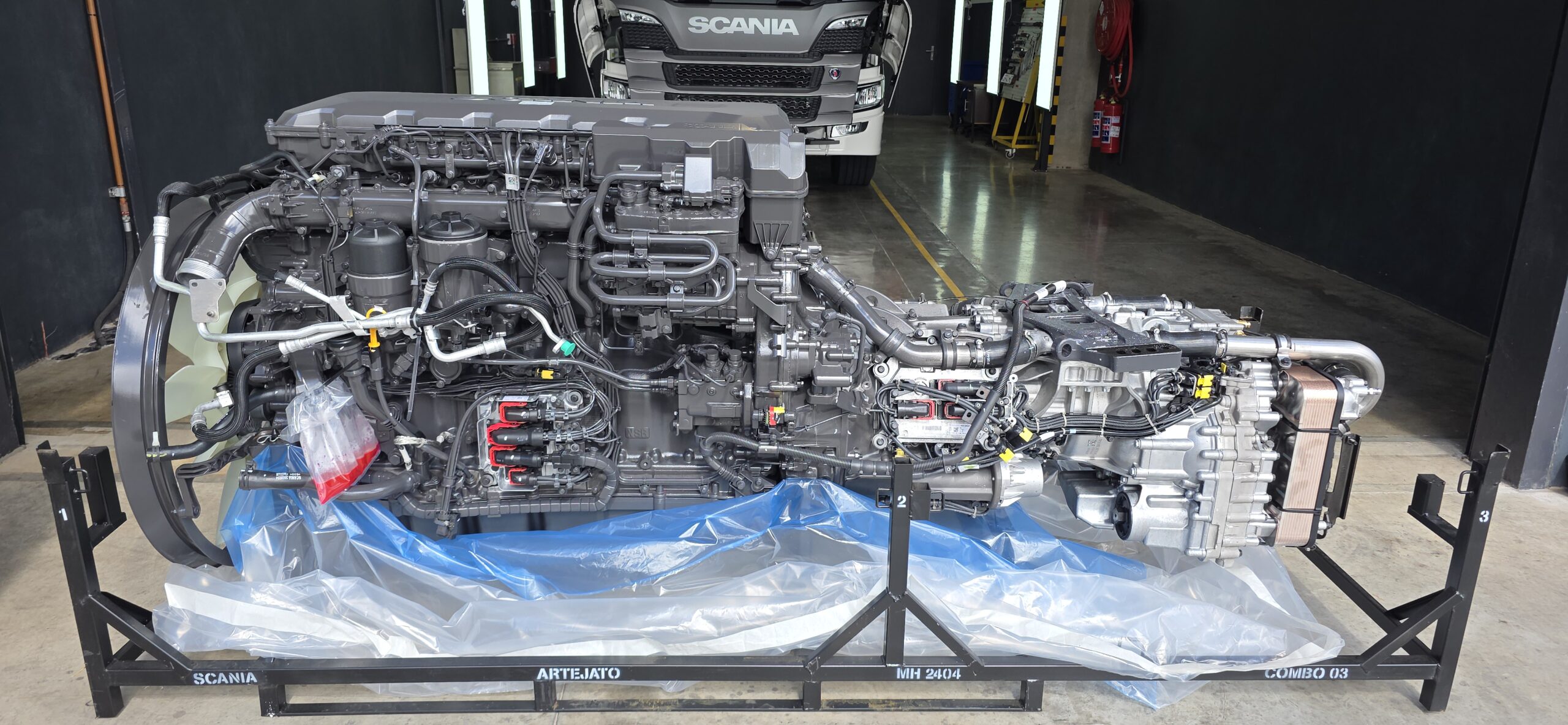
The new 13-litre Scania Super engine has been engineered to address precisely that challenge. According to Scania, the powertrain delivers fuel savings of up to 8% compared with the previous generation while achieving brake thermal efficiency figures of up to 50%.
The gains are supported by upgrades to the Scania Opticruise gearbox, rear axle and the company’s modular chassis platform, all aimed at improving payload capability, durability and overall operating efficiency.
“We are operating in an environment where efficiency is no longer just a technical performance metric. It has become a key driver of both profitability and sustainability. Customers are increasingly focused on what efficiency delivers per kilometre, per load and across the full lifecycle of the vehicle,” says Erik Bergvall, Managing Director of Scania Southern Africa.
Efficiency pressures extend beyond fuel consumption
While fuel costs remain a dominant concern, fleet operators are also facing mounting pressure from operational inefficiencies such as excessive idling, poor route optimisation, load imbalances and unplanned downtime.
These factors continue to erode margins in an already difficult operating environment, particularly in sectors such as agriculture where timing, reliability and seasonal demand cycles are critical.
At the show, Scania said technologies that improve predictability, uptime and operational control are becoming increasingly important as operators seek to remain competitive while balancing cost pressures with customer expectations.
Sustainability is increasingly tied to operational performance
Although the long-term transition toward lower-emission transport technologies continues globally, Scania believes substantial sustainability gains can already be achieved through improvements in conventional internal combustion efficiency.
Lower fuel consumption, increased payload efficiency and higher uptime all contribute toward reducing emissions intensity while maintaining commercially viable transport operations.
“Sustainability in transport is determined by how efficiently goods are moved today, not only by future energy transitions,” says Mark Templeton, Sustainability Manager at Scania South Africa. “Improving efficiency within current fleets is one of the most immediate and scalable ways to reduce environmental impact and lower fuel costs.”
Scania South Africa said its participation at NAMPO 2026 reflects the company’s long-term commitment to both the agricultural and transport sectors, particularly as operators seek practical solutions capable of lowering fuel consumption while improving reliability and operational performance.
Editor’s comment: South Africa’s road freight economy is increasingly being shaped by efficiency rather than outright capacity. Whether moving grain from farms, parts to factories or products to retailers, transport costs ripple through every layer of the economy. In that environment, technologies capable of delivering measurable fuel savings and higher uptime are no longer niche engineering achievements – they are becoming strategic business necessities.
Click on photographs to enlarge