Across South Africa’s high-density freight corridors, where industrial activity intersects with residential and commercial communities, the margin for operational error in bulk logistics is effectively zero. For best-practice fleet operators in this sector, compliance is no longer simply about meeting regulatory requirements – it is about maintaining a social licence to operate.
Exemplifying this holistic understanding is leading bulk freight fleet, Reinhardt Transport Group (RTG), which positions responsible bulk handling as a core operational discipline, embedded alongside safety, environmental stewardship and continuous improvement.
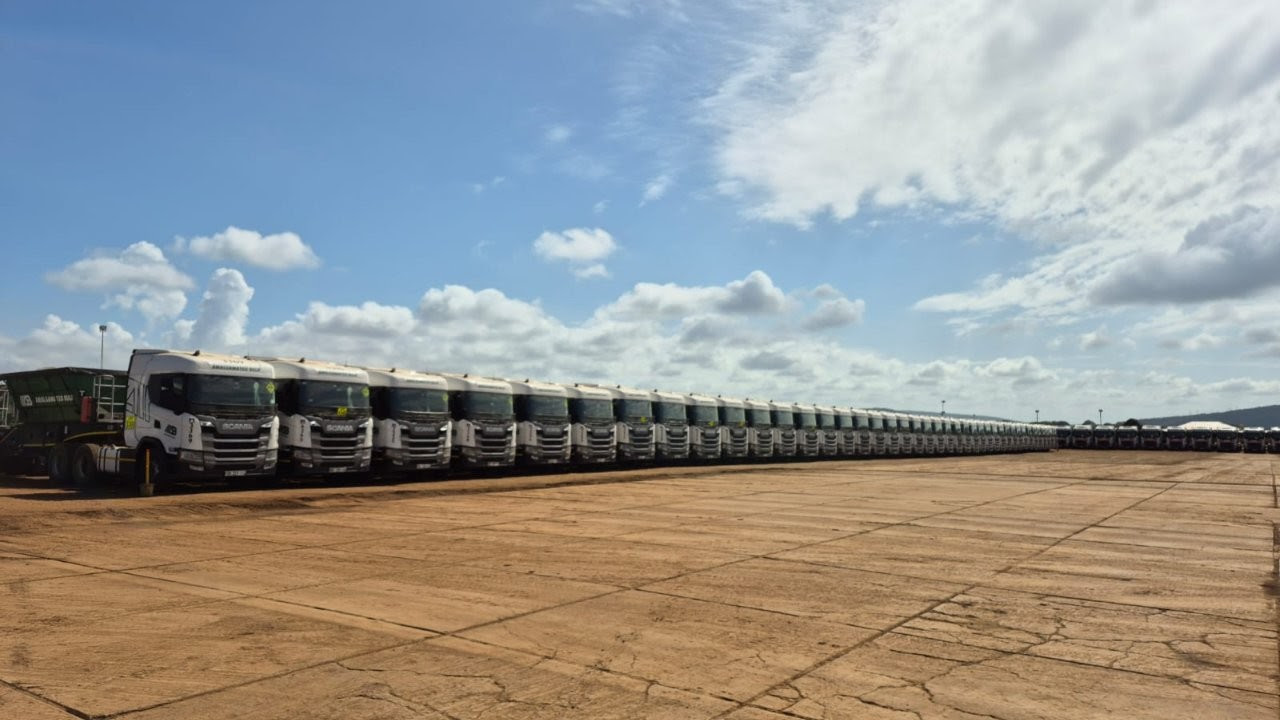
The Group, which fields over 1 000 trucks, notes that operating within a highly regulated environment requires more than procedural adherence. It demands a structured, transparent approach to managing impact, particularly where bulk commodities are transported, handled and stored in proximity to established communities.
This includes formal application processes, environmental assessments and public participation frameworks that ensure oversight and accountability across all activities.
Managing operational impact
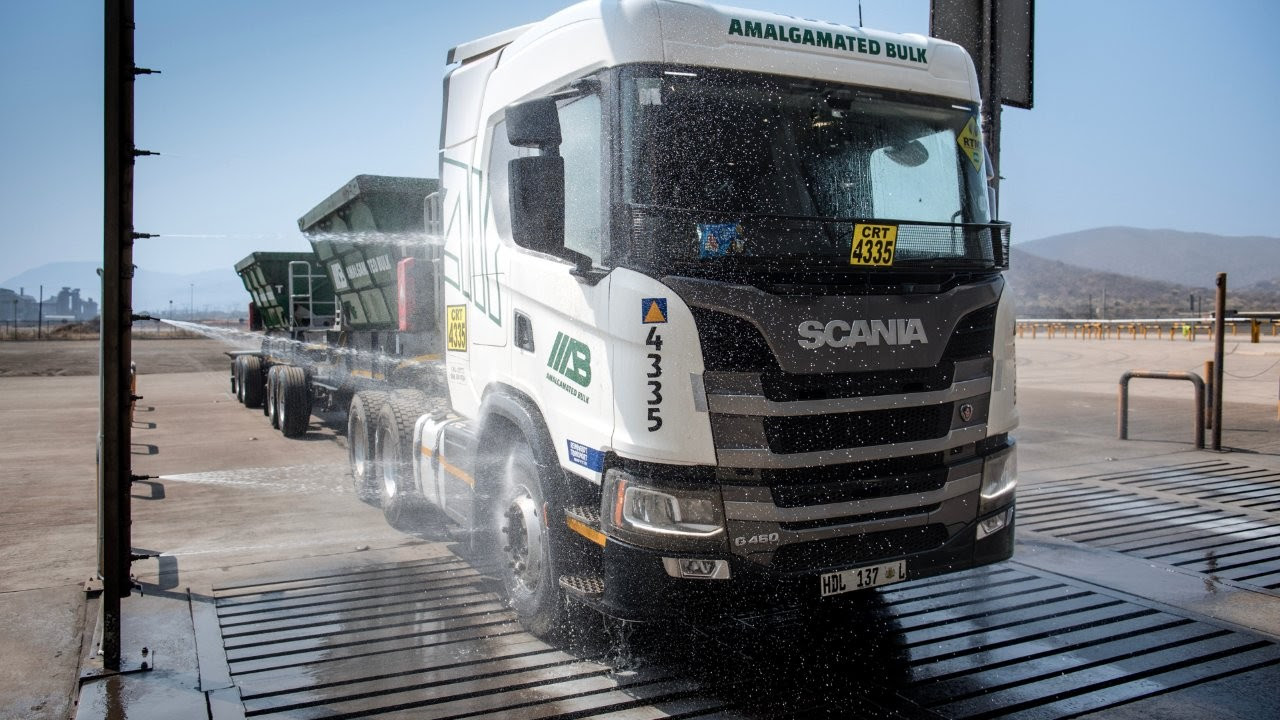
RTG outlines that bulk material handling introduces a range of environmental and operational risks that must be actively mitigated. The company emphasises that compliance is achieved through tightly controlled operational measures designed to limit dust, manage site activity and ensure safe materials handling practices.
From RTG’s perspective, this includes controlled loading and offloading procedures, continuous site monitoring and the maintenance of equipment and infrastructure to support safe, efficient operations.
The company adds that these controls are not static – they are continuously refined in line with evolving industry standards and operational learnings.
Alignment with industry standards
Beyond site-level controls, the Group highlights a broader commitment to aligning its operations with recognised safety, quality and environmental management standards. This extends to ongoing investment in fleet modernisation and efficiency-focused technologies.
RTG states that these initiatives are aimed at reducing emissions, optimising transport performance and improving overall environmental outcomes – a critical focus area as the logistics sector comes under increasing pressure to decarbonise and operate more sustainably.
Public engagement and transparency
A key pillar of RTG’s operating model is structured stakeholder engagement. The company notes that maintaining open, formalised communication channels with communities, neighbouring businesses and regulators is essential in sensitive operating environments.
This includes participation in public consultation processes and ensuring that relevant operational information is accessible for review.
RTG emphasises that transparency is central to building trust and addressing stakeholder concerns in a constructive, compliant manner.
Continuous improvement as a discipline
For RTG, responsible logistics is not a fixed benchmark but an evolving process. The company stresses that maintaining high operational standards requires ongoing evaluation, accountability and adaptation as regulatory frameworks and community expectations shift.
The Group concludes that vigilance and continuous improvement remain fundamental to its approach, with a commitment to engaging stakeholders and ensuring that all operations meet – and where possible exceed – regulatory requirements.
RTG has made application documentation available for public access and review as part of its transparency commitment – https://reinhardt.co.za/public-notice-clairwood/
Editor’s comment: In a South African context – where freight corridors are increasingly embedded within urban and peri-urban landscapes – RTG’s approach reflects a broader shift in the logistics sector where compliance alone is no longer sufficient. Operators are being measured (think ESG) on how proactively they manage environmental impact, engage communities and future-proof their operations. For fleet owners and logistics providers, responsible bulk handling is fast becoming a defining marker of operational credibility and long-term sustainability.
Click on photographs to enlarge