By Cassela Jorge, Founding Director of CK And IJ
South Africa is not approaching a transport crisis. It is living inside one – and the longer it refuses to name it plainly, the deeper the damage runs. Behind every delayed delivery, rising food prices and missed export window lies the same rot: a freight system held together by deferred decisions, stretched budgets and a collective refusal to treat infrastructure as the economic lifeline it actually is.
The rail betrayal and its invoice
The collapse of South Africa’s freight rail was slow, documented and largely preventable. What followed was predictable: the entire burden shifted onto road transport. Trucks became the country’s de facto logistics backbone, absorbing freight volumes they were never designed or funded to carry alone.
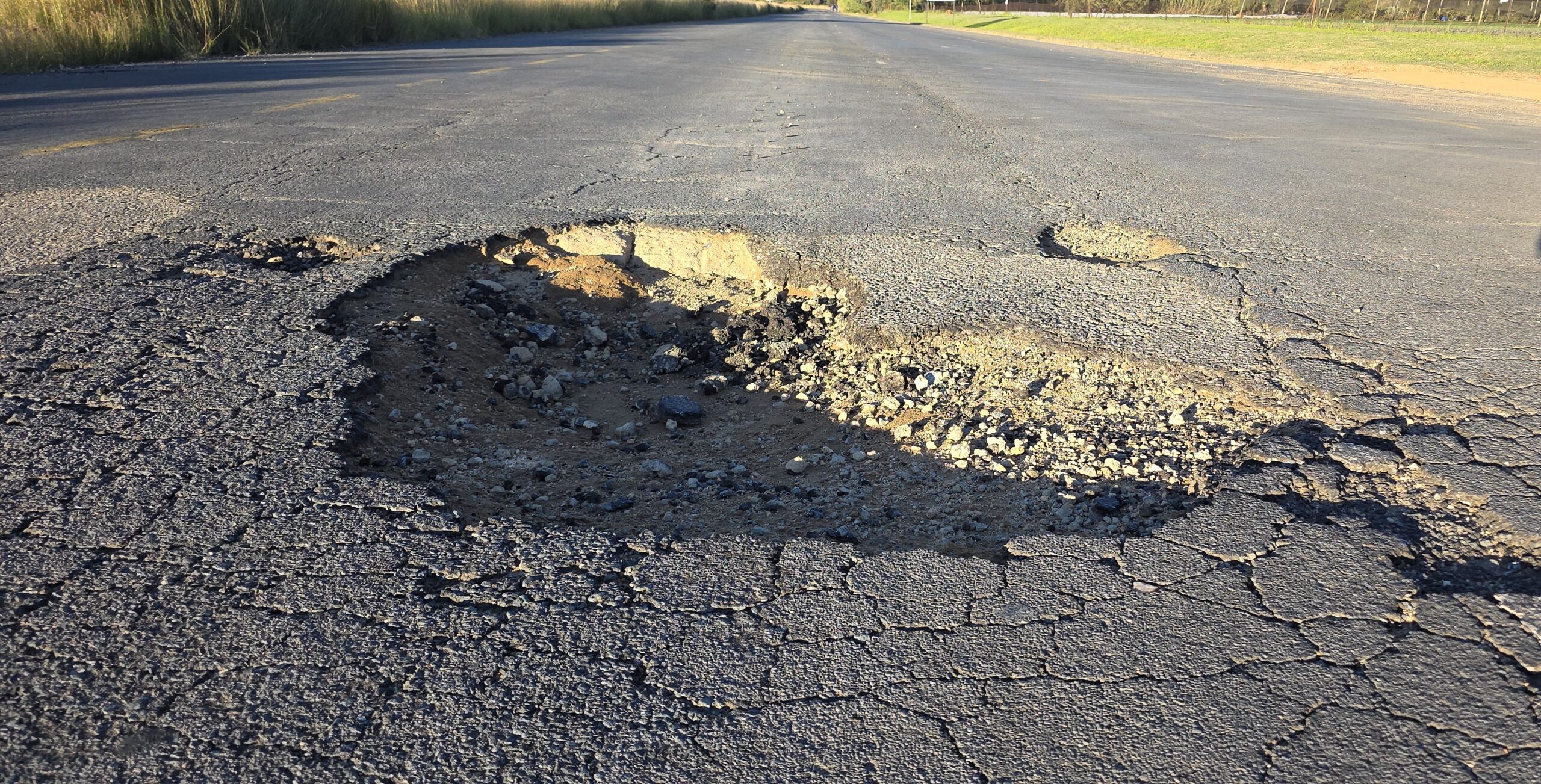
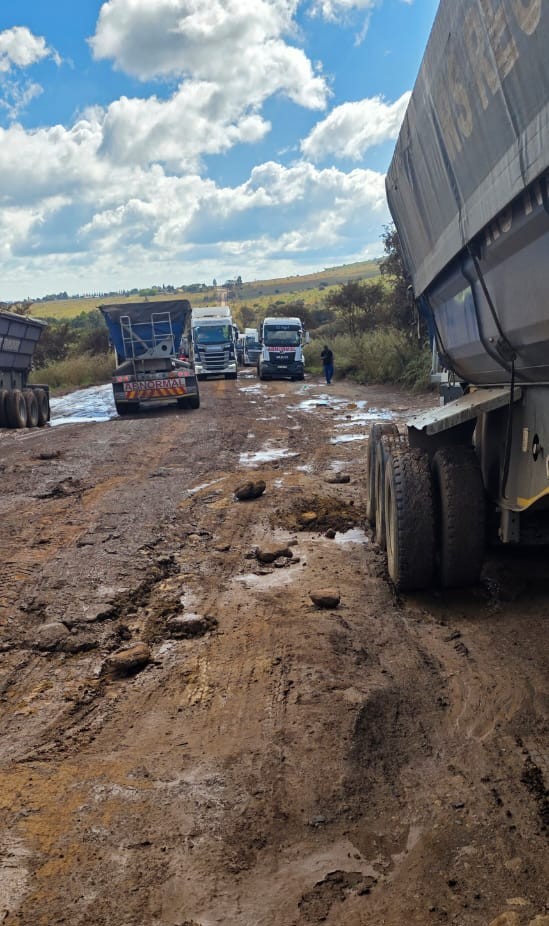
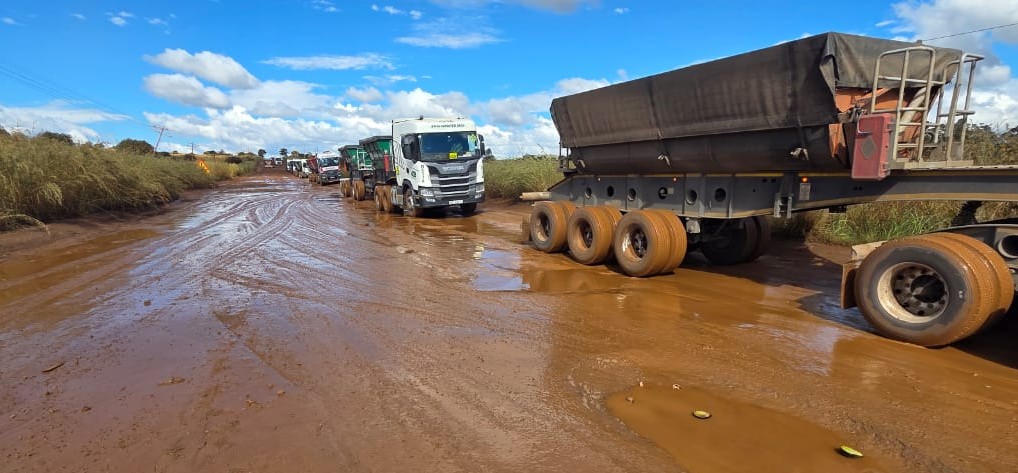
Roads built for mixed traffic are now being hammered by heavy combination vehicles around the clock. Pavements are failing years ahead of schedule. And operators absorbing costs that should never have been theirs to carry are being quietly broken by them. The rail collapse was a policy failure. The road crisis it created is the invoice.
The survival trap
Truck prices are punishing. Finance costs have climbed. Freight rates remain compressed. Fleet renewal has become financially impossible for many operators – not through mismanagement but because the economics are structurally broken.
The result is a dangerous cycle: older vehicles stay on the road too long. Maintenance becomes reactive. Cash flow tightens with every breakdown. And tighter cash flow delays the maintenance that would have prevented the next one. This is survival mode, and it is a slow bleed that weakens the entire transport chain while presenting the illusion of continued operation.
The hidden tyre crisis
A full tyre set for a heavy combination vehicle costs close to R100,000. Those tyres are being destroyed by potholes, overloading, heat and road surfaces that should have been rehabilitated years ago. As tyre life shortens, costs rise immediately, fuel consumption climbs, downtime multiplies, safety risks escalate.
Those costs do not stay in logistics. They move through the supply chain and land – invisibly but inevitably – in terms of the price of food, medicine and every product that travels by road. The public sees a pothole as an inconvenience. A transport operator sees thousands of rands in damage. That gap in understanding is precisely why the crisis is not being treated with the urgency it demands.
Technology is no longer optional
A parallel crisis is unfolding inside the industry itself. Too many fleets still run on paper logs, WhatsApp updates and reactive maintenance cultures. In an environment where margins have all but disappeared, operational blindness is not a weakness, it is a liability.
The divide is already visible. Operators using telematics, AI fleet analytics, tyre pressure monitoring and predictive maintenance tools will dominate the next decade. Those flying blind are already under threat, not from competition alone but from costs they cannot see coming and cannot afford when they arrive.
Transport is the economy
Transport is not a sector. It is the bloodstream through which mining, agriculture, retail, manufacturing and exports function. When fleets become unreliable, production falters, ports slow, shelves thin, and inflation worsens, not as a side effect but as a direct consequence.
The greatest danger is not a single collapse. It is the slow accumulation of ageing fleets, deteriorating roads, deferred maintenance and delayed investment, each individually manageable, collectively catastrophic.
South Africa’s freight system is still moving. But it is bending. And mistaking “still moving” for “fine” is exactly how a crisis becomes a collapse. The warning signs are there. The question is whether anyone who is in a position to act is actually reading them.
Editor’s Comment: Wow! You are saying publicly what many are saying behind closed doors. “South Africa’s freight system is still moving. But it is bending.” It certainly is bending. The transport operators know it but those in government ranks do not. They have no idea of the serious situation the industry is facing – as you have so plainly outlined. I have incorporated a few pictures of the horrible infrastructure which trucks have to contend with so as to add muscle to what you are saying. And just as a matter of interest, a major OEM told me just yesterday that their dealers were noticing some of their clients skipping their regular maintenance intervals on their trucks. This lends weight to your statement that “Cash flow tightens with every breakdown and tighter cash flow delays the maintenance that would have prevented the next one.”
For those who are not aware of CK & IJ Trading & Projects, it is a South African, family-owned logistics support company established in 2014 that provides maintenance and breakdown support to commercial fleets. The company’s services span on-site tyre maintenance, fleet tyre management, emergency roadside breakdown assistance, rim repairs, and suspension and brake services. The company states that every solution it offers is designed to reduce vehicle off-road time, protect delivery schedules and lower the total cost of fleet ownership.
Click on photographs to enlarge