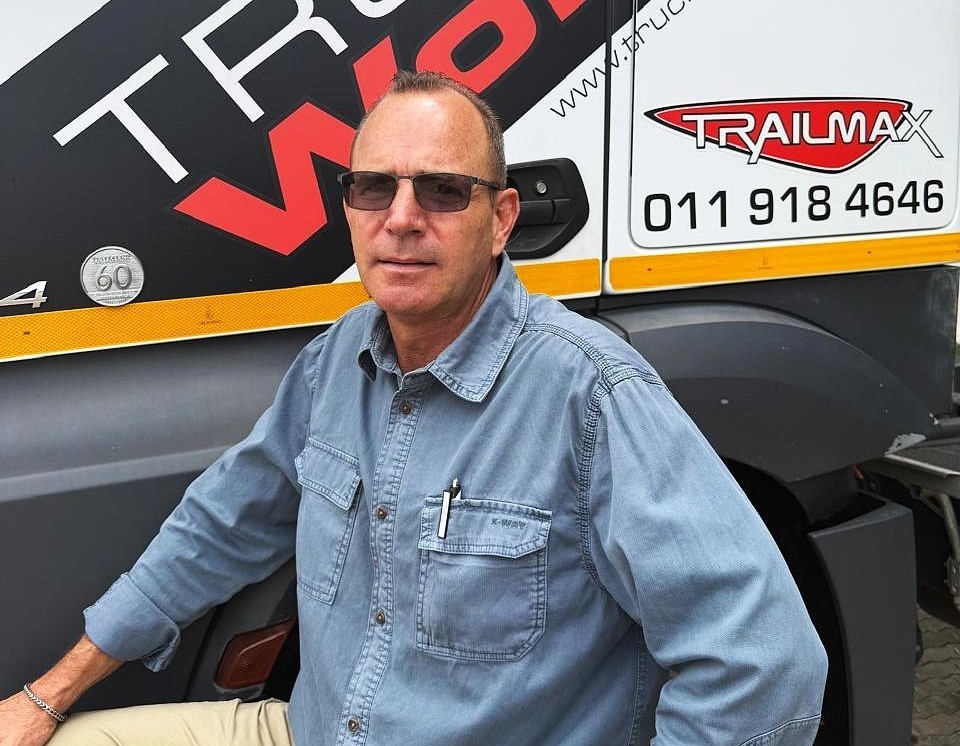
By Albrich van Niekerk, Group CEO – Pander Holdings (Pty) Ltd
After what can only be described as the longest down-cycle in modern trucking history, the South African transport industry is finally showing signs of normalisation. For the first time in two years, there is a noticeable uptick in vehicle sales, RFQs (Request for Quotations) and perhaps most importantly, market sentiment. Operators are cautiously engaging again. Fleets are talking about replacement rather than survival. The panic that defined the post-Covid years is slowly giving way to pragmatism. But this is not a boom. It is a RESET.
The damage of our delayed Covid
The true impact of Covid on our industry was not immediate – it was delayed, prolonged and brutal. We have seen:
- Numerous transport businesses close their doors.
- Persistently tight cashflows among survivors.
- Significant job losses.
- An oversupply of drivers in certain segments.
Many operators who are still standing today are doing so through sheer resilience rather than profitability. Balance sheets remain fragile and confidence – while improving – is far from robust.
Will rail really change the game?
Every recovery cycle brings renewed optimism around rail. The reality is less encouraging. While there is talk of reform and private sector participation, it is highly unlikely that rail will meaningfully impact road freight volumes in the next five years. Infrastructure has deteriorated too severely, operational capacity has been eroded and execution remains inconsistent.
For the foreseeable future, road freight will continue to carry the backbone of South Africa’s economy – whether it is ready for that responsibility or not.
The real concern: Financiers in the reset phase
The biggest concern in this next phase is not demand. It is the behaviour of financial institutions.
As the industry resets, the critical question is this: Will financiers partner with their clients or retreat behind rigid, pre-Covid risk models? Transporters need:
- Cashflow-sensitive facilities.
- Realistic restructuring options.
- Credit decisions based on forward viability, not historical distress.
If banks and financiers treat this recovery as if nothing has changed, they risk strangling the very operators who kept supply chains alive during the worst of times. We have explored this tension before, whether financiers are knights in shining armour or devils in disguise. In 2026, that question becomes even more relevant.
A cautious optimism
There is reason for guarded optimism. The industry is leaner, more disciplined and far more aware of its vulnerabilities than before. But this recovery will not be driven by hype or aggressive expansion. It will be driven by measured decisions, disciplined operators, and financial partners willing to evolve. 2026 may well mark a new dawn – but only if the lessons of the last cycle are not ignored.
Editor’s Comment: If readers would like to comment on the above opinion – whether to agree or disagree on any of the points made or add you own views on the 2026 outlook – you are welcome to do so. Email your comments to The Editor: fleetwatch@pixie.co.za.
Click on photograph to enlarge