How good is this? Often when one drives over a bridge, one doesn’t really appreciate the work and engineering ingenuity that goes into the building of that bridge. We just accept that it’s there to ensure the free flow of traffic. Well, here is one worth highlighting.
High in the rugged north-eastern highlands of Lesotho, the Senqu River Valley is poised for transformation. The ‘under construction’ Polihali Dam/reservoir, a central feature of the Lesotho Highlands Water Project (LHWP) Phase II, will eventually fill and submerge sections of the existing A1 route, effectively turning erstwhile low-level river crossings into open water.
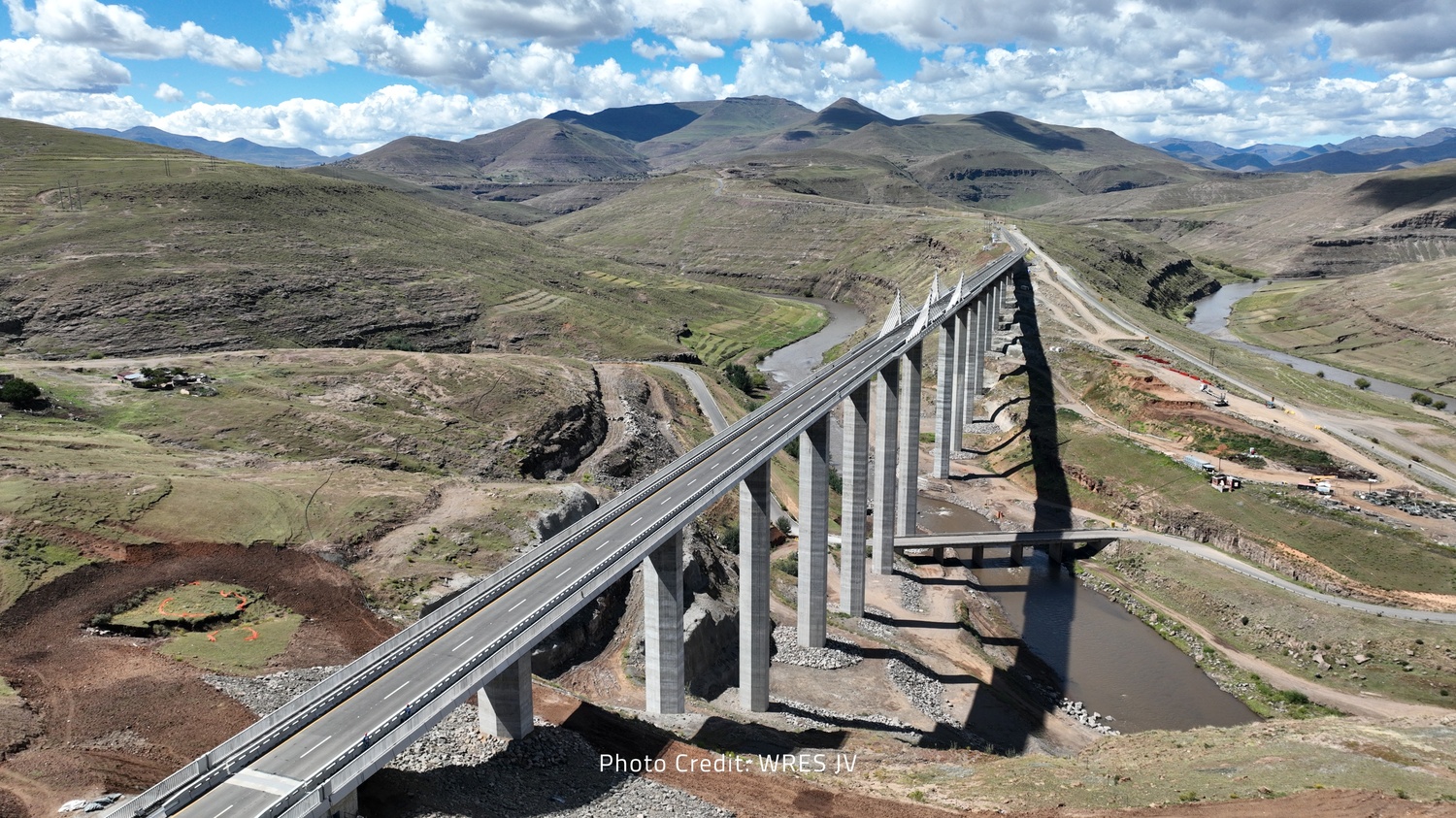
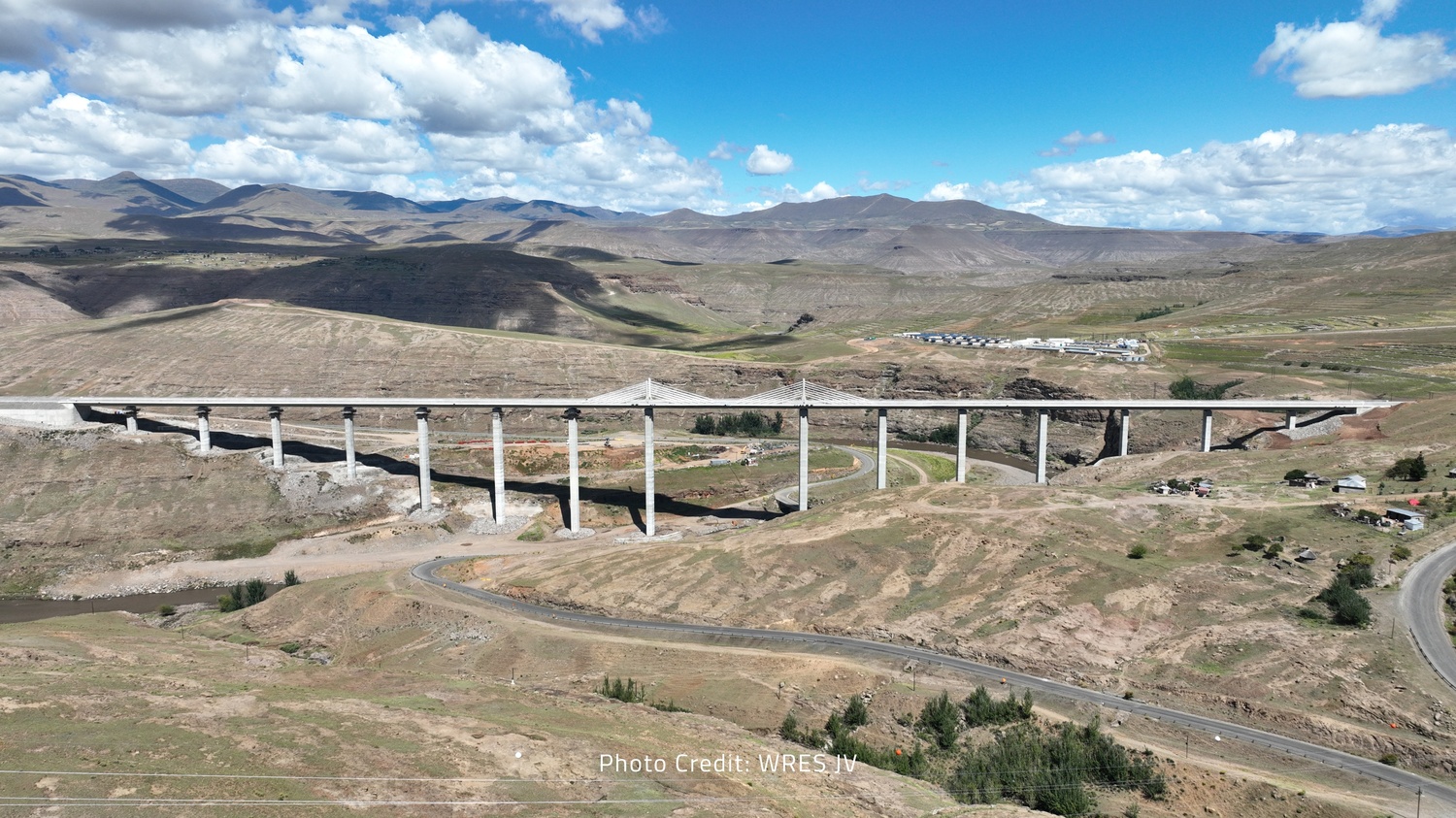
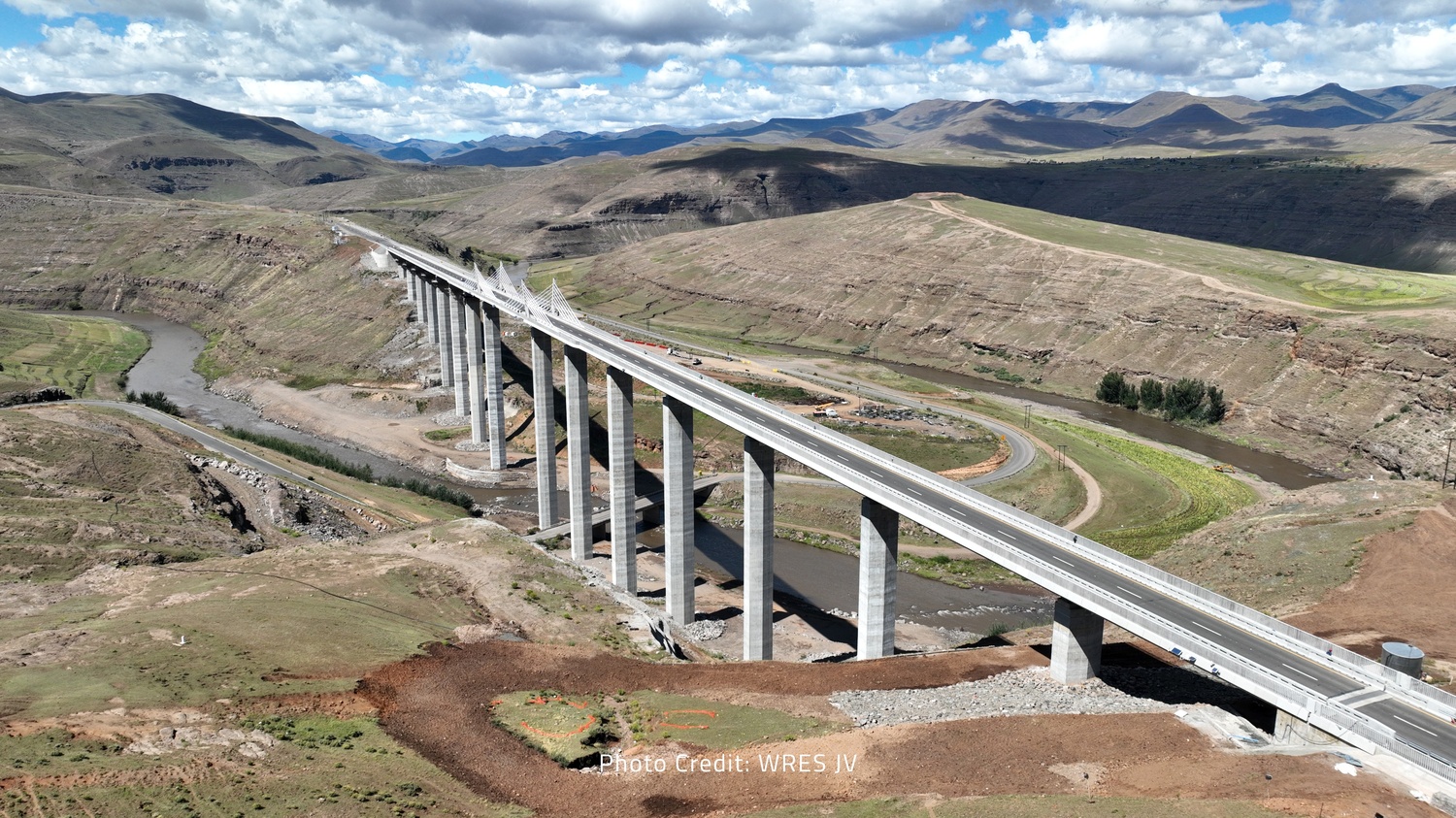
The solution lies in an impressive civil engineering project. Rising above what will become a giant reservoir, the recently completed 825-metre Senqu River Bridge now soars more than 90 metres above the valley floor, securing uninterrupted road access to north-eastern Lesotho, including the regional capital of Mokhotlong.
For local communities, regional road freight operators and fleet managers, the bridge will ensure continuous mobility, protect economic activity and sustain vital links as the Polihali reservoir floods the Senqu River Valley.
Multinational civil engineering consultancy Zutari (via its Africa and Lesotho offices) has played a leading role in the bridge’s design and construction supervision, working closely with Lesotho’s White Life Consultants and South Africa’s black-owned Leporogo Specialist Engineers.
The collaboration reflects a long-standing commitment to infrastructure development in Lesotho and a model for strategic engineering partnerships in Southern Africa.
Designed as an extradosed cable-stayed bridge, the structure was engineered to withstand extreme mountainous conditions, providing both stability and resilience in a challenging environment.
Engineering against the elements
Constructing a bridge of this scale in the Highlands demanded innovation and precision. Foundations were anchored directly into rock, while the deck was incrementally launched from both sides of the valley, with precast segments pushed outward until they met at mid-span.
This method allowed construction to proceed safely across the deep gorge while minimising environmental disruption. Work continued through harsh winter conditions, requiring round-the-clock supervision and close coordination between contractors, engineers and project authorities.
Louis Joubert, Resident Engineer on the project, states: “The Senqu Bridge reflects the engineering ambition behind the LHWP. Beyond the technical achievement, these structures carry real legacy value for Lesotho. As the Highlands landscape evolves, the bridges being built today will stand as enduring symbols of infrastructure excellence and the long-term impact of the project for communities across the region.”
Safeguarding national connectivity
Beyond its technical significance, the bridge is essential for maintaining regional access once the Polihali reservoir reaches full capacity. Sections of the old A1 will be submerged and the Senqu River Bridge will become the primary crossing, preserving the flow of goods, services and everyday travel.
The bridge is part of a broader infrastructure programme that underpins the LHWP Phase II, which aims to enhance regional water security while generating economic and tourism opportunities for Lesotho.
The project has also been an engine for capacity-building. Most of the bridge supervision team consists of Basotho engineers and young professionals who received mentorship throughout construction, developing skills that will support Lesotho’s infrastructure programmes for decades.
Long-Term regional impact
Tlhabeli Ralebitso, CEO of Zutari Africa, highlights the broader significance: “The LHWP stands as one of Africa’s most significant examples of infrastructure delivered through partnership and shared vision.
“The Senqu Bridge reflects not only engineering excellence, but also the long-term impact that infrastructure investment can have in strengthening regional water security and hydro-electric power generation, enabling economic growth and supporting communities.
“Zutari is proud to contribute our expertise to projects that help shape sustainable futures for Lesotho and Southern Africa.”
The bridge was officially opened this past Wednesday – April 22 – with South African President Cyril Ramaphosa joining His Majesty King Letsie III and the Rt Honourable Samuel Matekane, Prime Minister of the Kingdom of Lesotho, to officiate and co-launch the opening of the Senqu Bridge.
Editor’s comment: The Senqu River Bridge demonstrates how world-class engineering can turn geographical challenges into lasting advantage. Rising above a future reservoir, the structure ensures continuity for road freight, public transport and local communities while signalling the growing capability of SADC nations to deliver major infrastructure projects. While the Polihali reservoir will help to ensure regional water and energy security, the Senqu River Bridge spanning it will provide a lifeline for trade, mobility, tourism and long-term economic growth for Lesotho and her people. Well done Zutari and team!
Click on photographs to enlarge