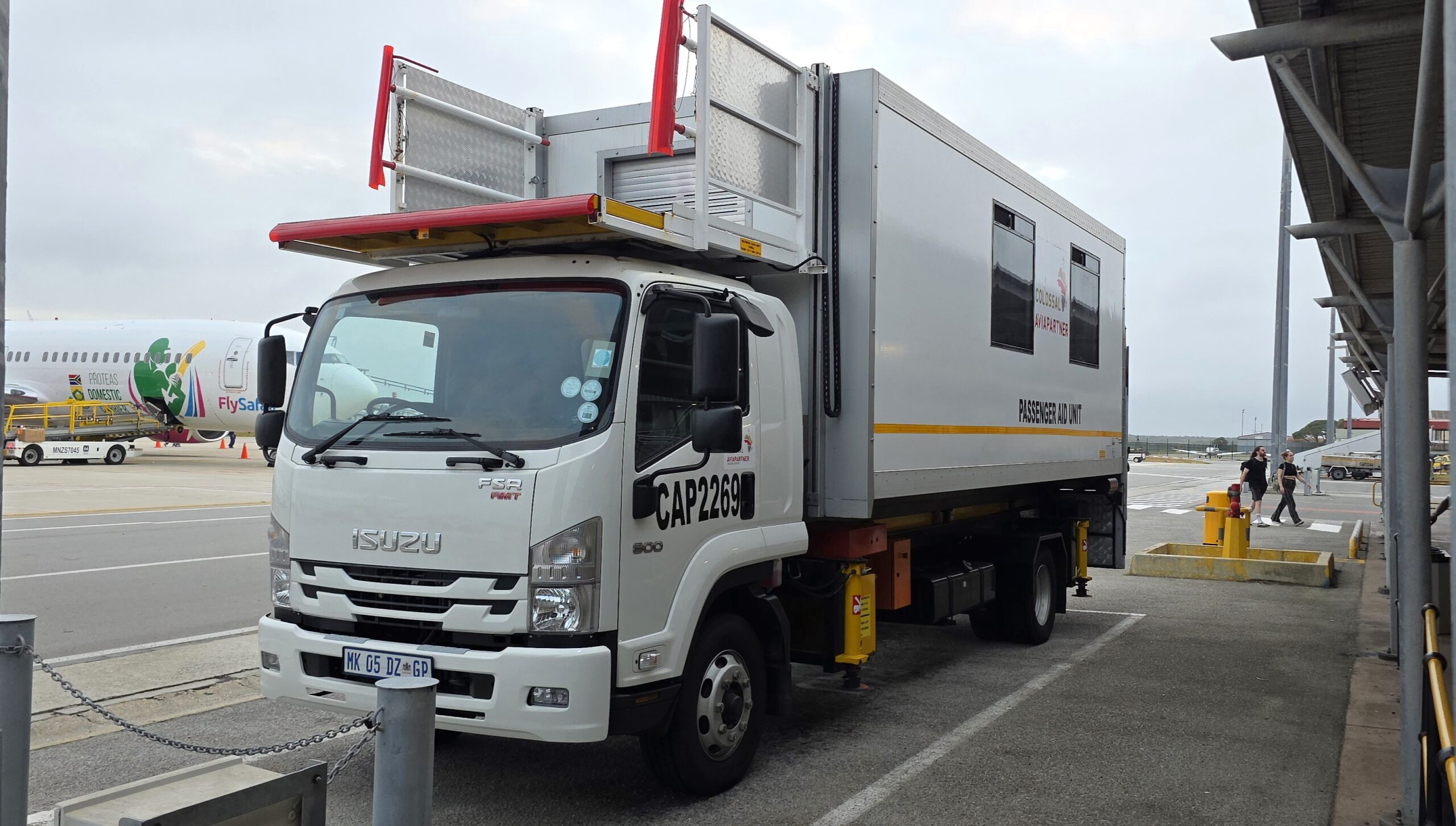
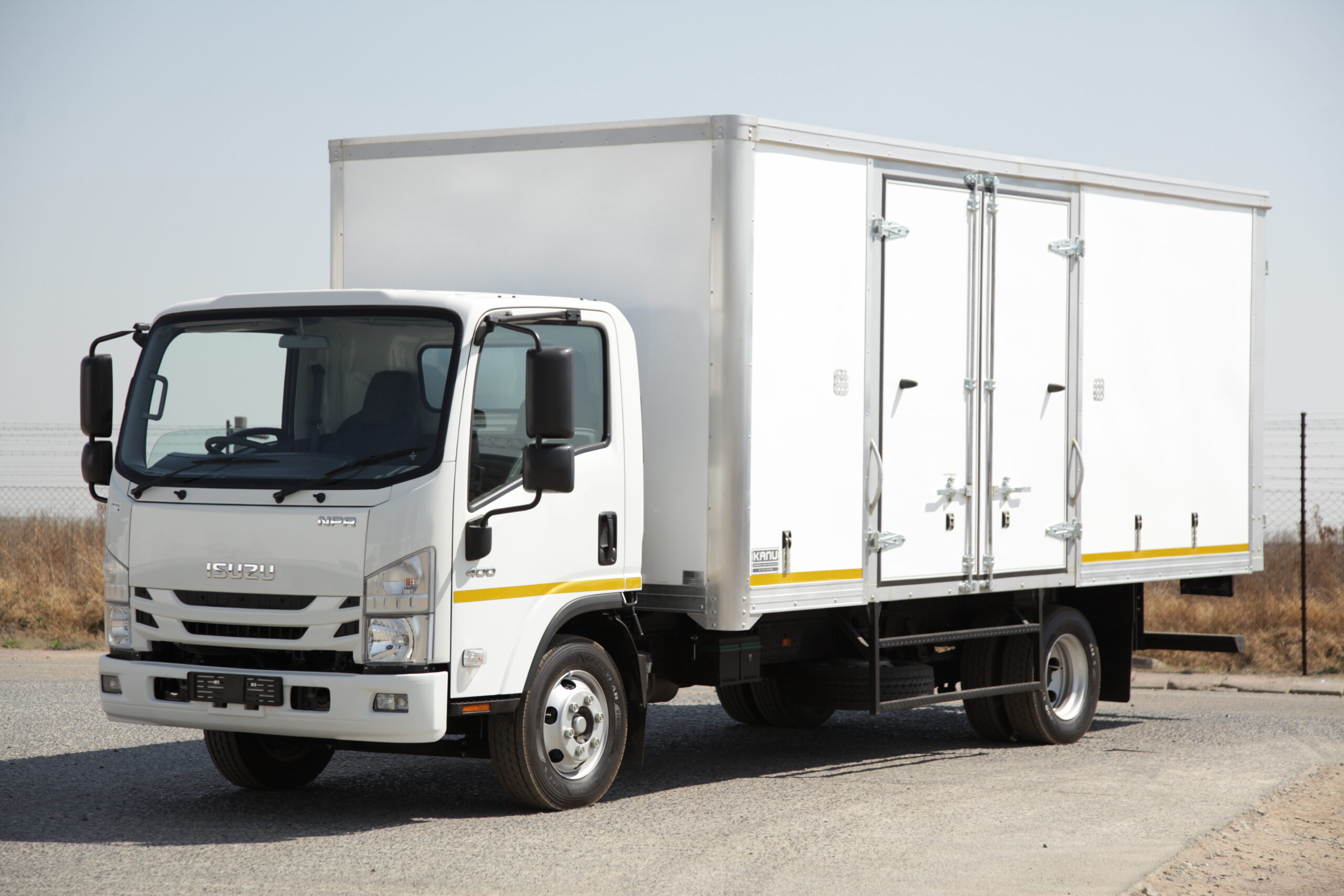
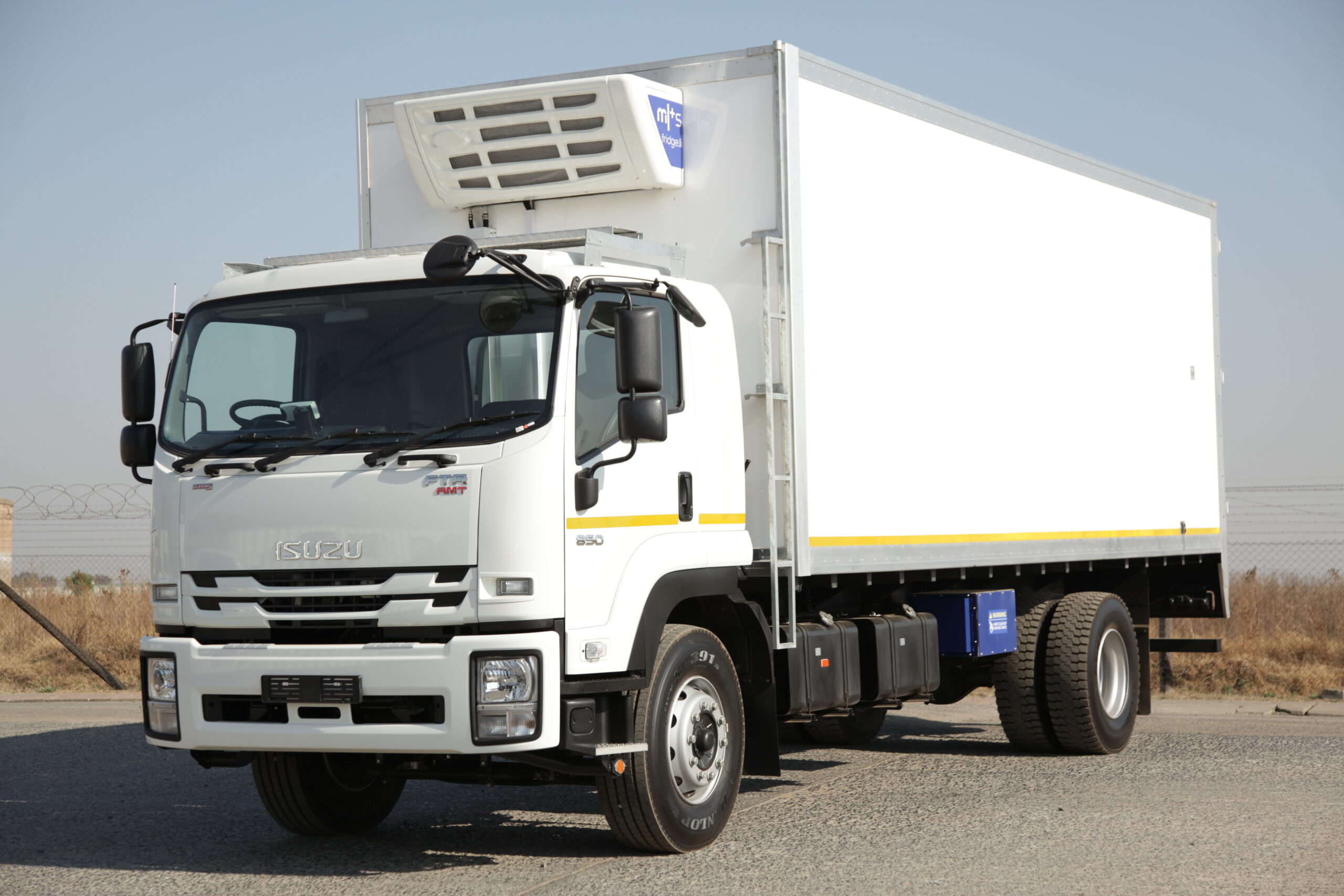
Market leadership in the South African truck sector is never accidental and rarely sustained for long. But there are exceptions. Isuzu Trucks has retained the leading position across the combined Medium Commercial Vehicle and Heavy Commercial Vehicle segments for 13 consecutive years.
In practical trucking terms, that degree of consistency points to vehicles that deliver predictable uptime, specifications that remain stable over long model cycles and an aftersales system capable of supporting trucks well beyond the point of sale. It is continuity, rather than novelty, that has underwritten Isuzu Trucks’ position at the top of its two market segments.
Thirteen years of measured dominance
For the calendar period from 7 January 2025 to 6 January 2026, Isuzu led the combined MCV and HCV cab-over-chassis market with a 26.8% share. This placed the brand 2.1 percentage points ahead of the second-ranked competitor and 7.0 percentage points ahead of the third-ranked competitor.
In a market characterised by tight margins and cautious capital investment, those gaps are significant. They suggest repeat purchasing decisions rather than opportunistic buying, with fleets continuing to specify the brand across multiple replacement cycles.
“This milestone is the result of deliberate product strategy, continuous engineering refinement and an unwavering focus on customer operating requirements,” says Craig Uren, Senior Vice President: Revenue Generation (SACU), Isuzu Motors South Africa.
“Over 13 years, we have consistently invested in reliable drivetrains, application-appropriate specifications and aftersales capability that supports customers throughout the full lifecycle of their vehicles. Engineering-led performance, designed for real-world operations.”
‘Solid’ before ‘shiny’
Isuzu’s sustained performance has been built less on disruptive model shifts and more on disciplined evolution. Core platforms have remained familiar to operators, technicians and drivers, while incremental improvements in powertrain efficiency, emissions management and durability have been introduced without destabilising proven architectures.
For fleet operators, this approach translates into predictable cost-per-kilometre outcomes, strong residual values and reduced training friction across a mixed-age vehicle parc.
Reliability and durability remain central, with vehicle designs intended to minimise downtime in demanding operating conditions rather than optimise headline specifications.
Fuel efficiency gains and locally relevant engineering solutions have been layered into this foundation, supported by a national parts and service network designed to keep vehicles operational throughout extended duty cycles.
Aftersales as a leadership differentiator
Beyond the product itself, Isuzu’s market position has been reinforced by a consistent aftersales strategy. Nationwide dealer coverage, technical training and diagnostic capability have played a critical role in supporting fleets once vehicles are in service.
Equally important has been the brand’s focus on application-appropriate specifications, allowing operators in logistics, construction and specialised applications to deploy vehicles aligned to real-world load profiles and operating environments.
Over time, this has shaped a partnership-led model in which Isuzu positions itself as a contributor to operational continuity rather than a transactional vehicle supplier.
Looking ahead
As Isuzu enters its fourteenth year of market leadership, the stated focus remains on refining technology, strengthening aftersales capability and delivering transport solutions that balance performance, efficiency and sustainability within a changing regulatory and economic landscape.
The company has also been explicit in recognising that sustained leadership is a shared outcome, underpinned by long-term customer relationships and a dealer network that supports the brand across South Africa.
“Thirteen years at number one has been made possible because of the customers who rely on Isuzu every day, and the dealers who bring the brand to life across the country. Because of you, Isuzu continues to lead,” Uren concludes.
Editor’s comment: Thirteen years at number one is no mean feat. In a sector where fleet managers value stability over experimentation, Isuzu’s success highlights the commercial value of continuity. Consistent engineering, disciplined product planning and dependable aftersales support may lack the shimmer of new high-tech truck rollout, but they certainly reduce operational risk while simultaneously boosting customer peace of mind. For South African fleets operating under pressure, those proven benefits from Isuzu are legitimately persuasive market differentiators. Congratulations Isuzu! Keep it up!
Click on photographs to enlarge