Environmental protection and sustainability are increasingly moving from the margins of the trucking industry to the centre of business decision-making. For meaningful progress to be achieved, however, sustainability cannot be confined to individual projects or corporate reporting – it needs to be embedded across the enterprise and reflected in the processes, technologies, supply chains and partnerships that underpin the broader transport ecosystem.
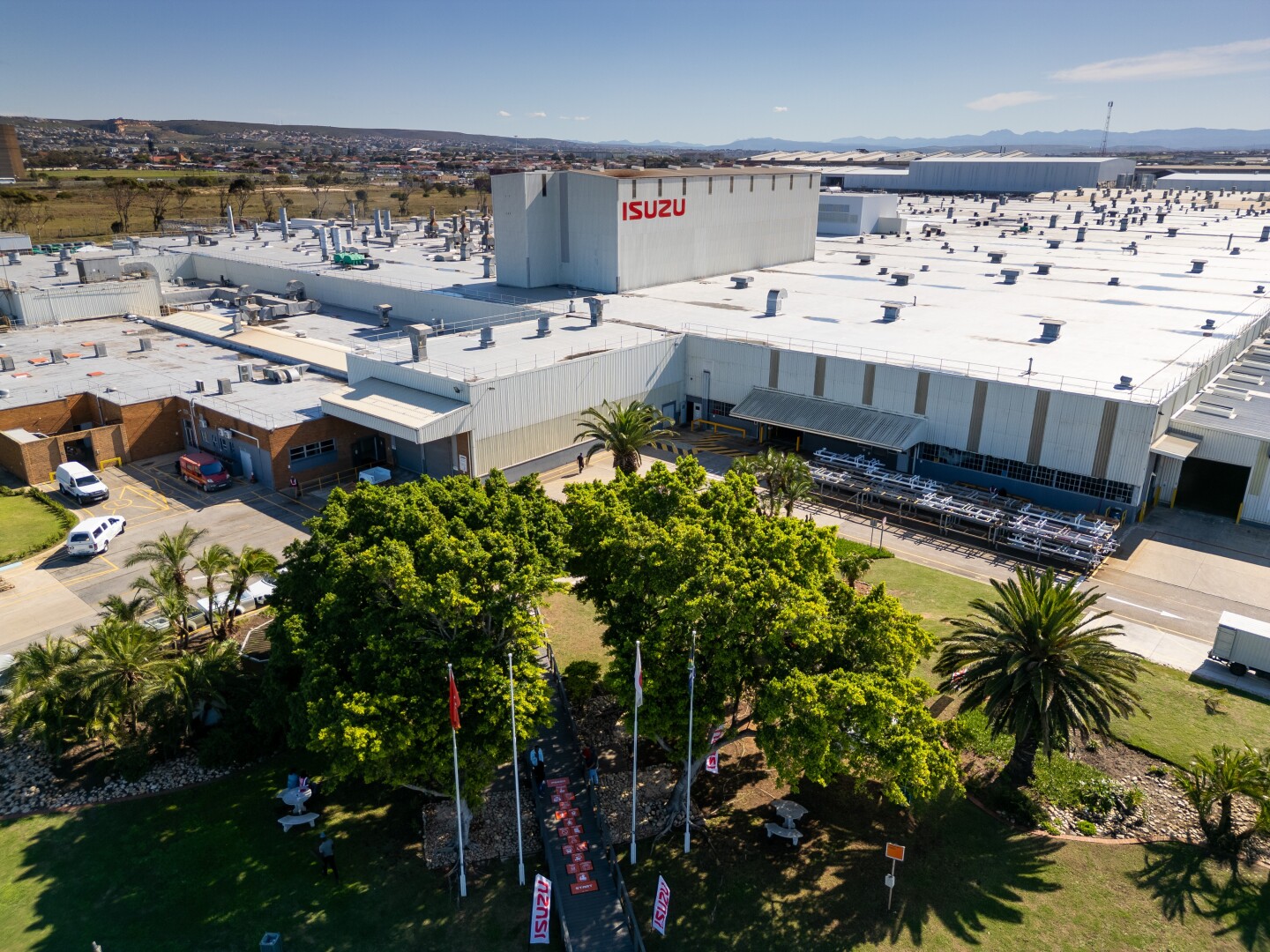
This is the approach highlighted in Isuzu Motors South Africa’s (IMSAf) 2026 Sustainability Report, which documents measurable progress in environmental performance while linking sustainability to manufacturing, cleaner mobility, skills development, supplier localisation and operational efficiency.
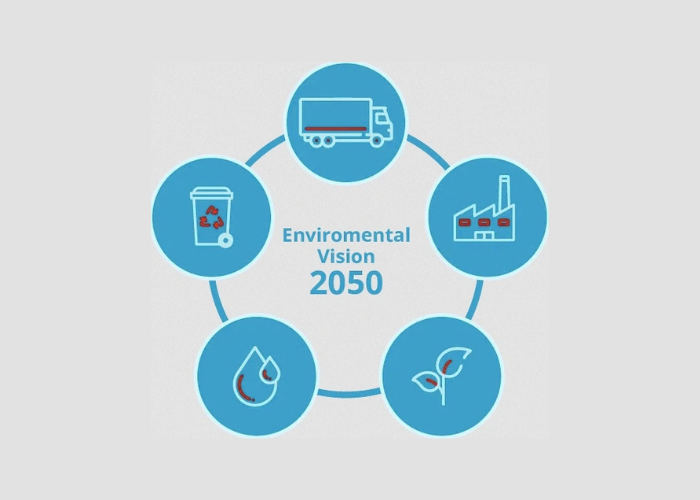
The report tracks IMSAf’s progress against the Isuzu Environmental Vision 2050 and demonstrates how environmental and social considerations are being incorporated into day-to-day business operations.
Measurable environmental progress
IMSAf reports a 38% reduction in carbon emissions against its 2013 baseline, achieved despite continued production growth. Water efficiency improved by 8.05%, while the company maintained its Zero Waste to Landfill status for the ninth consecutive year.
A total of 95% of operational waste was diverted through recycling and responsible resource management initiatives, demonstrating how environmental performance can be addressed through changes to routine manufacturing processes rather than treated as a separate sustainability exercise.
Cleaner mobility remains a priority
The environmental challenge extends beyond the factory gate, with vehicle emissions remaining a critical consideration for the road freight industry.
IMSAf continues to offer Compressed Natural Gas (CNG) trucks and dual-fuel CNG/Diesel technology in South Africa as part of its lower-emission mobility portfolio. The company has also established a dedicated Clean Technology and Engineering Trial Unit to evaluate and develop next-generation lower-emission mobility solutions.
For the trucking industry, the significance lies in the broader principle: the transition towards lower-carbon transport requires manufacturers, fleet operators, infrastructure providers and other value-chain participants to work towards practical solutions that balance environmental objectives with operational and commercial realities.
Sustainability extends to people
IMSAf’s sustainability programme also incorporates social and economic development. Since 2019, the company has invested R51.49-million in youth development programmes, developing 554 young people through its Youth Employment Service (YES) and Graduate-in-Training (GIT) programmes.
These initiatives have created 132 permanent employment opportunities, while the GIT programme achieved a 69.2% permanent employment absorption rate, highlighting the importance of skills development in creating pathways from education into sustainable employment.
Building a stronger local supply chain
Sustainability also has an economic and supply-chain dimension. During the reporting period, IMSAf invested R510-million in supplier development and tooling, developed 729 vendor tools and localised 250 components for the new Isuzu D-Max.
Supply-chain optimisation initiatives reduced logistics-related carbon emissions by 500 tonnes of CO₂, while seven emerging suppliers were incubated as part of the company’s shared-value approach across its manufacturing ecosystem.
These initiatives illustrate how environmental gains can be linked to localisation, supplier development and supply-chain resilience rather than being pursued in isolation.
Sustainability as a business imperative
Billy Tom, President of Isuzu Motors South Africa, says sustainability needs to be regarded as an integral part of business rather than a separate corporate initiative:
“Our Sustainability Report reflects the progress we are making to build a business that delivers value beyond manufacturing vehicles. It demonstrates how we are reducing our environmental impact, investing in future talent, strengthening local supplier capability and creating opportunities that contribute to South Africa’s long-term economic growth.
“Sustainability is embedded in the way we operate because we recognise that the success of our business is closely linked to the success of our people, our communities and the environment.”
Tom also stresses the importance of collaboration across the value chain. “Building a sustainable future requires strong partnerships across our value chain. Whether we are working with suppliers to strengthen local manufacturing, investing in young people through education and skills development, or collaborating with communities to create shared value, our focus remains on creating lasting impact that benefits future generations,” he says.
Data driving better decisions
The report also points to the growing importance of accurate sustainability data in managing environmental performance. During the reporting period, IMSAf invested more than R1.3-million in a sustainability data management system designed to improve reporting accuracy and environmental performance monitoring.
Improved data oversight enabled the business to avoid more than R500 000 in unnecessary utility costs through proactive intervention and better control of consumption.
The example reinforces an increasingly important point for the transport sector: sustainability and efficiency are often closely connected. Measuring resource consumption, emissions and operational performance more accurately can identify both environmental improvements and opportunities to reduce costs.
The publication of the 2026 Sustainability Report marks another milestone in IMSAf’s journey towards the Isuzu Environmental Vision 2050. More broadly, it reflects the direction in which responsible business is moving across the trucking industry – towards sustainability being integrated into manufacturing, vehicle technology, supply chains, workforce development and operational decision-making.
Editor’s comment: IMSAF’s 2026 Sustainability Report is a blueprint for the trucking industry as a whole, with an implicit challenge to OEMs and operators to move beyond viewing environmental protection as a discrete corporate responsibility and instead make it part of every business process that contributes to the movement of goods. Well done Isuzu!
Click on photographs to enlarge