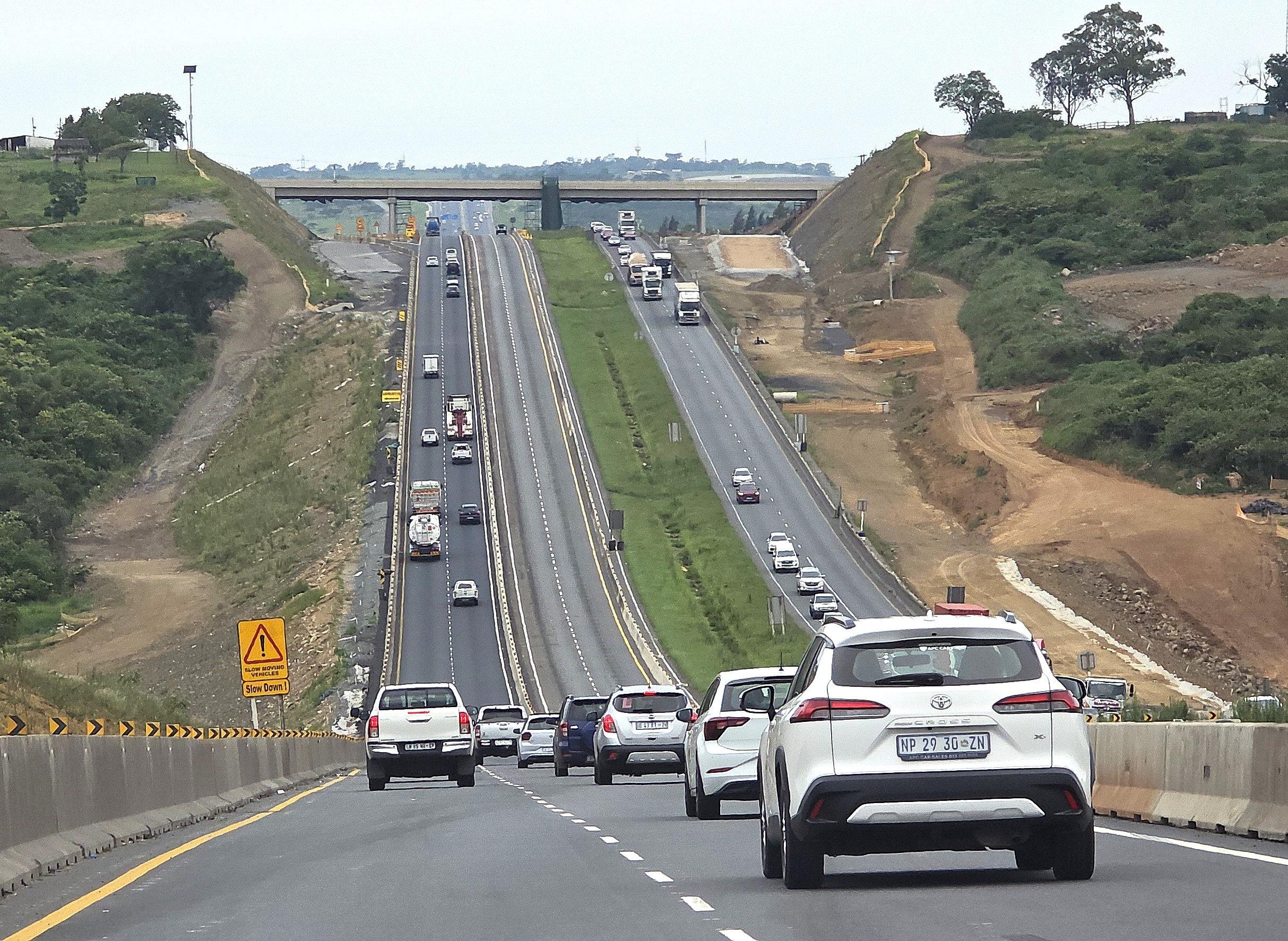
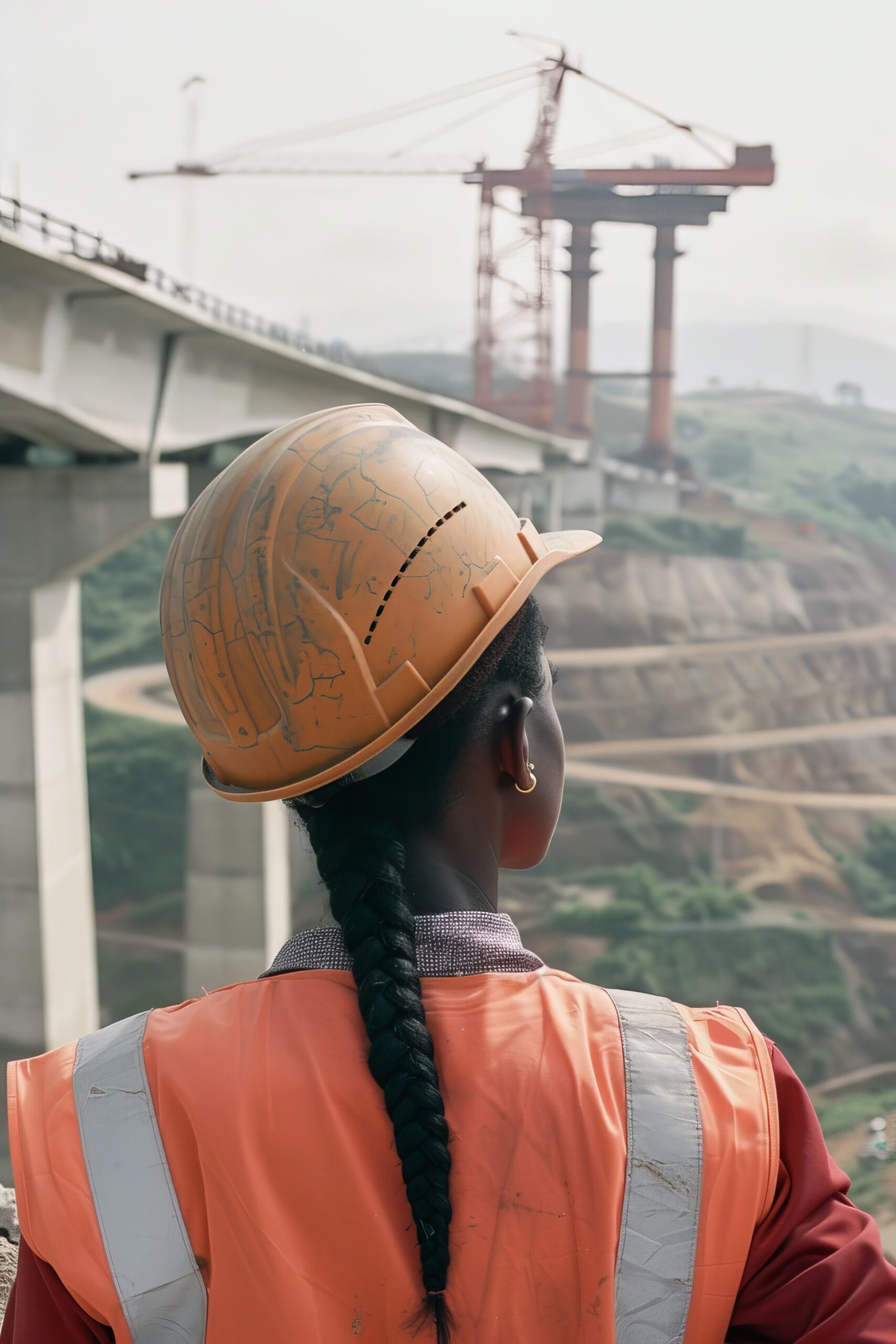
Across Africa, the signals are becoming harder to ignore. Roads are extending between economic nodes, rail corridors are reconnecting regions, power infrastructure is being stabilised and digital systems are reshaping how services are delivered. Together, these developments point to a continent placing infrastructure firmly at the center of its economic strategy.
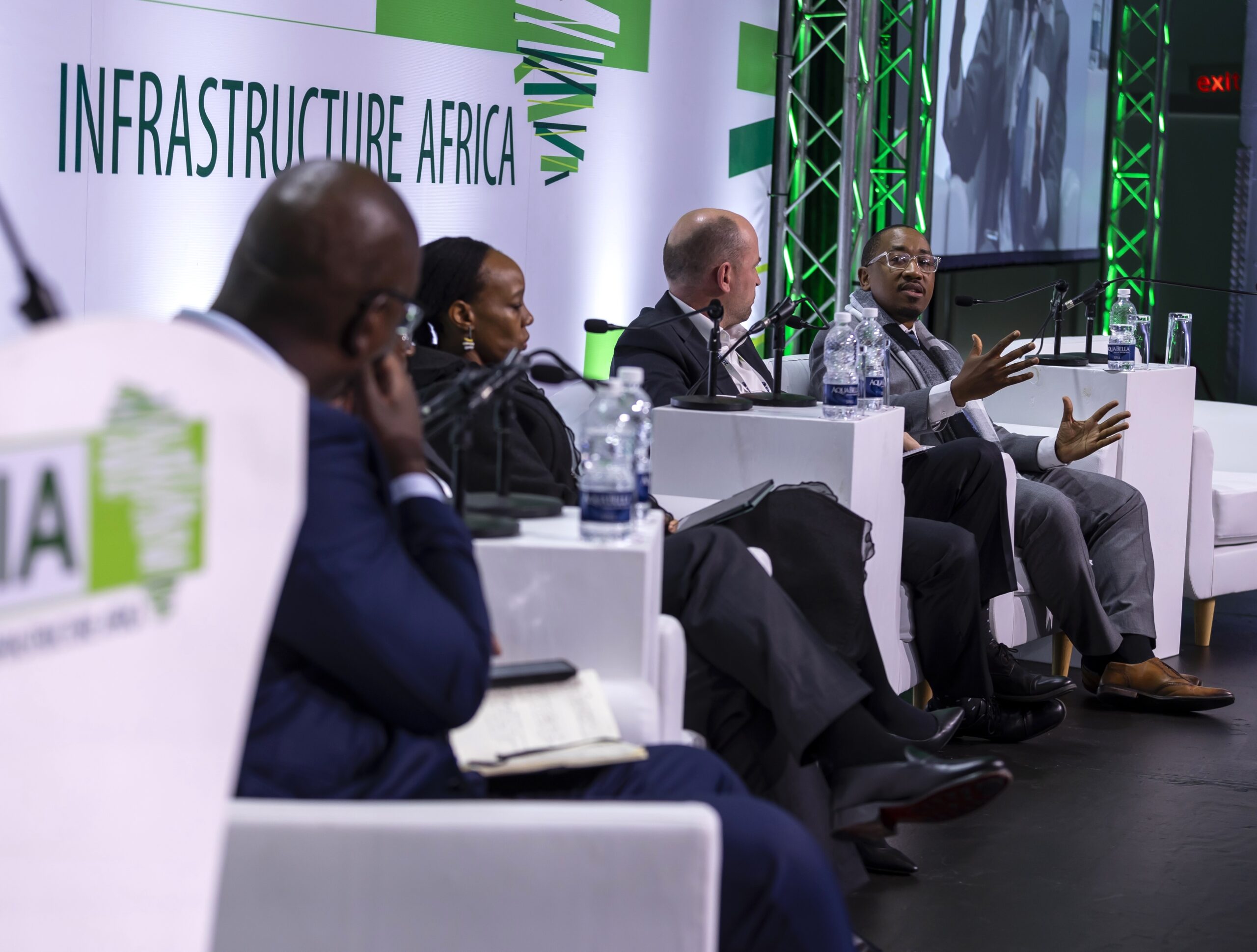
This momentum underpins Infrastructure Africa, a pan-African platform being held at the Cape Town International Convention Centre on 2 – 3 March 2026, focused on advancing infrastructure investment, partnerships and delivery. As urbanisation accelerates and industrial ambitions expand, infrastructure is no longer viewed simply as a development enabler, but as a prerequisite for competitiveness, resilience and long-term growth.
Infrastructure as a foundation for economic performance
Africa’s infrastructure gap remains significant, constraining productivity, regional trade and industrial development. At the same time, it represents a sizeable opportunity. Well-targeted investment in transport corridors, ports, rail, power, water and digital networks has the potential to unlock efficiency gains, strengthen cross-border integration and support inclusive economic activity.
For logistics, freight and mobility sectors, infrastructure performance directly influences cost structures, reliability and market access. Roads and rail networks determine corridor competitiveness, ports shape trade flows and energy infrastructure underpins every stage of the supply chain.
Infrastructure Africa positions itself as a convening platform where governments, investors, development finance institutions, engineering firms and technology providers engage on how these systems can be financed, delivered and sustained at scale.
Aligning infrastructure and energy delivery
One of the platform’s defining features is its co-location with Africa Energy Indaba, reflecting the interdependence between infrastructure and energy systems. Transport networks require reliable power, industrial zones depend on energy security and digital infrastructure is ineffective without stable electricity supply.
By aligning infrastructure and energy stakeholders in a single environment, the platform mirrors the operational reality facing project developers and investors. Energy generation, grids, gas infrastructure and renewables are increasingly viewed as integrated components of broader infrastructure programmes rather than standalone assets.
This convergence is particularly relevant as African economies seek to balance energy transition objectives with the immediate need for reliable, affordable power to support logistics, manufacturing and trade.
From ambition to execution
While infrastructure ambition across the continent is clear, execution remains uneven. Project preparation, risk allocation, regulatory certainty and bankability continue to present challenges, particularly where public balance sheets are constrained.
Infrastructure Africa addresses these issues by facilitating dialogue around public-private partnerships, blended finance structures, regulatory reform and project readiness. The emphasis is on translating policy intent into investable pipelines and aligning public priorities with private capital requirements.
The focus extends beyond asset delivery to long-term performance, sustainability and resilience, recognising that infrastructure outcomes are measured over decades rather than project cycles.
Infrastructure with a social and economic mandate
Beyond economic metrics, infrastructure investment carries a social dimension. Access to transport, energy, water and digital connectivity directly affects service delivery, employment and quality of life. Infrastructure Africa places emphasis on solutions that support inclusive growth, climate resilience and long-term value creation.
For governments and investors alike, this dual mandate – economic efficiency and social impact – is increasingly shaping how projects are designed, financed and evaluated.
A platform for coordination in a complex environment
As Africa navigates global uncertainty, shifting trade patterns and rising infrastructure demand, coordination across sectors and borders is becoming more important. Infrastructure Africa positions itself as a neutral platform where stakeholders engage on practical delivery challenges rather than broad policy statements.
In doing so, it reflects a growing recognition that infrastructure-led growth will depend less on vision statements and more on execution discipline, collaboration and credible project pipelines.
Editor’s comment: Infrastructure has long been identified as a primary driver of Africa’s economic growth. What is changing is the emphasis on delivery. Platforms such as Infrastructure Africa matter not because they celebrate ambition, but because they bring together the actors responsible for turning plans into operating assets. For logistics, freight and mobility sectors, the payoff will be measured in corridor efficiency, port performance and energy reliability. If the focus remains on bankable projects, transparent partnerships and execution discipline, infrastructure can move from promise to performance – and that is where real economic value is created.
Click on photographs to enlarge