The development of new truck technologies is only as good as the real-world testing that proves them safe, reliable and efficient. Before new systems reach the market, manufacturers need to put vehicles and technologies through demanding, repeatable tests under controlled conditions to ensure they perform as intended. Scania has strengthened this capability with the inauguration of a new R&D proving ground in Södertälje, Sweden, representing an investment of approximately SEK 975 million (± R1.63 billion).
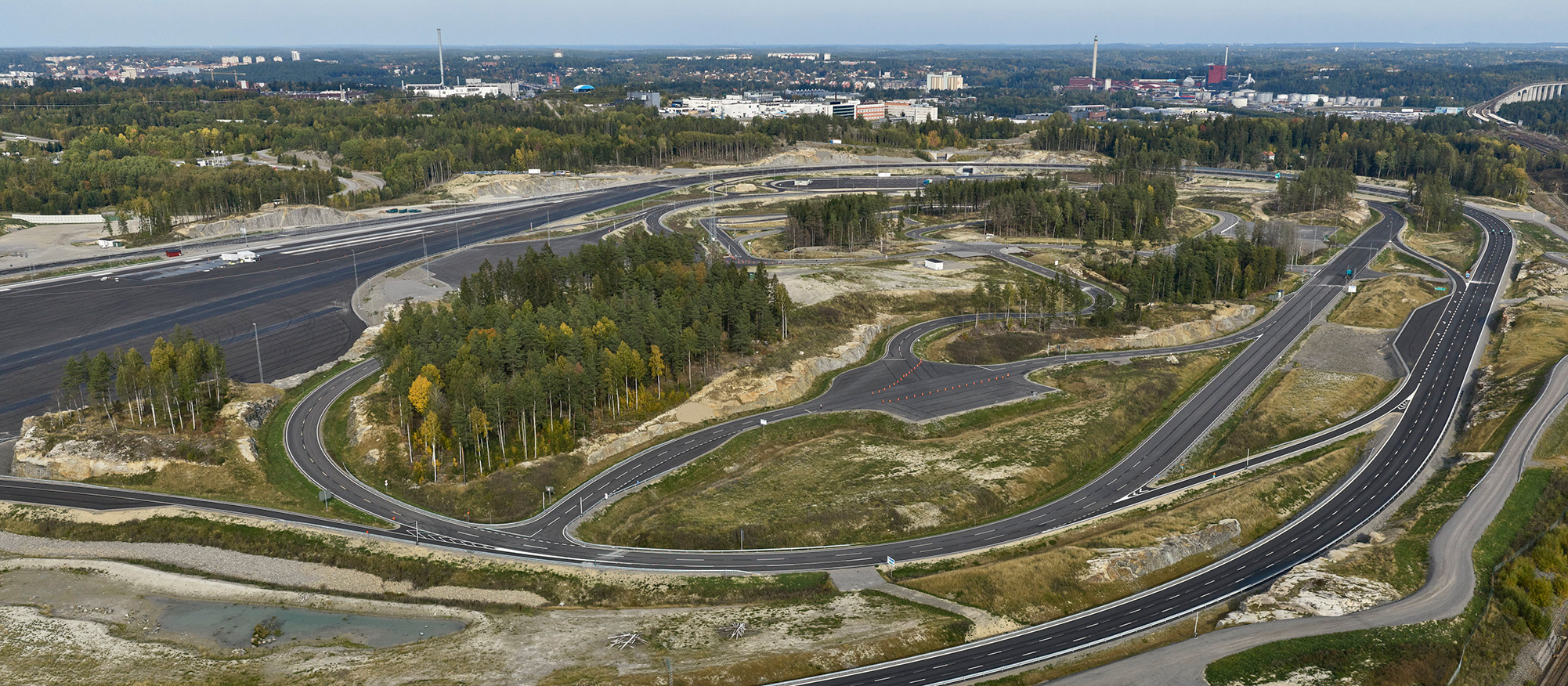
The 85-hectare facility adds significantly to the TRATON GROUP’s research and development capabilities, providing dedicated infrastructure to develop, test and validate future transport solutions across electrification, autonomous systems, vehicle safety, vehicle dynamics and conventional technologies.
“This investment is about building the capabilities we need for the future while ensuring that the solutions we bring to our customers have the safety, quality and performance they expect,” says Christian Levin, President and CEO of TRATON GROUP and Scania.
Testing under realistic conditions
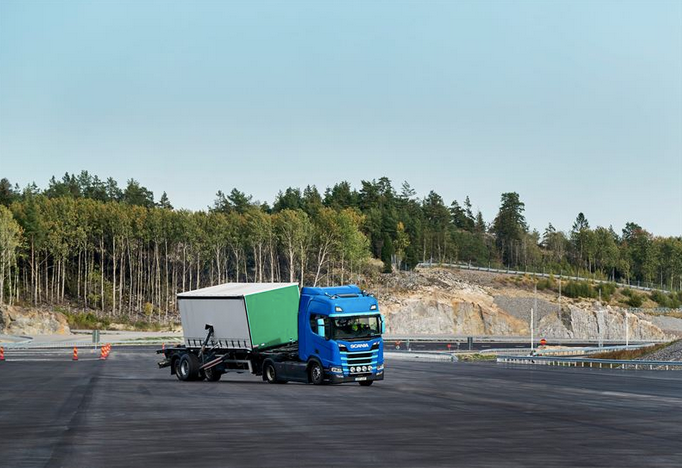
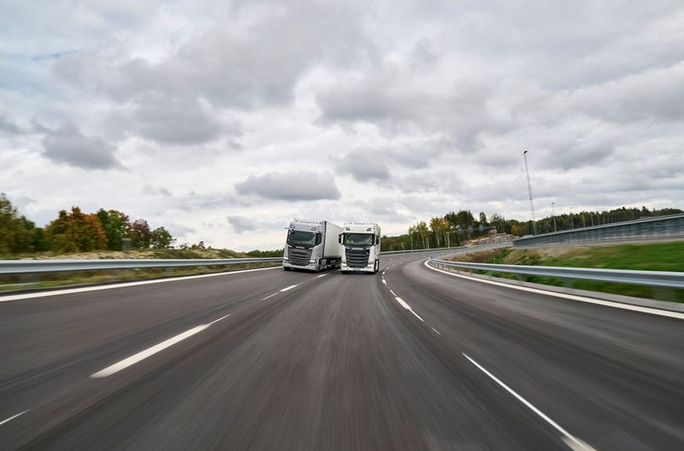
Inaugurated last month, the proving ground opened in a fitting way with vehicles taking to the test tracks rather than a traditional ribbon-cutting ceremony. The vehicles represented the range of technologies and applications the facility is designed to accommodate.
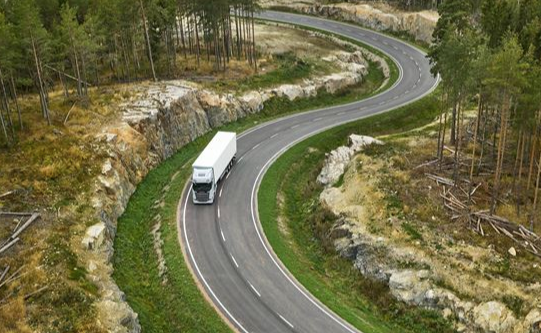
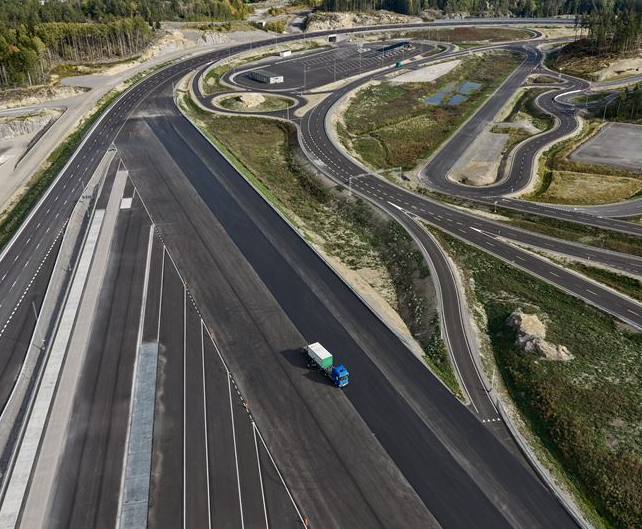
Its 13 kilometres of paved roads and four kilometres of gravel roads allow Scania engineers to conduct tests previously requiring external facilities. Large purpose-built surfaces support vehicle-dynamics testing, while dedicated areas can be configured for active safety and autonomous-driving scenarios of varying complexity.
“New technology only creates value when it performs in the real world. The R&D proving ground gives our engineers greater possibilities to test, learn and validate solutions under demanding conditions. It strengthens our ability to turn innovation into solutions that deliver real value for our customers,” says Sara Forsberg, CTO and Head of Brand Identity Development at Scania.
Dedicated facilities for safety development
A significant feature of the new proving ground is its provision for testing vehicle braking and active safety systems. Three irrigated braking tracks have different friction characteristics, using asphalt, concrete and basalt tiles. These allow engineers to assess braking performance where the two sides of a vehicle encounter different levels of grip. The basalt section also incorporates a curve, enabling braking tests while cornering.
The facility provides a flexible environment for evaluating advanced driver assistance systems, including automatic emergency braking, lane support and blind-spot warning.
For autonomous transport development, engineers can construct realistic traffic scenarios and progressively increase their complexity, allowing systems to be evaluated against a range of conditions before deployment.
Repeatability is key
Consistency is another important consideration in vehicle development. The proving ground’s paving specification has been designed for long service life and the surface evenness required to produce comparable test results over time, including on banked curves. With gradients of up to 22%, the oval-shaped track creates the experience of driving along a straight, seemingly endless highway.
The facility also strengthens the wider research and development resources available across the TRATON GROUP. “Advanced testing and validation capabilities become increasingly necessary as we develop the next generation of transport solutions. The R&D Proving Ground is an important addition to our landscape and strengthens our ability to turn new technologies into proven solutions,” says Niklas Klingenberg, Head of Group R&D at TRATON GROUP.
Environmental considerations
Biodiversity and the natural environment were also considered in the site’s design. Construction focused on reducing resource consumption and environmental impact, with measures including the use of ECO asphalt and HVO100 renewable fuel for transport operations. These choices helped avoid approximately 30 900 tons of CO₂-equivalent emissions during the construction project.
R&D proving ground at a glance
-
Location: Södertälje, Sweden
-
Investment: Approximately SEK 975 million
-
Total area: 85 hectares (850 000 m²)
-
Paved roads: 13 km
-
Gravel roads: 4 km
-
Paved test surfaces: 230 000 m²
-
Gravel surfaces: 54 000 m²
-
Purpose: Development, testing and validation of future transport solutions
-
Technology areas: Electrification, autonomous systems, safety, vehicle dynamics and conventional technologies.
Editor’s Comment: Scania has long been at the forefront of commercial vehicle innovation, consistently pushing the boundaries of truck technology, safety and efficiency. This new proving ground is more than an impressive investment in infrastructure; it is an investment in the next generation of transport solutions. By giving its engineers the space and resources to challenge, refine and validate emerging technologies, Scania is ensuring that its pioneering approach to innovation continues to translate into practical advances for the industry.
Click on photographs to enlarge