With South Africa’s logistics sector under pressure to modernise, expand capacity and improve efficiency, sustained multinational investment is emerging as a critical lever for growth. Global players bring not only capital but also operational expertise, technology and long-term investor confidence – all essential in strengthening the country’s position as a regional trade gateway. In this context, DHL Supply Chain has announced a R220-million investment in a new multi-user distribution centre in Johannesburg, reinforcing the strategic importance of foreign-backed infrastructure development in enabling supply chain resilience and economic expansion.
Investment aligned with national priorities
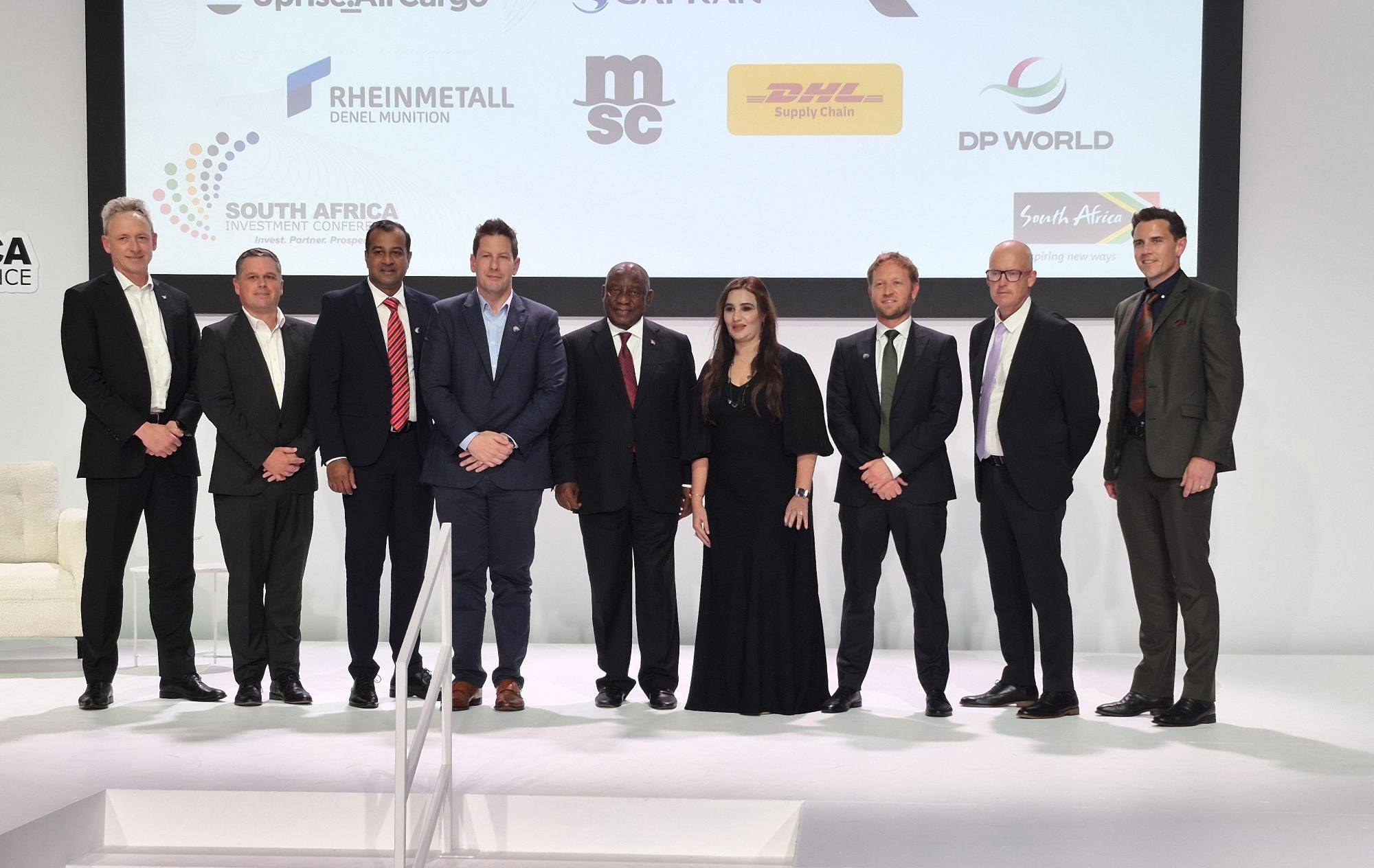
The project forms part of investment pledges made at the South Africa Investment Conference, a flagship initiative led by President Cyril Ramaphosa and the Presidency to mobilise both domestic and international capital.
The development underscores continued confidence in South Africa’s logistics landscape and highlights the role of public-private alignment in unlocking infrastructure growth.
The planned facility will involve the redevelopment of an existing site into a new greenfield distribution centre. Designed as a multi-user operation, it will primarily support the consumer goods sector, including FMCG, enabling both local and cross-border order fulfilment.
Construction is scheduled to commence in July 2026, with operations expected to begin in July 2027.
“This investment reflects our long-term confidence in South Africa as a strategic logistics hub and our commitment to expanding capacity in line with customer growth,” said Bremer Pauw, Chief Commercial Officer, Middle East and Africa, and Managing Director, Africa, DHL Supply Chain.
“In a market where customers are increasingly focused on reliability, speed and cost to serve, the right infrastructure helps remove friction and gives customers the confidence to scale. Its announcement at the South Africa Investment Conference reflects the long-term nature and scale of the investment.”
Capacity, jobs and sustainability focus
Beyond infrastructure, the project carries tangible socio-economic benefits. Approximately 70 jobs are expected to be supported during the construction phase, with around 90 permanent roles created once the facility becomes operational. This aligns with broader national priorities around employment creation and inclusive economic growth.
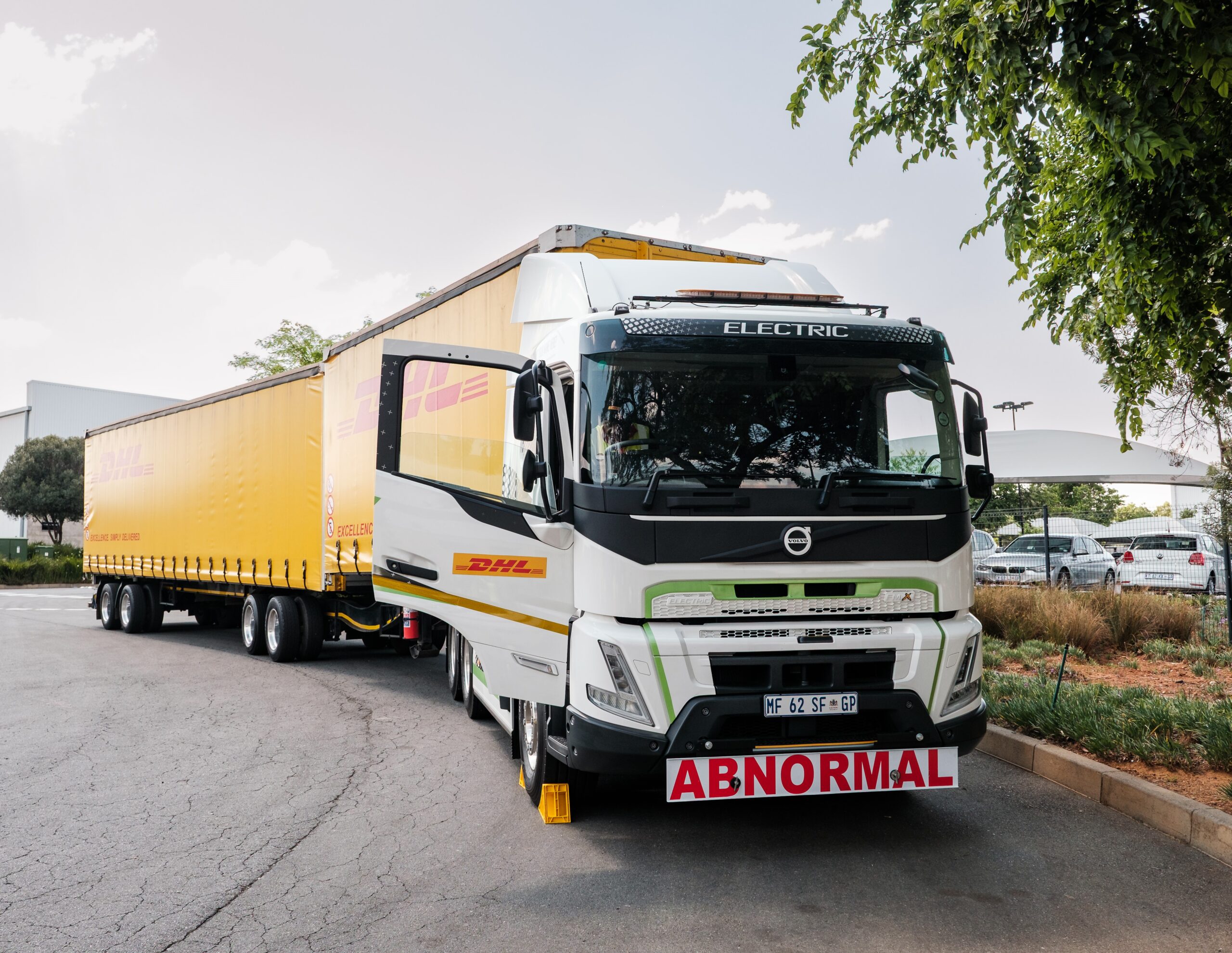
The facility will also reflect evolving sustainability standards within global logistics networks. It is set to be developed as a carbon neutral site with H-Advanced certification, incorporating modern material handling solutions such as electrically powered tow motors and equipment.
These features are expected to enhance operational efficiency while reducing environmental impact, positioning the facility as part of a new generation of future-ready logistics hubs.
Regional strategy reinforces South Africa’s gateway role
The Johannesburg, Gauteng investment forms part of a wider regional commitment by the DHL Group, which announced plans in 2025 to invest approximately €300-million (R5.8-billion) across Sub-Saharan Africa. The focus is on expanding logistics infrastructure and strengthening service capabilities across its divisions.
South Africa remains central to this strategy, given its status as the region’s most diversified economy and a key gateway for trade into and across the continent. Investments of this nature not only expand capacity for multinational clients but also create downstream opportunities for local suppliers, transport operators and small businesses integrated into broader supply chains.
Editor’s comment: In a constrained economic environment, announcements like this strike a positive note (especially these days with uncertainty around war-impacted energy prices and supply chain disruptions). Multinational investment into logistics infrastructure signals confidence in South Africa’s long-term prospects – and, crucially, helps address structural inefficiencies that have long hindered supply chain performance.
For fleet operators, distributors and freight stakeholders, the expansion of modern, scalable warehousing is more than a property development story – it is a step toward faster turnarounds, improved reliability and a more competitive logistics ecosystem.
Click on photographs to enlarge