As fleet operators and delivery businesses search for ways to reduce fuel costs and emissions in increasingly congested metropolitan areas, Liquefied Petroleum Gas (LPG) Autogas is emerging as a practical bridge between conventional petrol vehicles and full electrification.
For last-mile delivery fleets in particular, dual-fuel technology offers a lower-emissions alternative that can be implemented today without the cost or infrastructure challenges associated with battery electric vehicles.
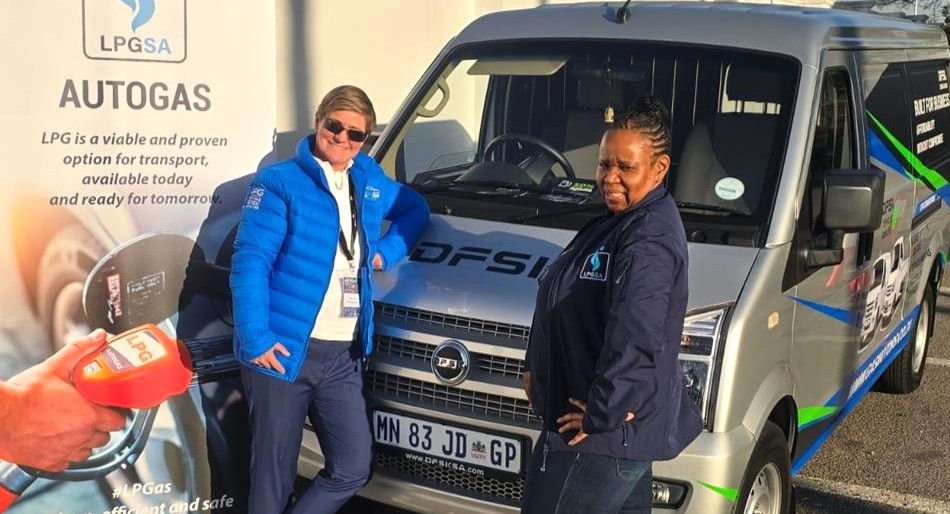
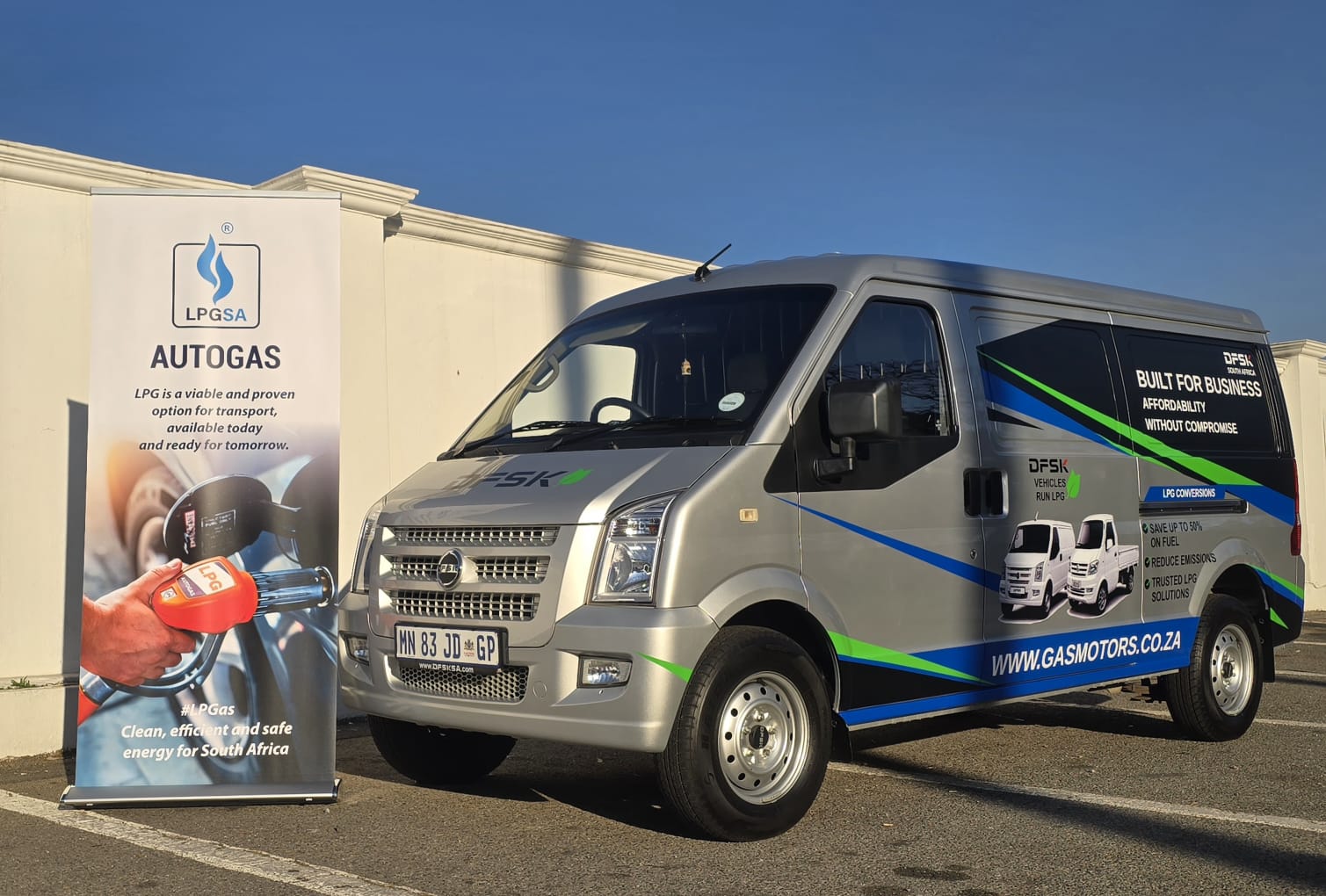
Offering an accessible drive alternative, DFSK South Africa has reinforced its commitment to cleaner, more affordable transport by participating in South Africa’s inaugural dedicated Autogas Workshop, while becoming the country’s first vehicle manufacturer to publicly approve LPG Autogas conversions across its petrol vehicle range.
A practical and clean solution to improve operating costs
Hosted by the Liquefied Petroleum Gas Association of South Africa (LPGSA) in association with the Retail Motor Industry Organisation (RMI), and supported by the World Liquid Gas Association, the workshop brought together industry stakeholders to discuss the safe and sustainable development of Autogas in South Africa.
DFSK South Africa received recognition from LPGSA managing director Gadibolae “Gadi” Dihlabi during the event, marking an important milestone for the brand’s growing commitment to alternative fuels.
DFSK’s approved dual-fuel system enables vehicles to operate on either petrol or LPG, providing operators with the flexibility to switch between fuels depending on availability and operating costs.
“I was impressed to see the progress Autogas is making in South Africa and encouraged by the commitment shown across the industry,” said Gina Giani, CEO of DFSK South Africa.
Real-world operations already showing positive savings
Giani stated that customers who have already completed LPG conversions have reported positive experiences with both vehicle performance and fuel savings. These real-world experiences will form part of DFSK’s LPG awareness campaign as interest in alternative fuels continues to grow.
“We are proud to stand behind this technology,” concluded Giani. “Our customers’ experiences show that LPG is not simply a future concept. It is a practical solution that can help South African businesses reduce their operating costs today.”
Editor’s comment: For urban delivery fleets, every cent saved on fuel improves margins in a highly competitive market. While battery-electric vehicles remain the long-term destination for many operators, LPG Autogas provides an immediately available lower-emissions option that requires far less investment in charging infrastructure. As cities continue to prioritise cleaner air and more sustainable logistics, technologies that can reduce operating costs while lowering emissions are likely to find an increasingly important role in South Africa’s evolving last-mile transport landscape.
Click on photographs to enlarge