South Africa’s jobs crisis makes the emergence of new industries and career opportunities particularly significant. Electric mobility is often discussed in terms of vehicle technology, infrastructure and the transition away from fossil fuels. However, there is another important dimension: jobs. Electric vehicles is a growth area offering young people potential career paths well beyond traditional commercial transport, engineering and vehicle maintenance, spanning a broad spectrum of new-tech disciplines.
In this opinion article, Ndia Magadagela, Co-Founder and CEO of Everlectric, explores the skills and qualifications needed to enter the sector, the importance of vocational training and practical workplace experience, and why employers must play a more active role in developing the local expertise needed to support South Africa’s growing electric vehicle industry. Hit the START button, Ms. Magadagela…
You don’t have to be an engineer
Engineering and vehicle maintenance are probably the first careers that come to mind when young South Africans think about electric mobility. However, the work involved in putting electric vehicles on the road is much broader, creating opportunities for people interested in finance, technology, logistics and business.
It is worth exploring even if working on cars (and trucks – editor) has never been part of your career plan.
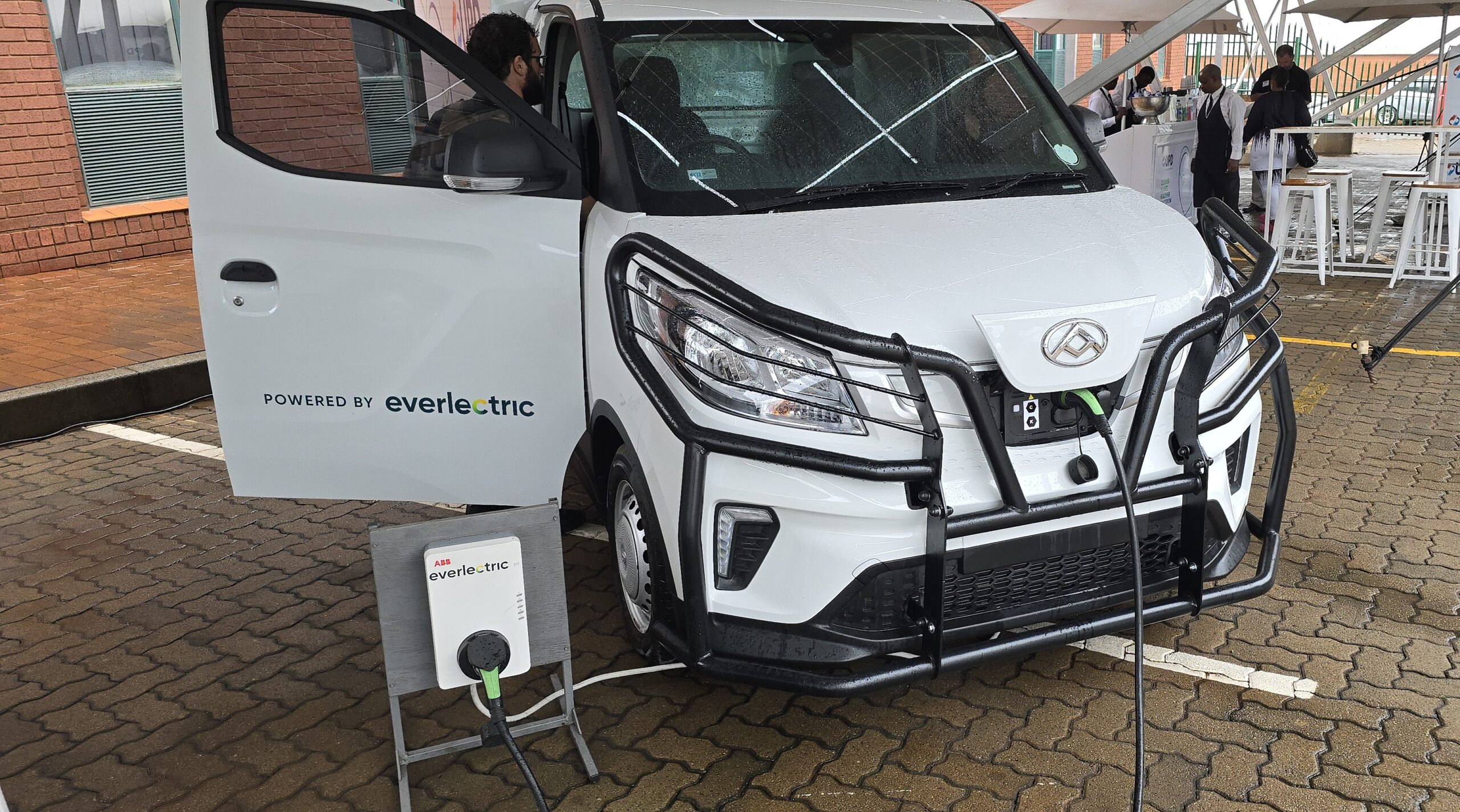
Think about what it takes to run an electric delivery fleet. The vehicles need servicing, chargers need maintenance and someone must calculate what electricity and routes cost the business.
At Everlectric, this involves technicians, analysts, operations staff and customer-facing roles. As the industry develops, battery recycling and second-life battery applications could also create new career opportunities.
What to study at school and beyond
For learners interested in the technical side, I strongly recommend Mathematics and Physical Sciences. Information Technology, Computer Applications Technology and Engineering Graphics and Design can also give you a useful starting point, depending on the career you have in mind.
From there, electrical or mechatronic engineering could lead towards work on vehicle systems and charging equipment. Mechanical and industrial engineering also play a role, while computer science and data science support the software and information modern fleets rely on.
Qualifications in accounting, finance and supply chain management also matter. A company deciding whether to electrify its delivery fleet needs a clear picture of the costs and what a switch would mean for the operation.
I have seen in my own work how valuable commercial judgement is when people make decisions about unfamiliar technology. Choose a field that suits your strengths and stay interested in how it connects to the rest of the industry.
Take vocational training seriously
South Africa needs people who can work safely with high-voltage electrical systems, diagnose battery problems and maintain charging equipment. These are areas where developing local skills will be increasingly important. If we bring in the vehicles without training South Africans to maintain them, we risk becoming dependent on overseas expertise.
TVET colleges, apprenticeships and learnerships offer routes into technical work for young people who may not go to university. Existing mechanics and artisans should also have opportunities to develop new skills as the vehicles they work on change. That training needs to involve real equipment and proper safety procedures.
Experience with conventional vehicle maintenance does not automatically prepare someone to diagnose a high-voltage fault or work on a charging installation. Employers need to be involved here.
Training institutions cannot be expected to guess which technical capabilities a workshop or charging site will need. The people operating these systems should help shape courses and provide on-the-job learning opportunities.
Get close to the work
I would encourage students to approach employers while they are still studying. Ask an EV business or a charging company whether you can spend time observing how the operation works. Try a vacation placement with a logistics company. Even a short period of workplace exposure can help you understand the skills and responsibilities each role requires.
A student interested in coding could try building a small route-planning or energy-use project. Someone studying finance could compare the lifetime costs of an electric delivery van with a diesel equivalent, making the assumptions clear. Even simple projects like these give you practice working through the sorts of problems businesses face.
I would also pay attention to the challenges particular to South Africa. Charging access, energy supply and affordability influence how people and companies use these vehicles. Young people who understand these conditions could go on to develop their own services and businesses. We need those ideas, along with people to operate and maintain the vehicles.
Some of these career paths are still developing. My advice is to build a solid qualification, look for practical experience and keep learning as the technology changes.
I want young South Africans to be able to maintain the vehicles we bring into the country and build businesses around the services those vehicles need. Achieving this will require employers to invest in training young people and take an active interest in developing their skills.
Editor’s comment: South Africa cannot afford to let an emerging industry become another missed opportunity for local skills development. The challenge is to ensure that the people who will operate, maintain and support this new generation of transport technology are trained here, creating meaningful career opportunities while building the expertise the industry needs to grow.
Click on photographs to enlarge