South Africa’s tyre manufacturing industry is facing mounting pressure from an influx of low-cost imports, with Continental now considering discontinuing production at its Gqeberha plant. The proposed closure, which could affect approximately 950 employees, highlights the growing challenges facing local manufacturers as imported tyres intensify price competition in an already difficult operating environment.
Continental announced on 20 November that it has initiated a formal consultation process under Section 189A of South Africa’s Labour Relations Act to explore alternatives to the proposed closure and discuss measures to mitigate its potential impact on employees.
The company attributes its decision to sustained underutilisation of local production capacity, which has persisted for several years despite extensive turnaround efforts. Intensifying price competition from low-cost imports, rising energy costs, supply chain disruptions and increasingly fragile infrastructure have further undermined the plant’s competitiveness.
Should the consultation process fail to identify a viable alternative, production at the Gqeberha facility could be discontinued by early 2027.
The company has committed to maintaining an open and constructive dialogue throughout the consultation process, acknowledging the uncertainty and potential difficulties facing employees.
Continental says it will manage the process with transparency and respect, while exploring viable alternatives and appropriate support measures for those affected.
The company has also expressed its appreciation for the dedication, professionalism and contributions of employees at the Gqeberha plant.
African market presence remains unchanged
Despite considering the future of local tyre manufacturing, Continental emphasises that South Africa and the broader African continent remain important markets for the business.
Its local sales organisation will continue operating from Gqeberha, serving customers in South Africa and across the African continent as usual. The company’s BestDrive retail network will also remain unaffected by any potential changes to production operations. Continental therefore distinguishes between its manufacturing footprint and its ongoing commercial commitment to the region.
Gqeberha plant faces sustained competitive pressure
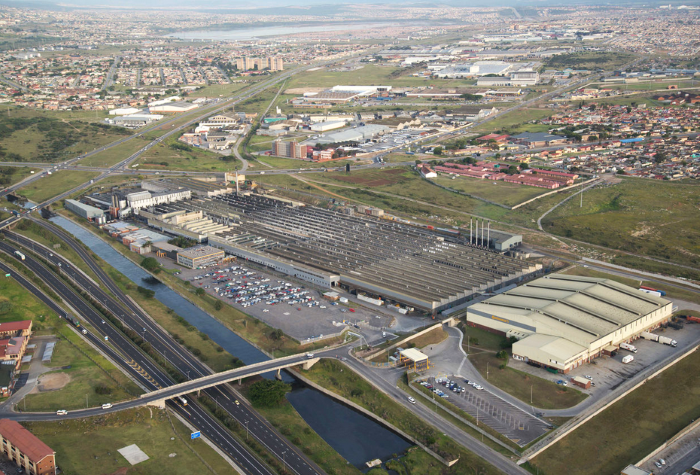
The Gqeberha facility has a long manufacturing history, dating back to 1947, when it began producing tyres under various brands. Continental-branded tyre production started in 1985, supplying automotive manufacturers operating in South Africa as well as the African replacement market.
However, changing market dynamics have placed sustained pressure on the facility’s operational performance. The influx of low-cost imported tyres has intensified competition across the African market, while rising energy costs, supply chain disruptions and infrastructure constraints have increased manufacturing costs and made operational planning increasingly difficult.
Despite various turnaround initiatives, local production capacity has remained significantly underutilised, prompting Continental to consider whether continued tyre manufacturing at the site remains viable.
Editor’s comment: The potential closure of Continental’s Gqeberha plant raises wider questions about the future of South African manufacturing sector and the country’s ability to compete against increasingly price-competitive imports.
For an industry already grappling with rising operating costs, infrastructure constraints and uneven competitive conditions, losing another legacy tyre manufacturing facility (Goodyear’s Kariega plant closed in 2025 and Bridgestone’s Gqeberha plant shut down in 2020) would be a significant loss.
The outcome of the consultation process will therefore be watched closely, not only by the affected employees but by the broader automotive and tyre industries too.
Click on photograph to enlarge