The latest FleetWatch Brake & Tyre Watch campaign, held in Kimberley on 7 and 8 October 2026, once again highlighted serious concerns surrounding heavy vehicle roadworthiness on South African roads, as well as a new trend in criminality. Read on….
The two-day initiative brought together traffic officials, transport industry specialists and leading commercial vehicle suppliers for intensive technical training followed by practical roadside-style inspections.
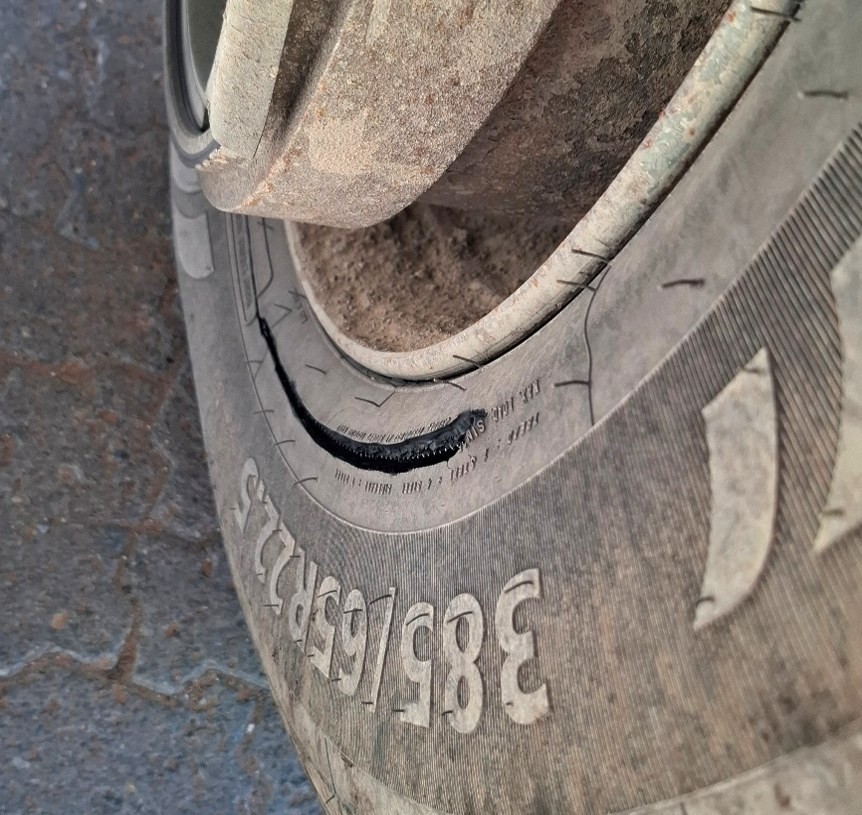
Of the five trucks and trailer combinations inspected, four failed, representing an alarming 80% failure rate. Most concerning was the number of defects identified with multiple safety-critical defects recorded across the vehicles that failed – except the one which we must highlight as a heads-up warning to all transporters.
New trend in theft
The rig was an interlink which passed on every aspect. It was in perfect condition but then, on checking the ABS/EBS, it was found to be non-functional. Johan van der Merwe from ZF Aftermarket is our braking expert and he explains that an ABS/EBS power supply test is performed by verifying power supply through either the ISO 7638 permanent power (Suzie) connection or the stop-light circuit by switching the ignition on and applying the brake pedal.
“Under normal operating conditions, the ABS/EBS valve should produce distinctive clicking sounds as the internal solenoids cycle through their opening and closing sequence. In this case, during testing no cycling of the EBS valve was detected,” he says.
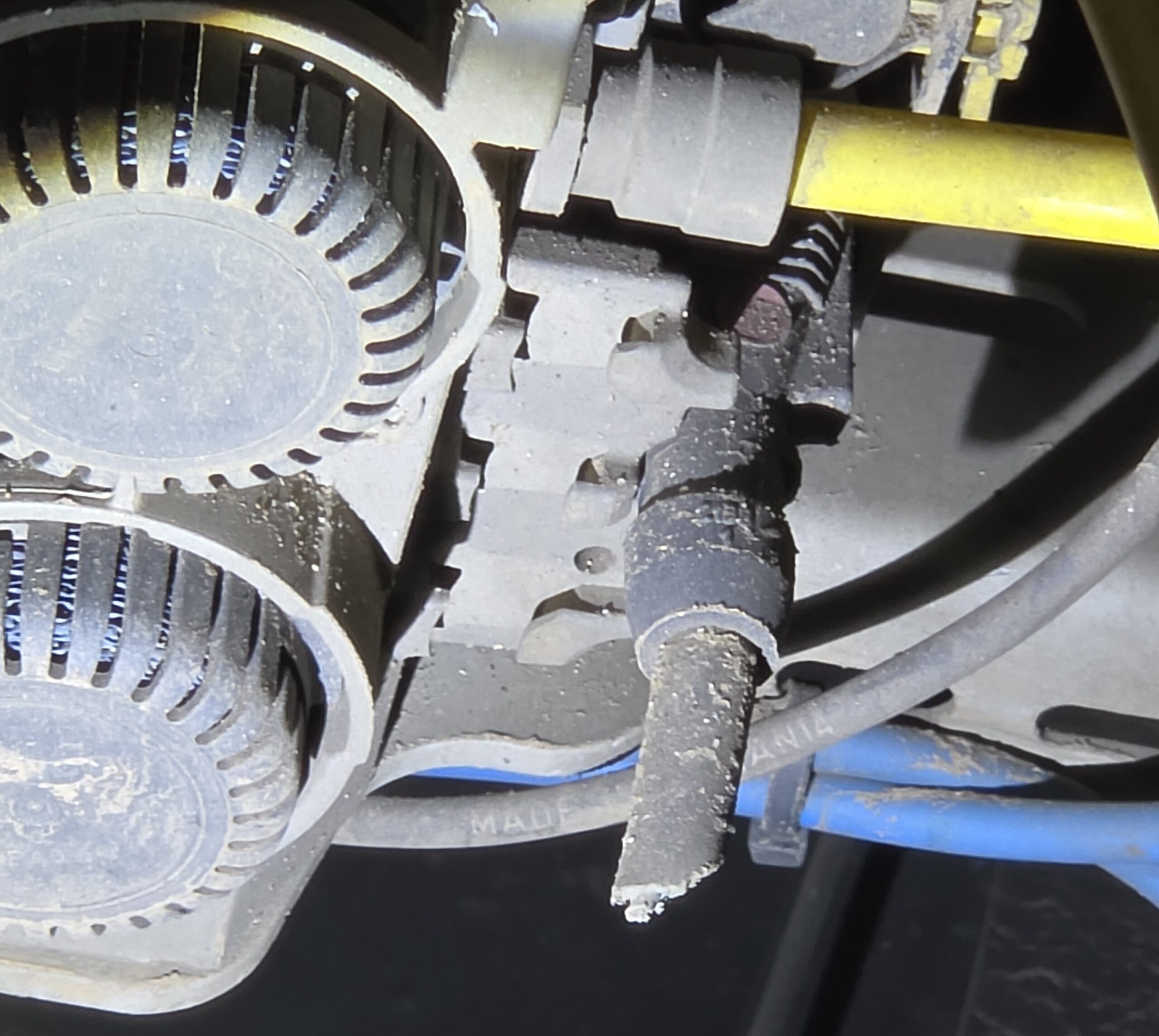
Further inspection was therefore carried out in the pit by checking the ABS wheel speed sensor connections. “During this inspection, it was then found that the power cable had been cut and the associated wiring harness was missing from the trailer. This absence of the power supply harness prevented the EBS system from receiving the required electrical power and resulted in the system failing to cycle as expected.”
In the past we have seen ABS cables disconnected from the sensors and wound round the axles or just hanging loose. However, we had never seen this before, so I phoned the operator. He said they have had a number of such cases and ascribed it to criminals cutting the cables and removing it to get the copper to sell.
“We stripped one of these cables and took the copper to a scrap dealer where we were offered R52 for the copper,” he told me, adding that in his opinion, unemployment is leading to desperate measures such as this being taken.
We all know that suzie cables have long been a target for thieves but this is the first time we have come across a cut power cable to remove the entire harness. Given that the operator has had prior incidents, we urge all transporters to train their drivers on checking the workings of the ABS/EBS before hitting the road – and especially after sleeping at truck stops.
The problem here was not maintenance neglect on the part of the operator but the law had to be applied. A non-functioning ABS/EBS results in an automatic suspension of the vehicle. That is the law. In this case, a service provider in Kimberley was contacted by the operator and a new cable was fitted allowing the vehicle to continue its journey.
The overall findings served once again to reinforce the importance of the Brake & Tyre Watch initiative, which equips Traffic Officials with the technical knowledge and practical skills needed to identify potentially dangerous commercial vehicles before they cause serious accidents.
Two days of training, one important mission
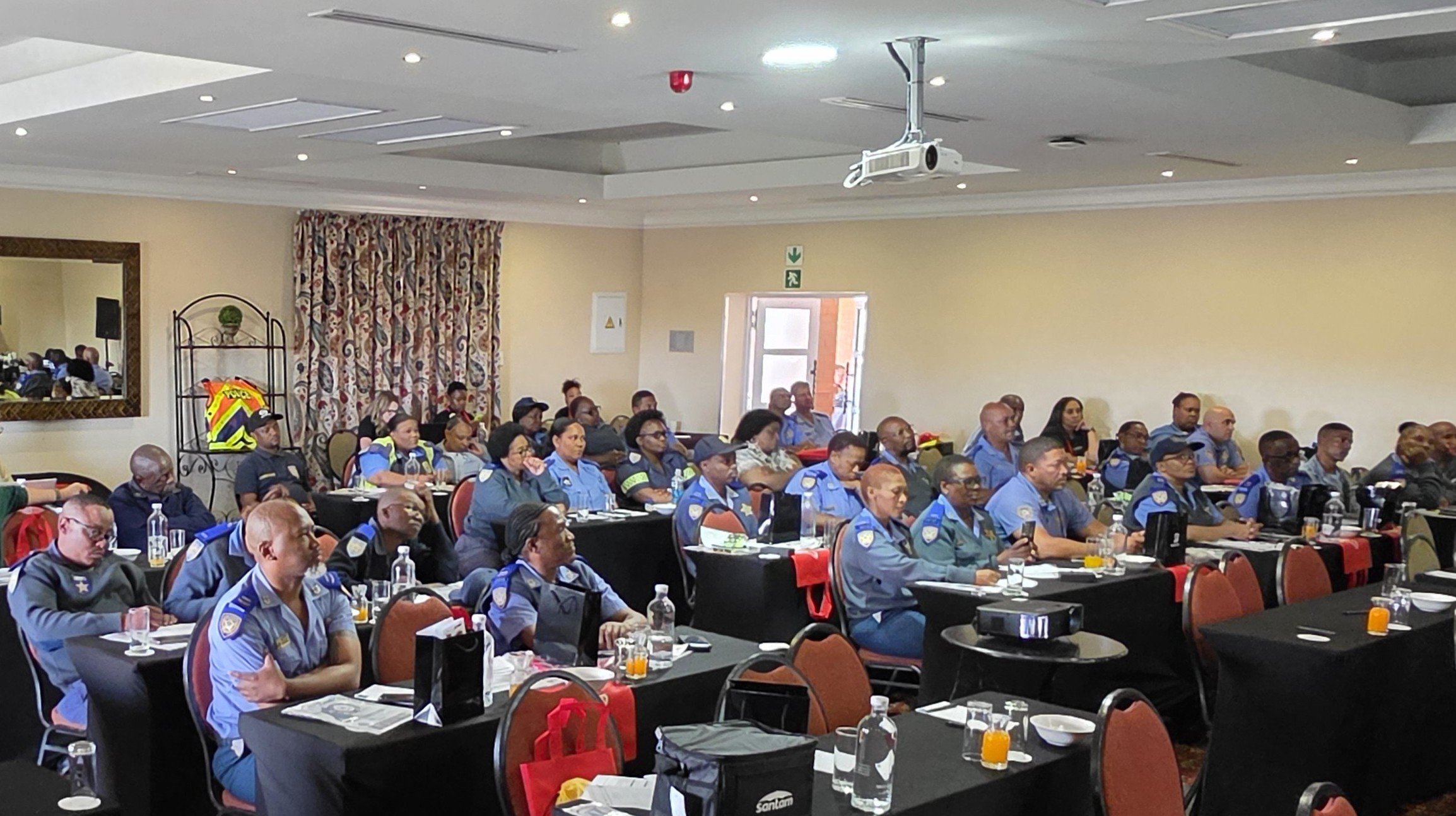
The campaign began on Wednesday, 7 October 2026, at the Protea Hotel Kimberley, overlooking the historic Big Hole. Traffic Officials participated in a full day of technical presentations delivered by specialists from ZF Aftermarket, Bridgestone Commercial South Africa, BPW Axles, JOST, ORAFOL South Africa, JC Auditors, Santam, UD Trucks Southern Africa and Powerfleet.
The programme covered braking systems, tyre legislation and roadworthiness, axles and suspension, fifth-wheel safety, vehicle visibility and the role of modern technology in fleet safety. The sessions also connected technical knowledge with South African road traffic legislation, helping officials understand not only what to inspect, but why specific defects constitute serious safety risks.
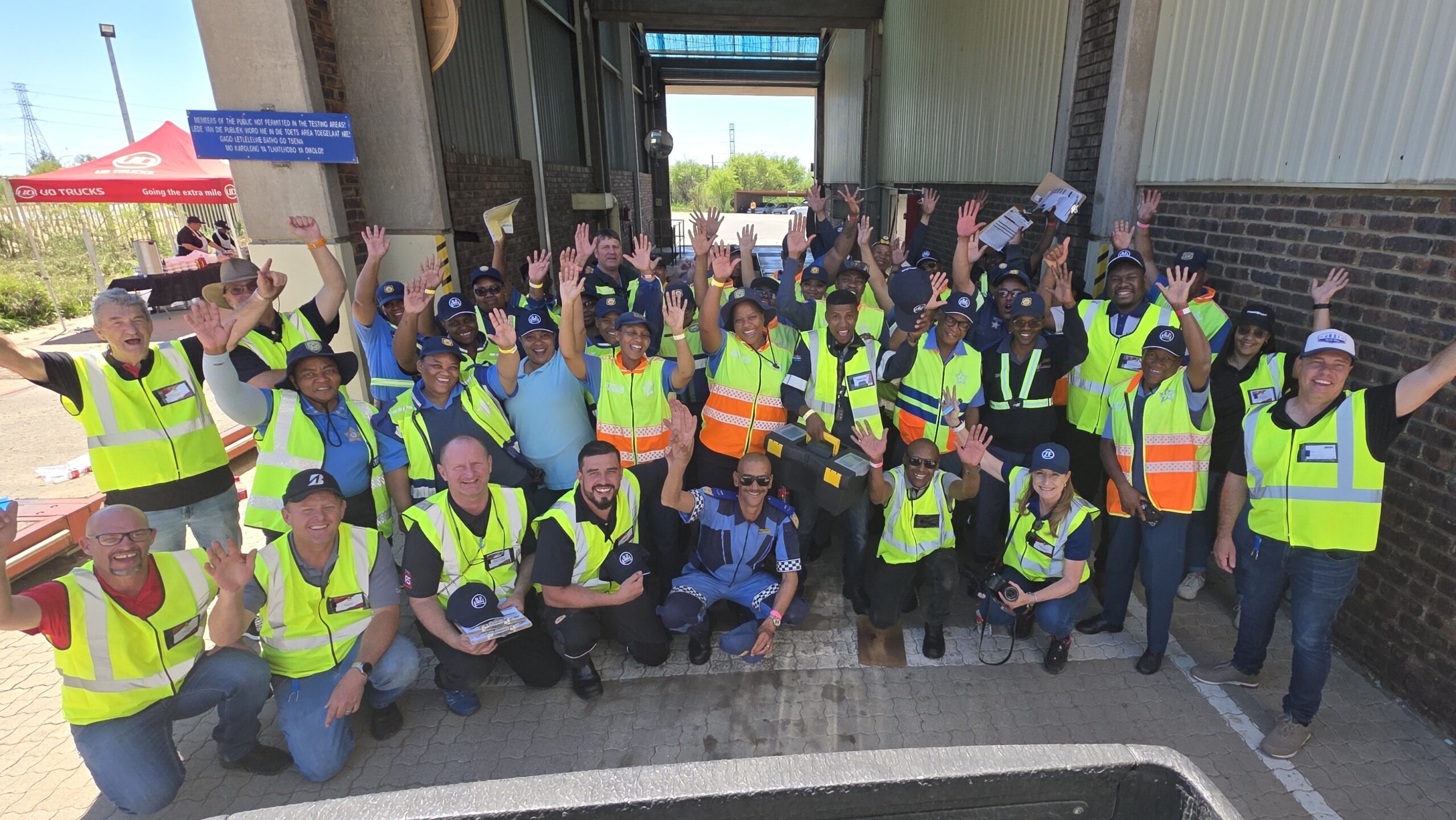
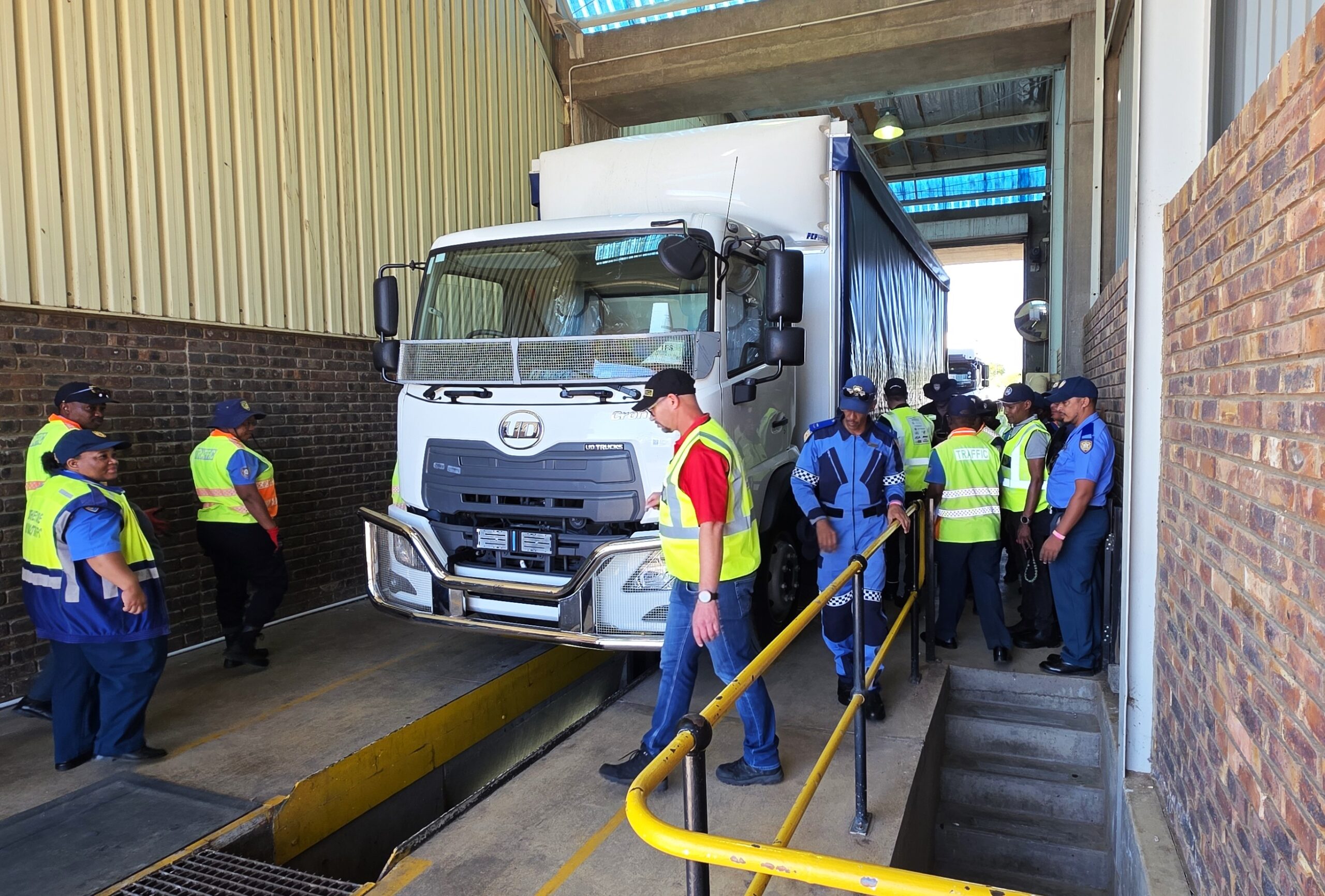
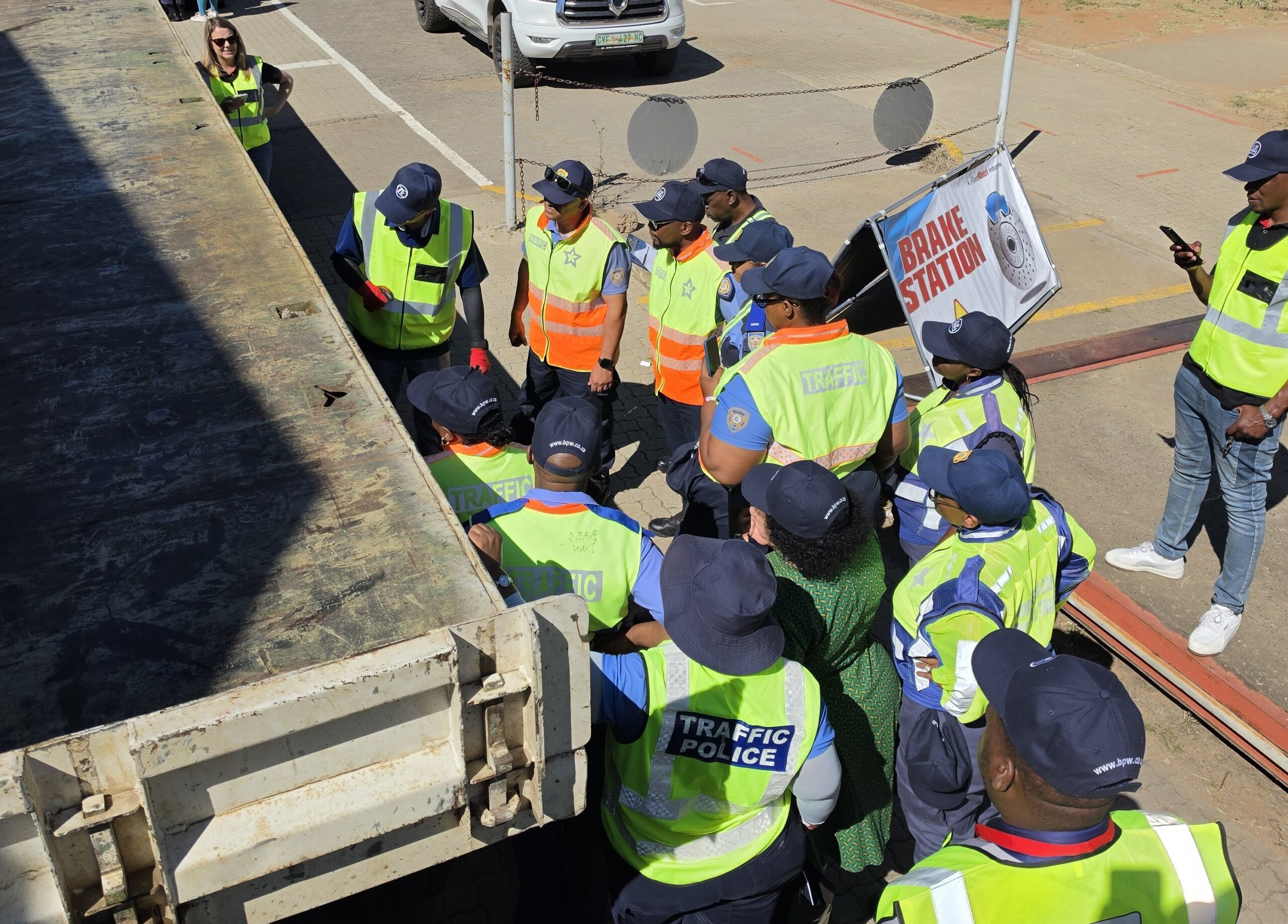
On the second day, the training moved to the Sol Plaatje Licence Testing Centre, where officials worked alongside industry specialists to conduct detailed practical inspections of heavy commercial vehicles. Using structured inspection forms and guidance from the specialists, officers were able to apply the knowledge gained the previous day directly to real vehicles.
An eye-opening experience from the front line
We asked Craig Proctor-Parker, managing director of Accident Specialist and a longstanding member of the Brake & Tyre Watch training team, for his views on the overall event. Proctor-Parker is an accident investigator who has hands-on experience of the realities on the roads from the hundreds of crashes he has attended over the years. Here’s his view….
“Being part of the Brake & Tyre Watch team, training traffic officers around the country, is always a privilege. At the same time, it is both an eye-opener and an ongoing front-line experience, providing valuable insight into the situation on our roads.
“Day one’s academic and technical training was met with the usual mixture of bewilderment and appreciation as attendees gained a deeper understanding of the technical aspects of heavy vehicles and how these relate to the laws, regulations and specifications of the land.
“Arguably, the most rewarding part comes on day two, when officers take their newfound knowledge into the field. Pulling commercial vehicles over and inspecting them in detail, under the guidance of specialists and using a comprehensive inspection form, demonstrates just how quickly and effectively officers can apply what they have learnt and make a meaningful difference on our roads.
“With five vehicles inspected in detail and four failing outright, we recorded an 80% failure rate. Although unsurprising, it remains deeply concerning.
“The attendance of one vehicle owner, accompanied by his mechanic, provided another sobering reminder of the challenges we face. Their response to the defects identified highlighted, in my view, a troubling lack of understanding of the laws, regulations and technical standards governing commercial vehicle safety. This reinforces the ongoing problems on our roads and the critical importance of the Brake & Tyre Watch training initiative, which is unique in its approach.”
Industry and law enforcement working together
The success of Brake & Tyre Watch relies on the continued commitment of industry partners who voluntarily contribute their expertise, resources and technical knowledge. FleetWatch extends its sincere appreciation to the following partners for their involvement in the Kimberley campaign:
-
ZF Aftermarket – Heavy vehicle braking systems
-
Bridgestone Commercial South Africa – Tyre safety and roadworthiness
-
BPW Axles – Trailer axles, suspension and braking components
-
JOST – Fifth-wheel systems and coupling safety
-
ORAFOL South Africa – Vehicle conspicuity and visibility
-
UD Trucks Southern Africa – Commercial vehicle technology and practical demonstration
-
Powerfleet – Telematics and fleet safety technology
-
JC Auditors – RTMS
-
Santam – Campaign support
-
Accident Specialist – Accident investigation expertise and practical training coordination
The campaign also acknowledges the invaluable cooperation of Sol Plaatje Municipality, which assisted with local arrangements and provided access to its licence testing facilities for the practical training.
Special recognition goes to the traffic officials who committed two days of their time to attend, participate and improve their technical knowledge. Their willingness to learn, ask questions and actively engage with industry specialists is essential to improving the standard of heavy vehicle inspections on South African roads.
The findings speak for themselves
The Kimberley results provide another stark reminder that serious mechanical and safety-related defects remain a concern within the commercial transport sector. The campaign is not simply about identifying defective vehicles. It is about empowering officials to recognise potential dangers, enforce roadworthiness requirements and ultimately help prevent accidents before they happen.
Five vehicles inspected. Four failed. One clear message: There is still considerable work to be done. FleetWatch remains committed to bringing industry expertise and law enforcement together through the Brake & Tyre Watch initiative, working towards safer trucks, safer drivers and safer roads for all South Africans.
Click on photographs to enlarge