Global Warming has no borders or boundaries – that’s why it’s referred to as ‘Global’ warming’. Every industry sector needs to take it seriously as evidenced by the record high temperatures recorded in Europe and in the USA over the past weeks. It is thus FleetWatch compliments Mitsubishi FUSO Truck and Bus Corporation (MFTBC) on achieving carbon neutrality across all of its production facilities in Japan, marking another significant milestone in the commercial vehicle manufacturer’s global sustainability journey. The achievement reinforces the company’s commitment to reducing the environmental footprint of both its manufacturing operations and its growing portfolio of zero-emission commercial vehicles.
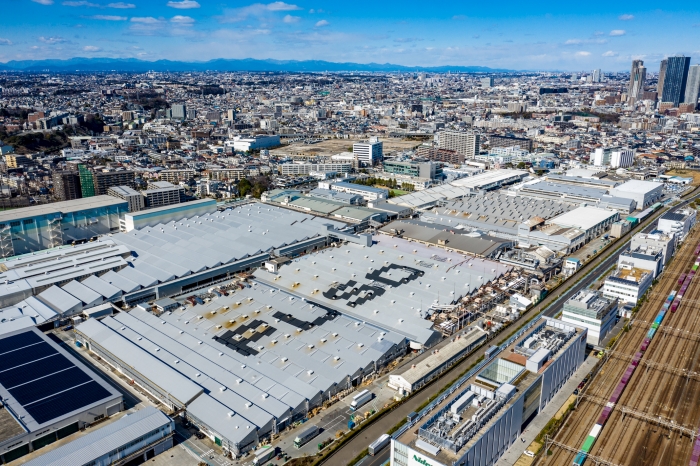
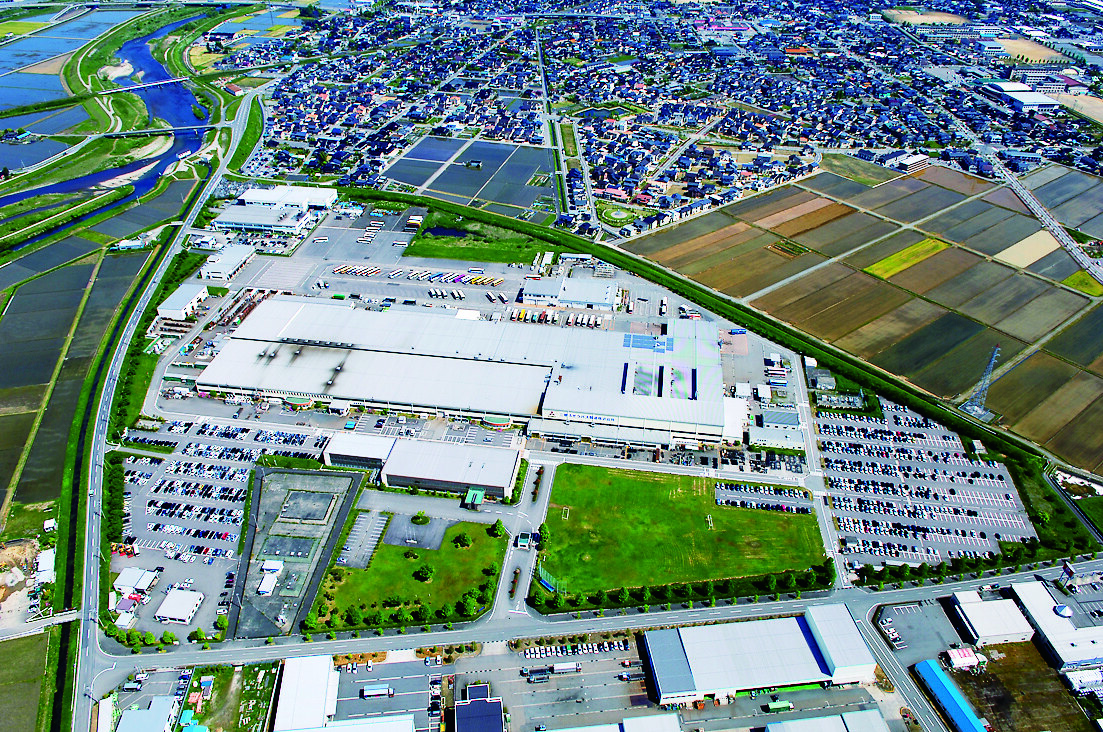
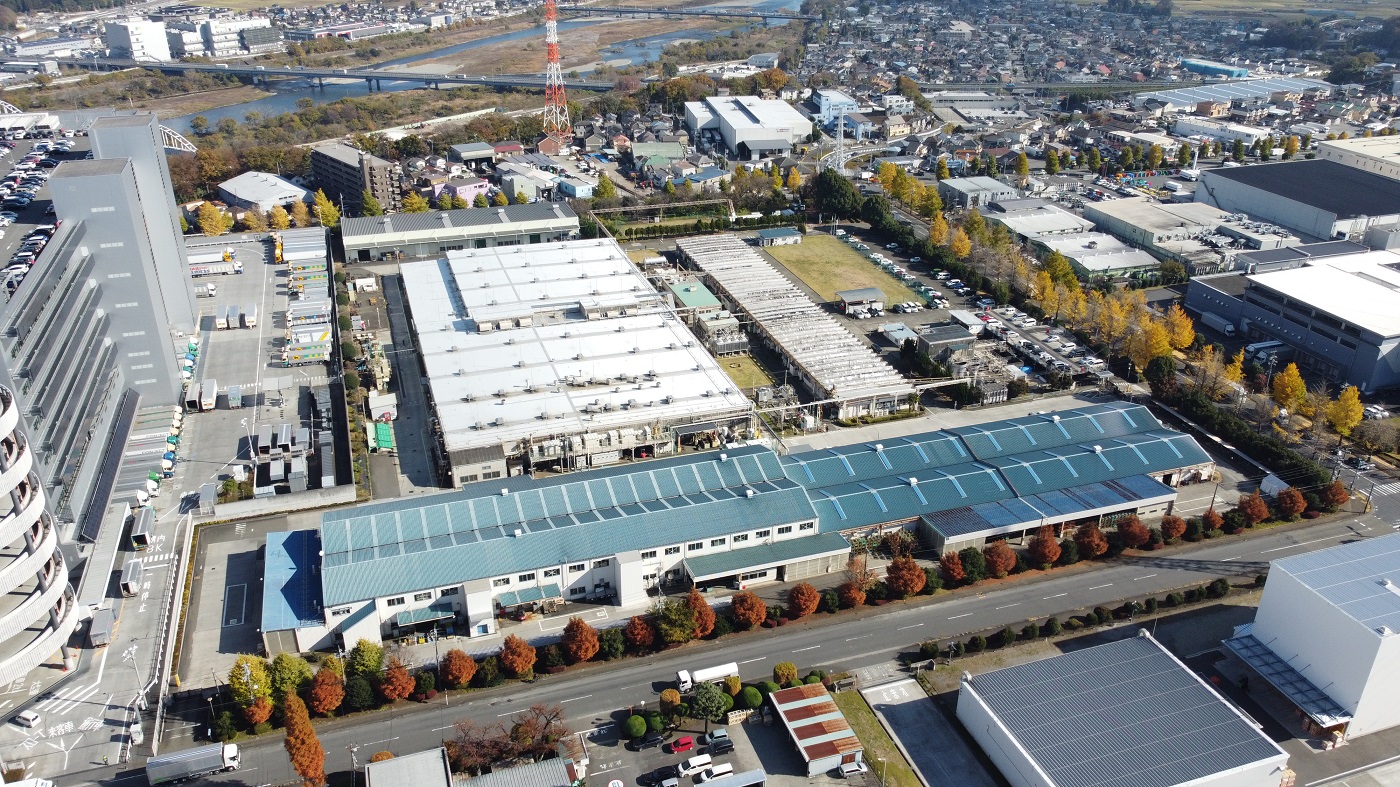
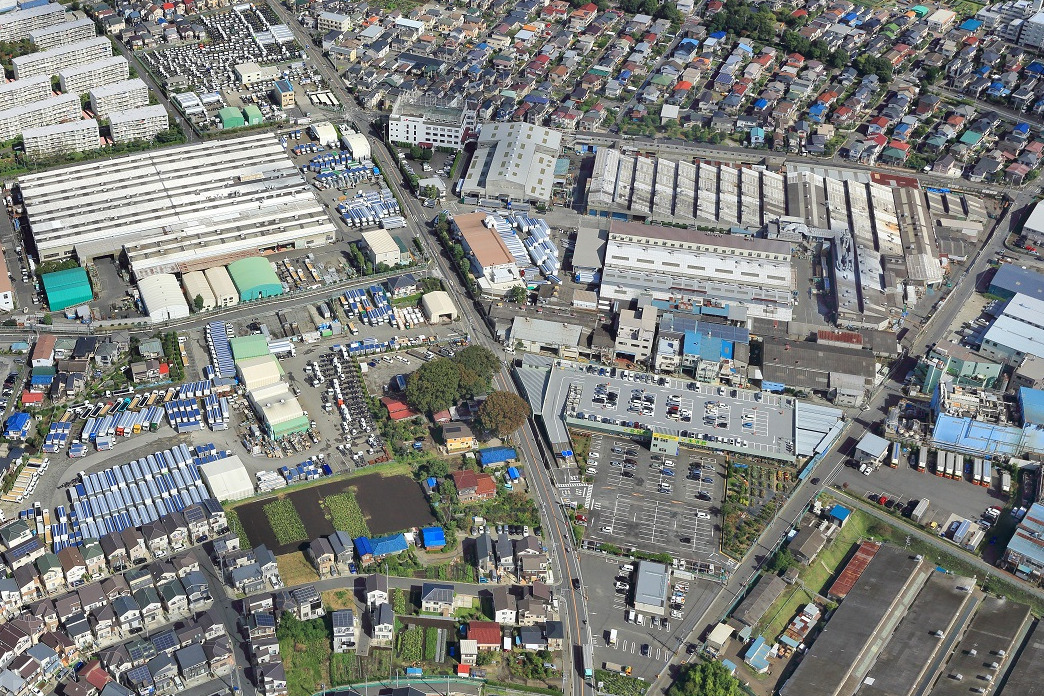
The milestone, achieved during the 2025 calendar year, covers the company’s domestic production network, including its Kawasaki and Nakatsu plants, Mitsubishi FUSO Bus Manufacturing (MFBM) in Toyama and the PABCO Sagami Plant.
Renewable energy and efficiency drive emissions reductions
MFTBC said the achievement follows several years of investment in renewable electricity, on-site solar generation and energy-efficiency improvements throughout its manufacturing operations.
Key initiatives included switching all purchased electricity at its Kawasaki and Nakatsu plants to renewable energy, expanding solar photovoltaic installations and implementing a range of measures aimed at reducing energy consumption during vehicle production.
The company’s environmental management programme is supported by internationally recognised ISO 14001 environmental management and ISO 50001 energy management certification, helping drive continuous improvements in energy efficiency and responsible resource utilisation.
Carbon credits bridge remaining emissions
While emissions have been substantially reduced at source, MFTBC confirmed that unavoidable residual greenhouse gas emissions were offset through the purchase of certified carbon credits to achieve net carbon neutrality during 2025 and through the first quarter of 2026.
From April 2026 onwards, the company says it will continue maintaining carbon-neutral manufacturing through ongoing emissions reduction initiatives alongside carbon offsetting where necessary.
Sustainability roadmap continues
The achievement builds on a series of sustainability milestones reached over the past decade.
By 2021, MFTBC had reduced CO₂ emissions at its Kawasaki and Nakatsu plants by more than 20% compared with 2015 levels. In 2022, the company expanded its on-site solar capacity at Kawasaki with approximately 14 000 m² of photovoltaic panels and switched all purchased electricity at its two main Japanese plants to renewable sources. The same year, its Tramagal manufacturing facility in Portugal also achieved carbon neutrality.
In 2023, Mitsubishi FUSO Bus Manufacturing began operating entirely on renewable electricity, paving the way for the company’s latest achievement across its entire Japanese production network.
Alongside cleaner manufacturing, MFTBC says it continues to advance the development of zero-emission commercial vehicles, life-cycle assessment methodologies and sustainable material strategies as part of its broader vision of contributing to “a sustainable future for people and the planet.”
Editor’s comment: While South African truck operators are primarily concerned with vehicle performance, uptime and total cost of ownership, manufacturing sustainability is becoming an increasingly important differentiator as global OEMs work towards lower life-cycle emissions. As fleet customers place greater emphasis on ESG reporting and supply chain sustainability, milestones such as carbon-neutral production reinforce the environmental credentials of the next generation of commercial vehicles destined for international markets – including South Africa. It also creates hope for a better planet for the next generation of children. In fact, for the current generation when considering that over 2000 people died due to the heatwave in Europe.
Click on photographs to enlarge