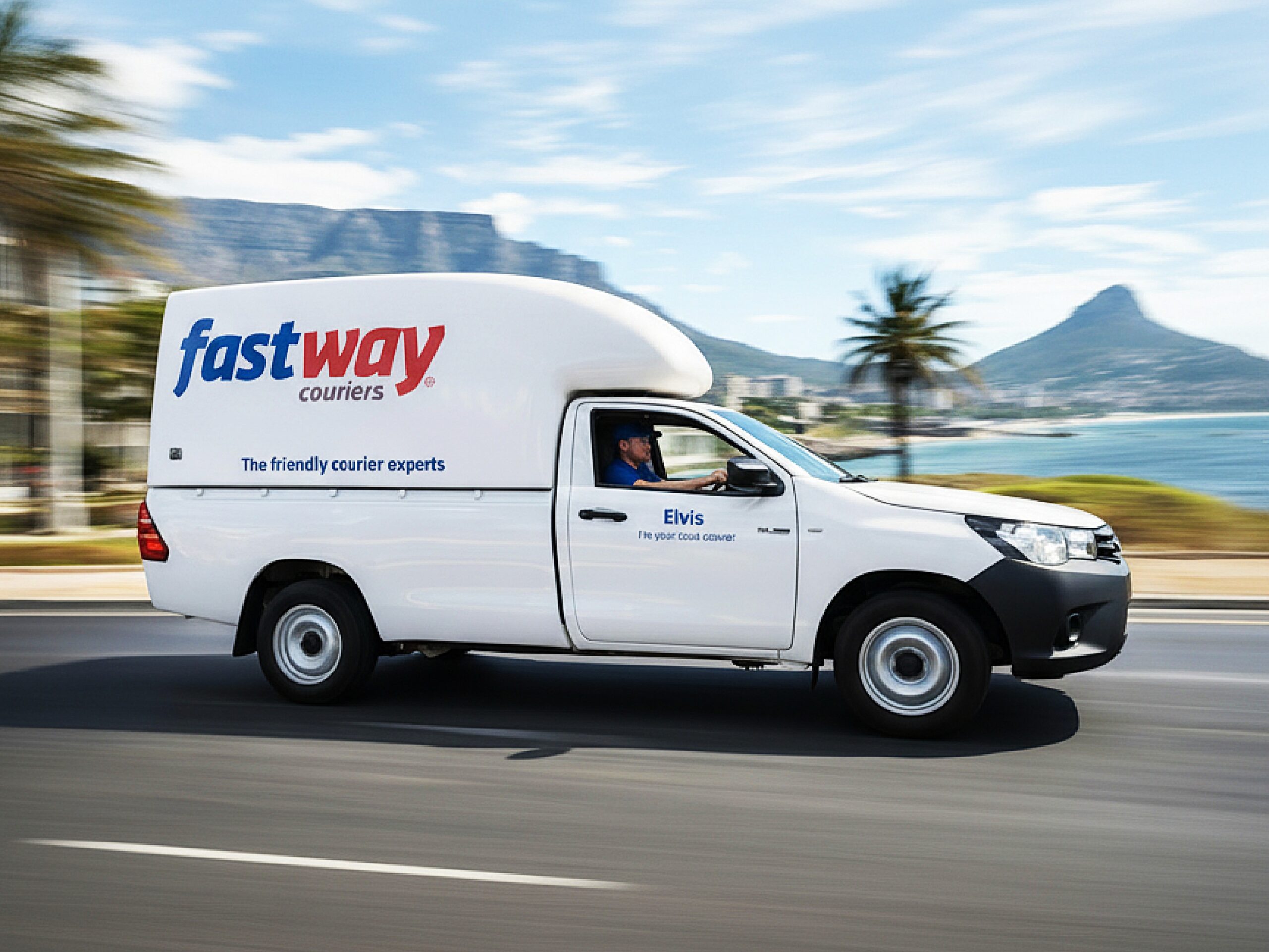
While heavy transport often grabs the headlines, the phenomenal growth in online shopping has seen a boom in courier services and it is this sector that is quietly underpinning thousands of small businesses, owner-drivers and last-mile delivery operators who keep the economy moving every day.
As renewed emphasis is being placed on youth employment and entrepreneurship, scalable franchise models offer one practical route into business ownership – particularly for those without access to significant capital. With South Africa facing a deepening jobs crisis, Fastway Couriers says the courier industry can serve as a practical, scalable pathway into entrepreneurship and employment.
“We see ourselves as part of the solution when it comes to job creation in South Africa,” says Ivashni Manikkam, General Manager: National Operations at Fastway Couriers. “As a business built on entrepreneurship and local ownership, our franchise model is designed to create opportunities for individuals to own and grow sustainable businesses within their communities.”
Fastway currently operates a network of 259 owner-drivers and contractors, almost 500 courier franchisees running approximately 559 vehicles across franchised territories nationwide, supported by 16 regional franchisees and approximately 15 satellite hubs. The company says its network has expanded by 30% over the past 24 months.
Growth extends beyond franchise owners
According to the company, each courier franchise supports additional employment beyond the owner. Most operations employ at least one authorised driver, while around half employ two or more people to handle growing delivery volumes. At regional franchise level, approximately 390 staff are employed across the depot network.
“Every Regional Franchise and satellite hub supports drivers, administrative staff, suppliers, and service providers. This means that as our network grows, so too does our contribution to local economic activity and employment,” says Manikkam.
Lower barriers to business ownership
Fastway says one of the strengths of its model is that prospective franchisees do not require the significant infrastructure investment associated with many traditional franchise businesses.
“The franchise and start-up costs are significantly lower than many traditional franchise sectors,” explains Manikkam. “Courier franchisees are not expected to build premises or invest in extensive infrastructure. By lowering the capital barrier to entry while providing the backing of a national network, Fastway enables more South Africans to participate in business ownership and job creation.”
Applicants are selected on entrepreneurial potential, customer service commitment and operational capability rather than previous courier industry experience.
Franchisees receive access to operating systems, proprietary technology, national sales and marketing support, training and ongoing business development.
From contractor to franchise owner
Fastway says some of its strongest success stories have come from contractors who initially entered the business with little more than a bakkie before progressing to franchise ownership. As they established reliable delivery operations and consistent revenue, they were able to acquire the territories they serviced through incremental ownership while continuing to operate.
“We have seen some of our greatest success stories from franchisees who have bought territories in high-risk and informal areas. Often areas they either grew up in or still live in, thereby giving them a natural advantage in those communities,” says Manikkam.
She adds that successful franchisees come from a wide variety of backgrounds, including banking, corporate careers and sales but are united by a strong entrepreneurial drive. “Our most successful franchisees share a similar focus: a strong entrepreneurial mindset, a willingness to engage with their local business community and the determination to grow through service excellence.”
Supporting SME growth
The company also believes its impact extends beyond direct employment by helping small businesses expand through affordable nationwide delivery.
“For SMEs, logistics can be one of the biggest barriers to growth,” notes Manikkam. “By making nationwide delivery more accessible and cost-effective, Fastway helps entrepreneurs expand their customer base beyond their immediate geographic area, increase sales and scale their operations. As these businesses grow, they create additional jobs in areas such as sales, warehousing, administration, customer service, manufacturing and distribution.”
Looking ahead, Manikkam says greater collaboration between industry, business and government will be needed to maximise the sector’s employment potential.
“The courier industry is far more than a delivery service. It is a platform for entrepreneurship, economic inclusion and job creation. Every franchise opened, every depot expanded and every small business enabled through logistics creates a multiplier effect that supports employment and economic growth.
“The greatest opportunity lies in stronger collaboration between government, the private sector and industry to build pathways from unemployment into meaningful participation in the economy.”
Editor’s comment: South Africa’s logistics sector has long been recognised as an economic enabler, but Fastway Couriers’ route to job creation and empowerment highlights another important role – creating pathways into business ownership. While major fleet investments and warehouse developments remain vital, last-mile delivery networks are proving equally important in expanding employment, particularly for young entrepreneurs and SMEs. In an economy where jobs remain scarce, every successful franchise adds capacity not only to the logistics industry but also to the wider supply chain that depends on reliable transport to grow.
Click on photographs to enlarge