With global energy markets under strain amid instability in the Persian Gulf region, the timing of new electric commercial vehicle launches is becoming increasingly significant. Rising fuel volatility and supply uncertainty are sharpening the focus on operational resilience and manufacturers are accelerating the shift toward electrified transport as fleets search for insulation from diesel price shocks.
India’s commercial vehicle giant Tata Motors used a Cape Town showcase on May 22 to underline how far its electric truck strategy has progressed – and how deliberately it is being positioned for emerging-market realities, including our continent’s cost-sensitive logistics sector.
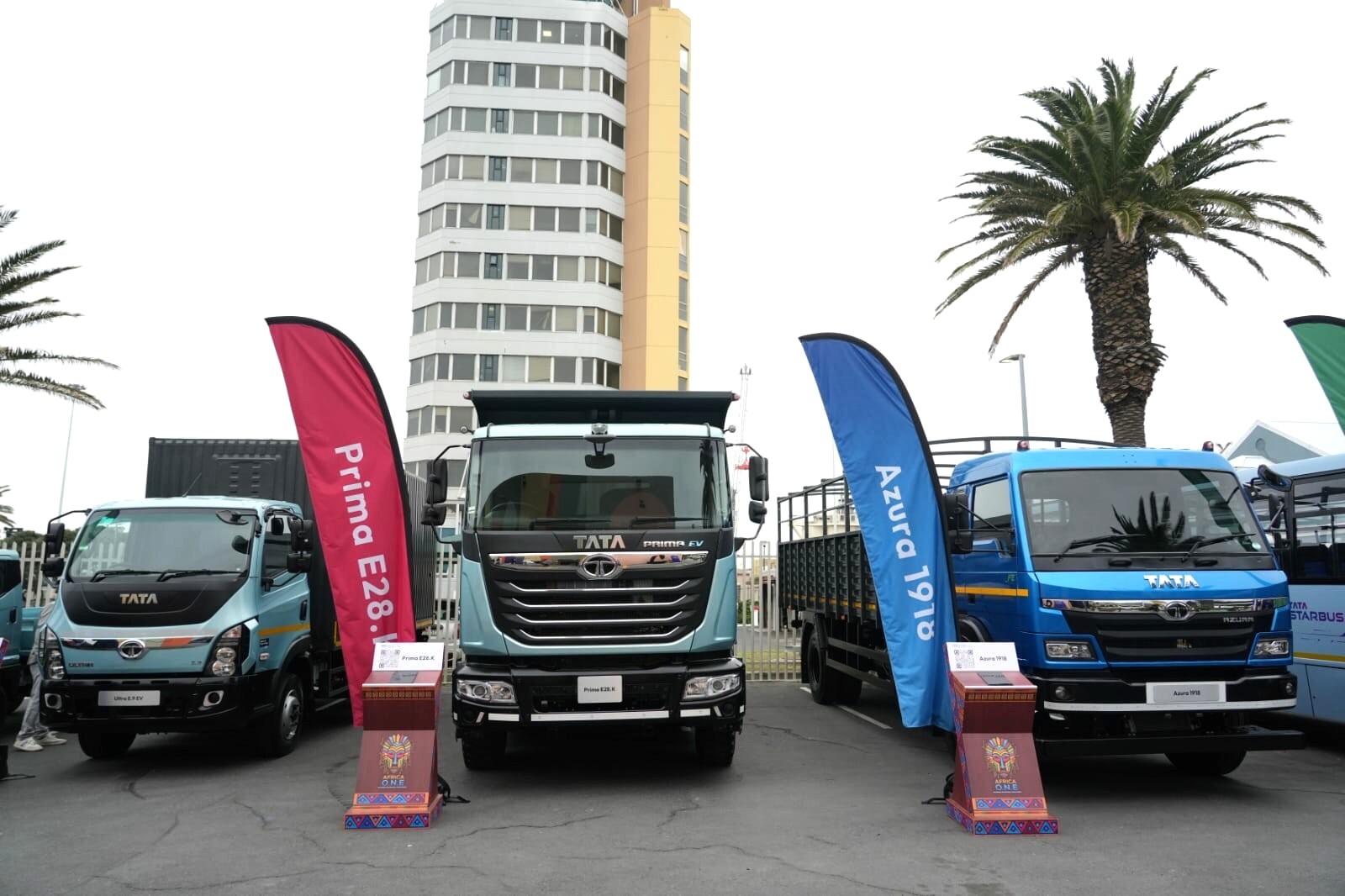
At the event, Tata Motors unveiled an 11-vehicle line-up spanning electric trucks, buses, pickups and heavy-duty vocational platforms. Battery-electric commercial vehicles took center stage, signaling that electrification is no longer being framed as a future concept, but as a near-term working solution across multiple duty cycles – from last-mile delivery to mining and construction support.
The showcase highlighted not only the breadth of Tata Motors’ commercial vehicle portfolio but also the company’s growing emphasis on electrification, productivity and lower total cost of ownership across a wide range of transport applications. From last-mile logistics to heavy vocational work, the underlying message was clear – energy risk is now a core transport planning variable, not a peripheral concern.
Electric trucks lead the charge
Among the most significant reveals was the battery-electric commercial vehicle range, covering applications from compact urban delivery to heavy-duty industrial operations.
The Tata Ace Pro EV was positioned as a zero-emissions mini truck for last-mile delivery, where compact size, maneuverability and low running costs are key operational drivers. Tata describes it as a practical urban logistics tool designed to reduce dependency on volatile fuel pricing.
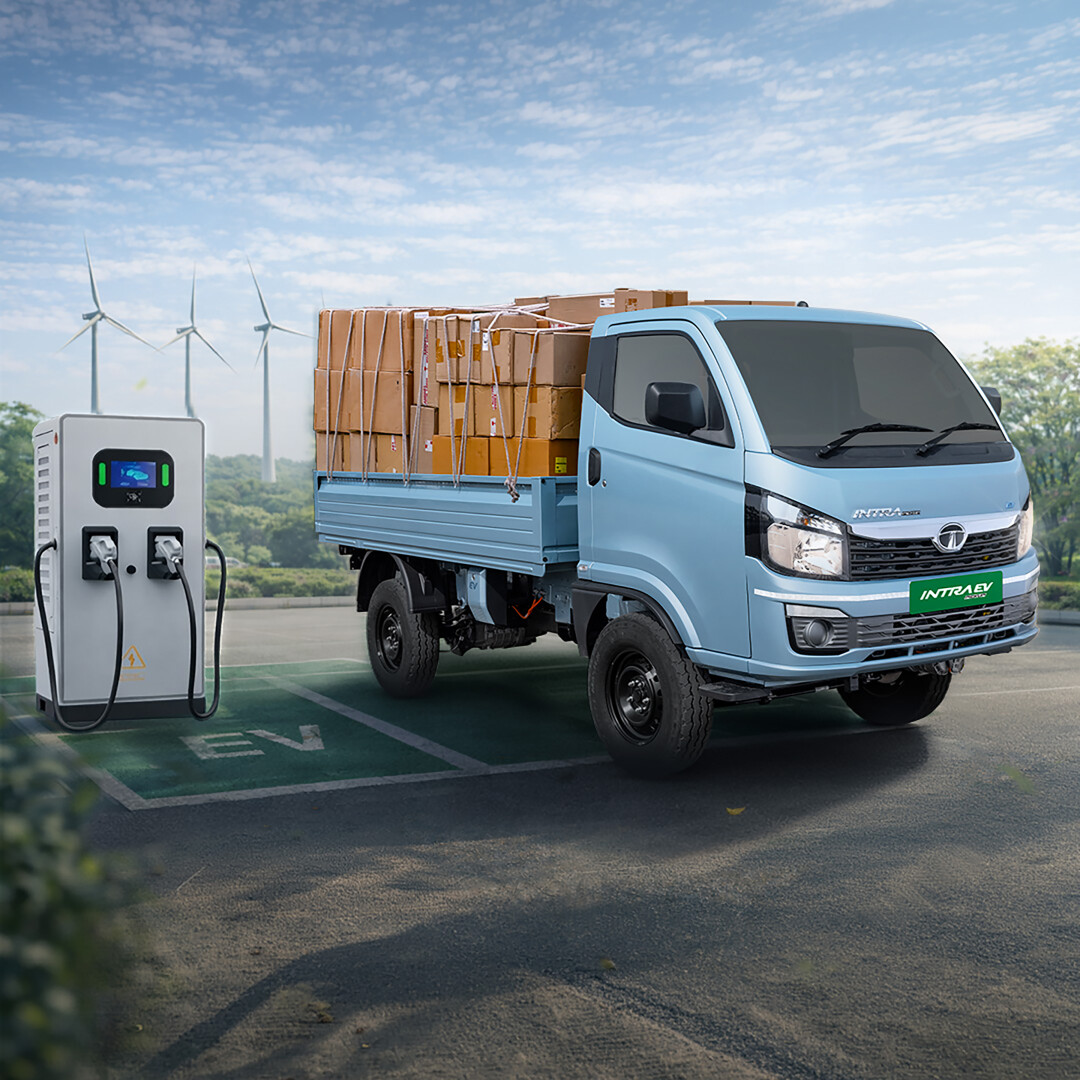
Alongside it, the Tata Intra EV targets higher-payload urban cargo operations, offering extended range capability and improved earning potential through lower cost of operation.
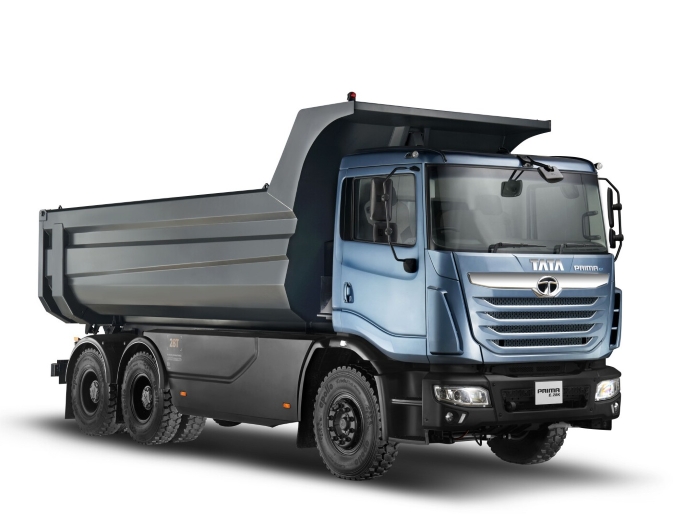
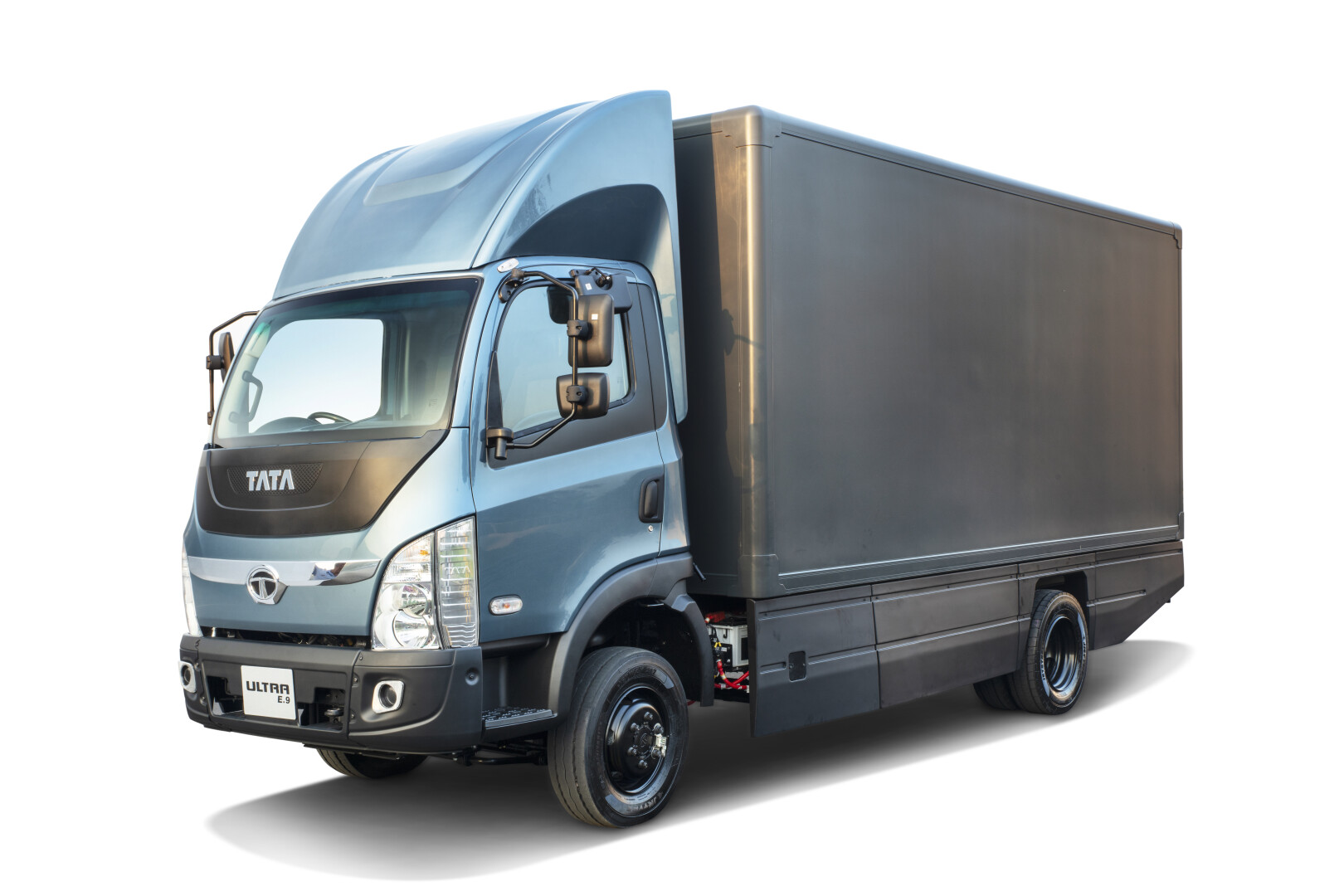
Tata also showcased the Ultra E.9 electric truck for intra-city logistics, while the Prima E28.K electric tipper extended the electrification foray into mining and construction. The latter signals a growing confidence that heavy-duty electrification is moving beyond pilot programmes into commercially relevant applications.
Speaking at the event, Asif Shamim, Head, International Business at Tata Motors, said the portfolio reflects a deliberate, application-led engineering approach.
“This showcase reflects our continued focus on developing relevant, application-led mobility solutions for our international markets,” said Shamim. “The portfolio presented here demonstrates the range of platforms and technologies we are building across segments, including electric vehicles, tailored to different use cases and operating conditions.”
Expanding the conventional range
While electrification took centre stage, Tata also reinforced the depth of its diesel and hybrid-ready platforms.
The Ultra Prime RE rear-engine intra-city bus is aimed at urban passenger transport, powered by a 6.7-litre diesel engine and designed for high-frequency duty cycles.
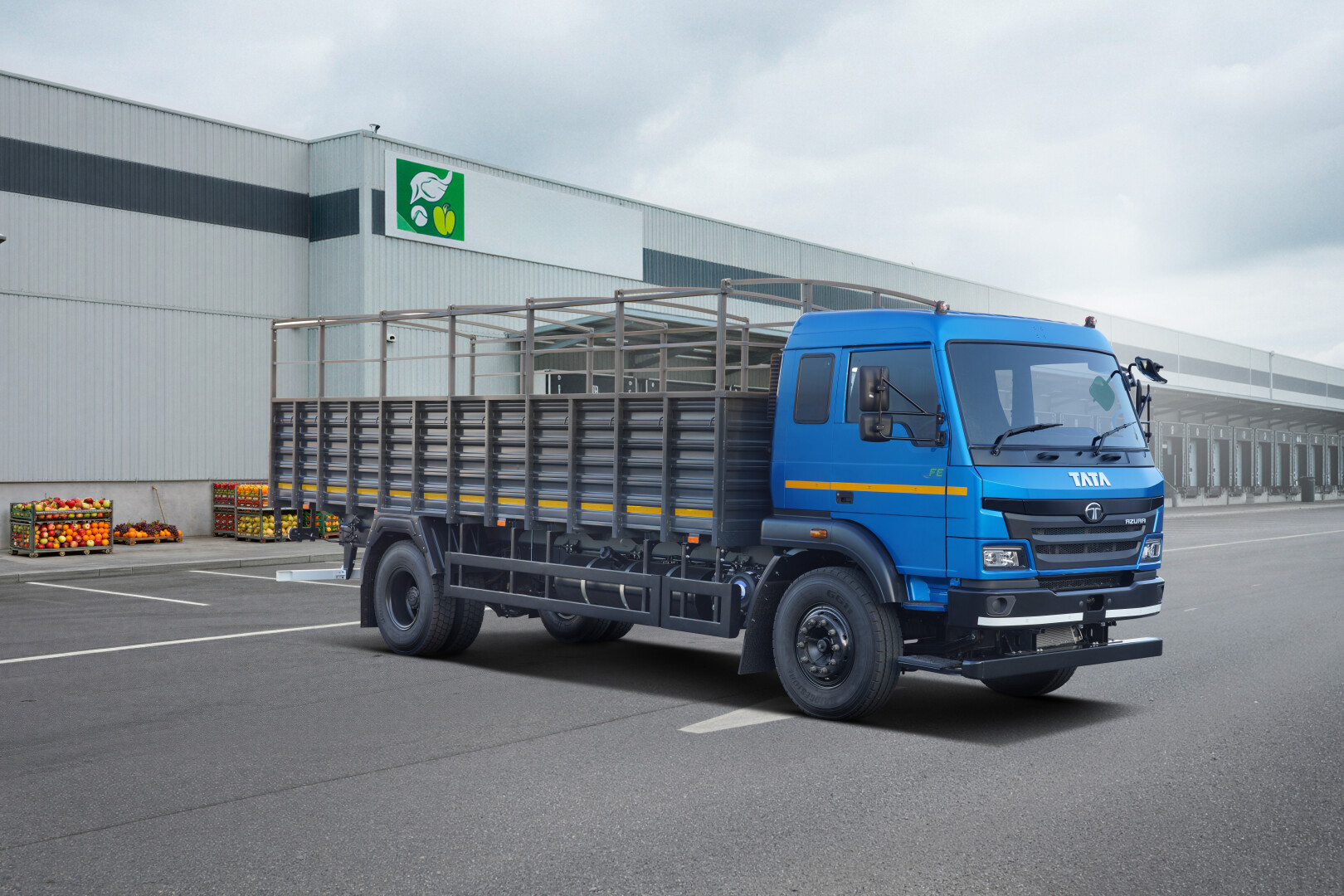
The Azura 1918 intermediate-duty truck continues Tata’s focus on regional and urban haulage, with an emphasis on uptime and lifecycle efficiency.
In pickups, the Intra V30 and V70 models were highlighted for their crash-tested walkthrough cabins and payload capacity ranging from 1 300kg to 1 950kg – reinforcing their role as high-utilisation commercial tools.
The passenger portfolio also included the LPO 1618 Magna, LP 909 and LPO 1623 Nova buses, covering staff, school and inter-city transport segments.
Africa remains central to Tata’s strategy
The Cape Town showcase also reinforced the scale of Tata Motors’ established footprint across Sub-Saharan Africa. The company operates in 29 countries through partners including Tata International, Panafrique Motors, KOMCO Motors and Allied Motors.
More than 340 000 commercial vehicles have been sold across the region, supported by over 320 service centres and assembly operations in South Africa, Kenya, Nigeria, Senegal, Egypt, Morocco and Tunisia.
Tata also highlighted warranty extensions and annual maintenance contracts as part of its effort to stabilise lifecycle costs in volatile operating environments.
Shamim concluded by stating that Tata’s new commercial vehicle portfolio “reflects the strength of the engineering and development capabilities behind these products, enabling us to deliver solutions that are practical, reliable and built to support customer productivity. We have always focused on supporting growing businesses and communities – building lasting relationships through dependable, efficient and durable products.”
Editor’s Comment: The coincidence of accelerated electric truck rollouts with renewed energy instability in the Gulf is not incidental – it is increasingly structural. As geopolitical risk feeds directly into fuel price volatility, the economics of diesel dependence are becoming harder to defend, particularly in emerging markets where transport costs ripple quickly through food, retail and industrial supply chains. Tata Motors’ Cape Town showcase sits squarely in this transition point, where electrification is no longer just about emissions targets but about energy security and cost predictability.
For African operators, the calculus is becoming more pragmatic than ideological. Electric trucks are being evaluated not as climate statements but as hedges against fuel shocks and margin compression. Tata’s strategy reflects this shift clearly – pairing electric platforms with established diesel products and an extensive support footprint, effectively offering fleets a staged transition rather than a disruptive leap.
Click on photographs to enlarge