By Patrick O’Leary
I still owe someone at Tata a plate of prawns. Why? Well, many years ago in the post-Van Riebeeck days, the Government embarked on the Taxi Recapitalisation Programme whereby taxi operators with shagged-out taxis could apply for a grant – I think it was R50 000 at the time – for their old taxis to enable them to buy a new one.
There was a timeline laid out and over the next few years, expecting a huge rush of sales, a number of companies came into South Africa and put their names and products forward to make the Government’s list as a preferred – or chosen – supplier. Tata was one of these. Another one was the Russian marque GAZ which didn’t make it past first base.
I recall having a meeting with some of the Tata management – can’t remember who – and they told me that the Taxi Recapitalisation Programme would be their entry point into South Africa and even if they didn’t make it, they would be staying to introduce their other truck products onto the market.
I scoffed at this and said that if they didn’t get approved supplier status, they would leave. And I bet a plate of prawns on my guess. The bet was made to a delightful South African elderly gentleman who had been appointed by Tata as a consultant. As time went by Tata did, indeed, stick around and introduce some of their truck models into South Africa. Initially though, sales were very slow but started moving up a notch or two when they got into some KZN fleets – mainly municipal fleets.
It was during a catch-up meeting with Tata management – including some of the leaders from India – that I drew the ire of my consultant friend when I asked: “OK, I was wrong on my first guess and although your sales are picking up, the concentration seems to be in Kwa-Zulu Natal. So, what happens when you run out of Indians?” I asked. “If you want a real foothold in this market, you need to broaden your customer base into, for example, the farming community.”
The consultant immediately shot back saying my question was offbeat but the man from India leapt to my defense saying: “Mr O’Leary is right. We need to move beyond KZN and then we will really be in the market,” – or words to that effect. I still had my doubts. Remember, Tata was up against traditional players like Toyota Trucks (now Hino Trucks), Isuzu Trucks and other marques which had a long and strong presence in the sectors of the market which Tata was aiming at.
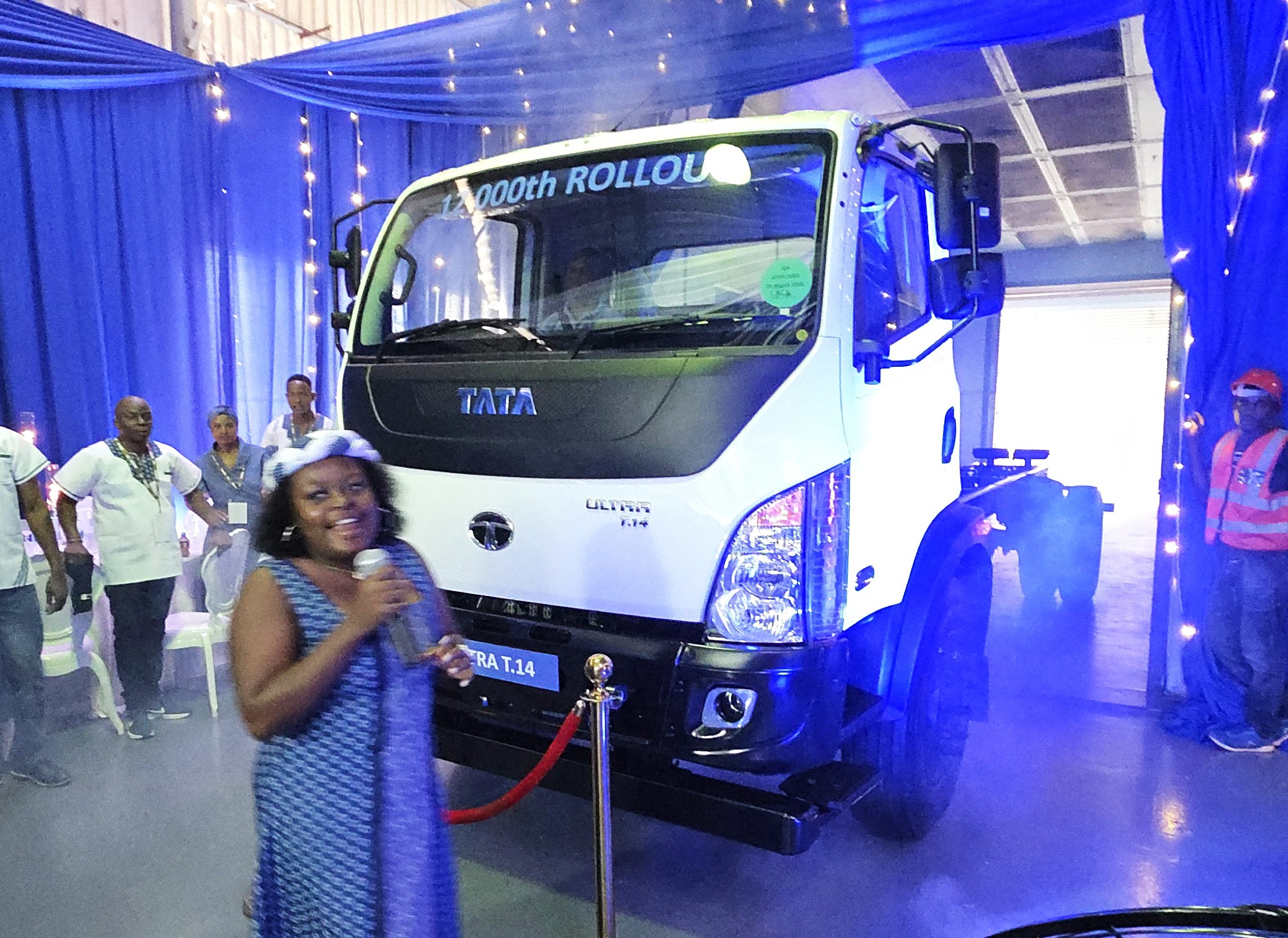
It seemed highly unlikely that Tata would make inroads against these players. But they did find a place in the market – and continue to do so. All this came back to me when I attended the celebration of the rollout of the 12 000th locally assembled commercial vehicle from the Tata Africa’s Assembly Facility in Rosslyn, last month and I thought: “Ya Pat. You were wrong.” And so I was.
The 12 000th achievement certainly served to underscore Tata Motors’ long-term commitment to South Africa’s manufacturing sector and its growing commercial vehicle ecosystem.
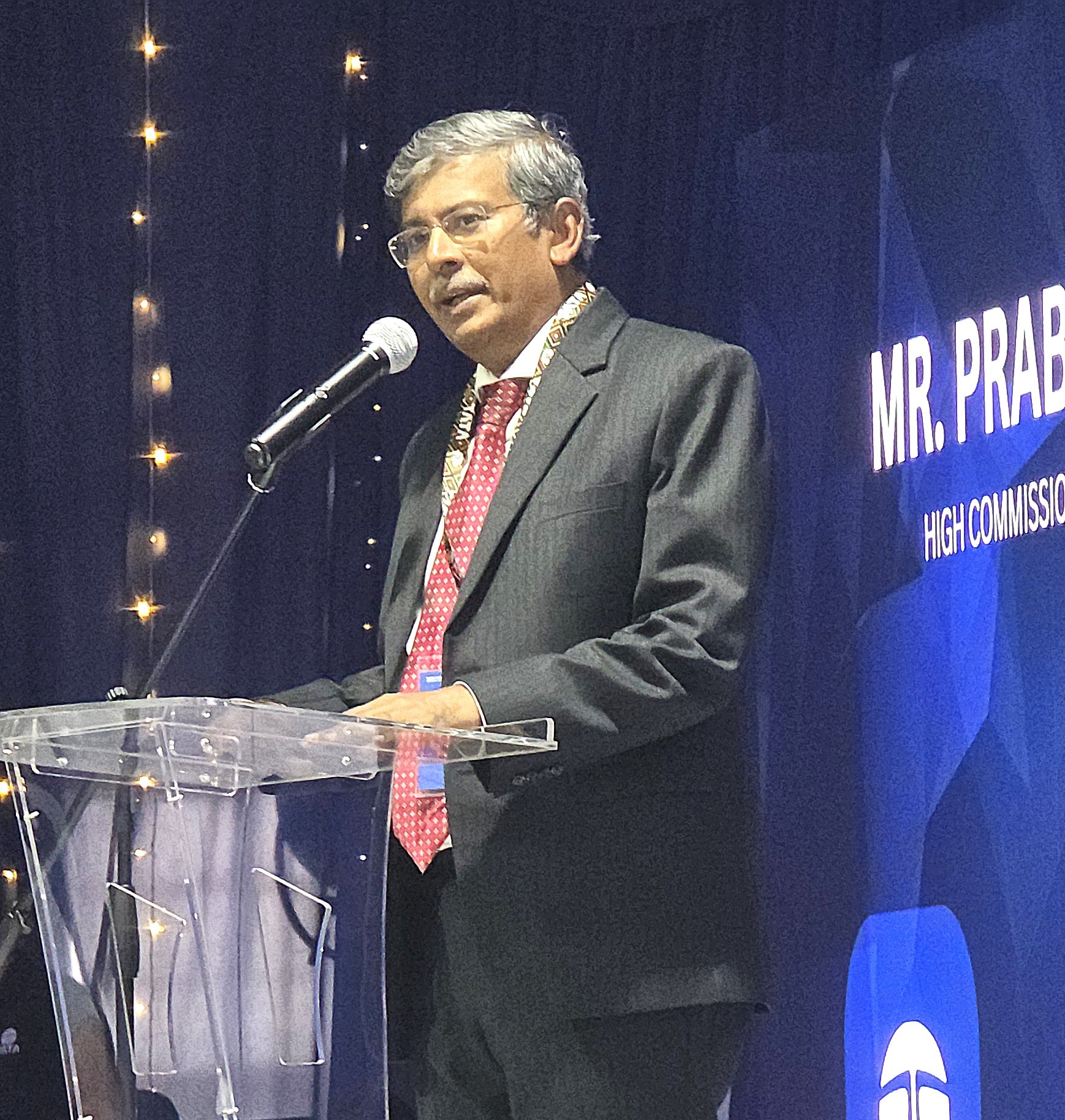
The milestone event brought together senior leadership from Tata Africa and Tata Motors, key industry stakeholders, dealer partners and His Excellency, Mr Prabhat Kumar, High Commissioner of India to the Republic of South Africa, reflecting the strong bilateral ties and industrial collaboration between India and South Africa.
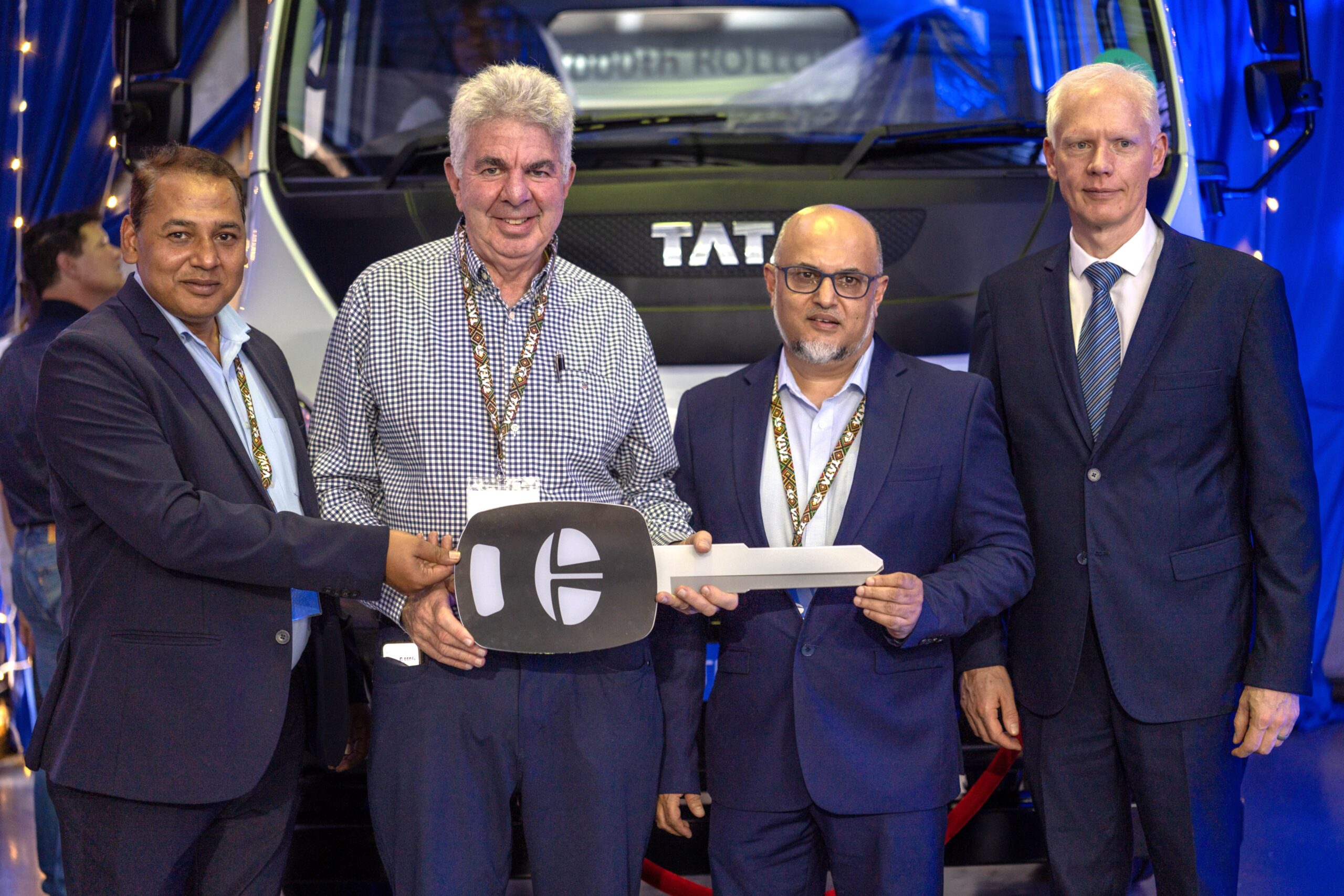
The ceremonial vehicle, a Tata Ultra T.14, was officially unveiled and handed over during the event to RAM Couriers. The delivery forms part of a broader fleet agreement and underscores Tata Motors’ focus on enabling customer productivity through reliable, efficient vehicles that support uptime, performance and operational confidence.
Highlighting Tata Motors’ commitment to local manufacturing, Asif Shamim, Head, International Business, Tata Motors Ltd., said: “Milestones are built on trust, customer confidence and strong partnerships. The rollout of the 12,000th vehicle reflects our long-standing commitment to South Africa – bringing our products closer to customers while creating jobs, building skills and strengthening the local automotive ecosystem. Guided by our ‘Better Always’ philosophy, we remain focused on delivering relevant, high‑quality vehicles and on building for South Africa, in South Africa, together with our partners and stakeholders.”
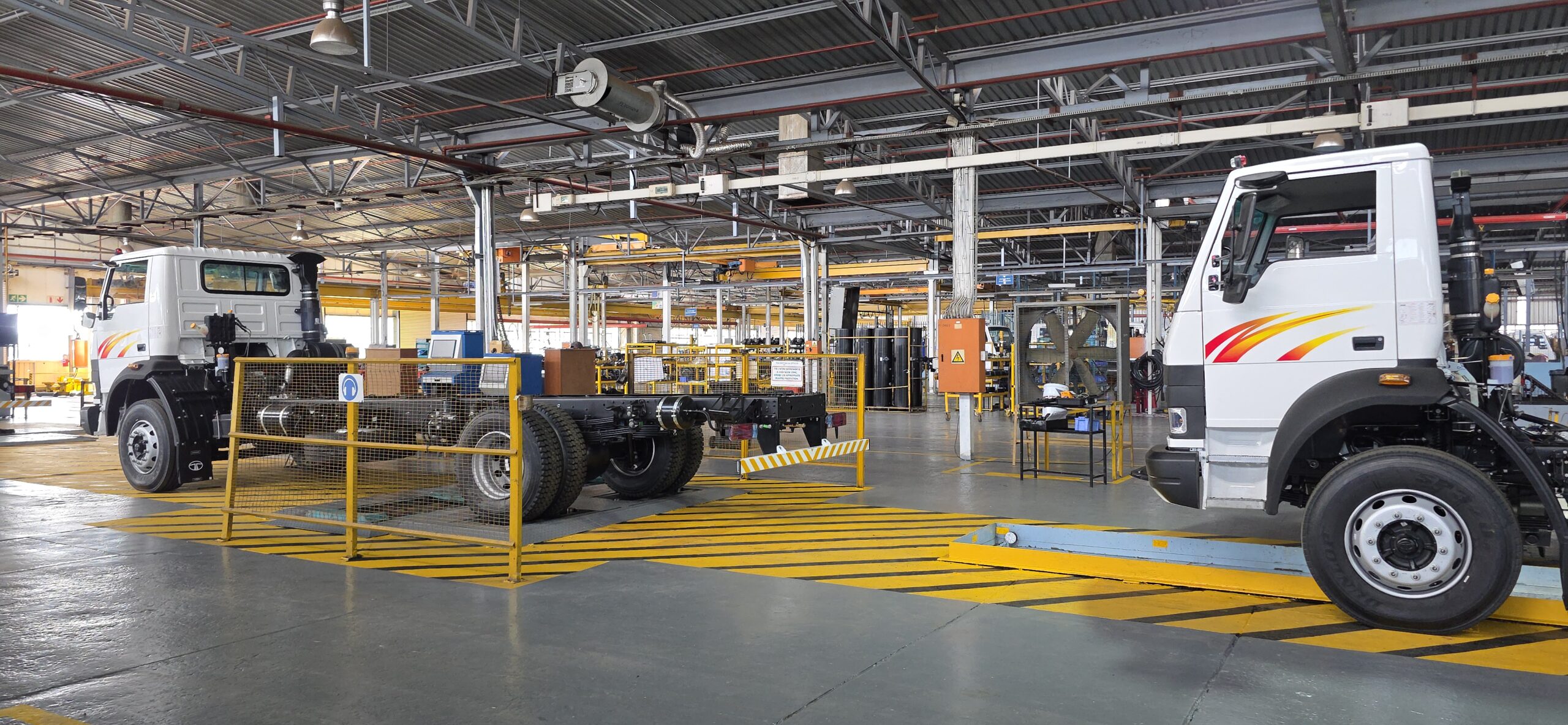
Established in 2011, the assembly facility in Rosslyn has played a key role in localising commercial vehicle production in South Africa. The facility spans approximately 35 000 square metres and has an installed annual capacity of over 2 200 vehicles, with flexibility to scale up in line with market demand.
It assembles a range of Tata Motors commercial vehicles, including the Ultra, Prima and LPT ranges, as well as Tata Daewoo models which, I was told, has been vastly improved over the introductory Maximus models which were lousy in many respects.
Built to modern manufacturing standards, the Rosslyn plant integrates structured quality processes, rigorous inspection systems and contemporary assembly practices to ensure consistent product excellence. The facility reflects Tata Motors’ global focus on quality, durability and operational efficiency, while remaining responsive to the specific needs of the local market.
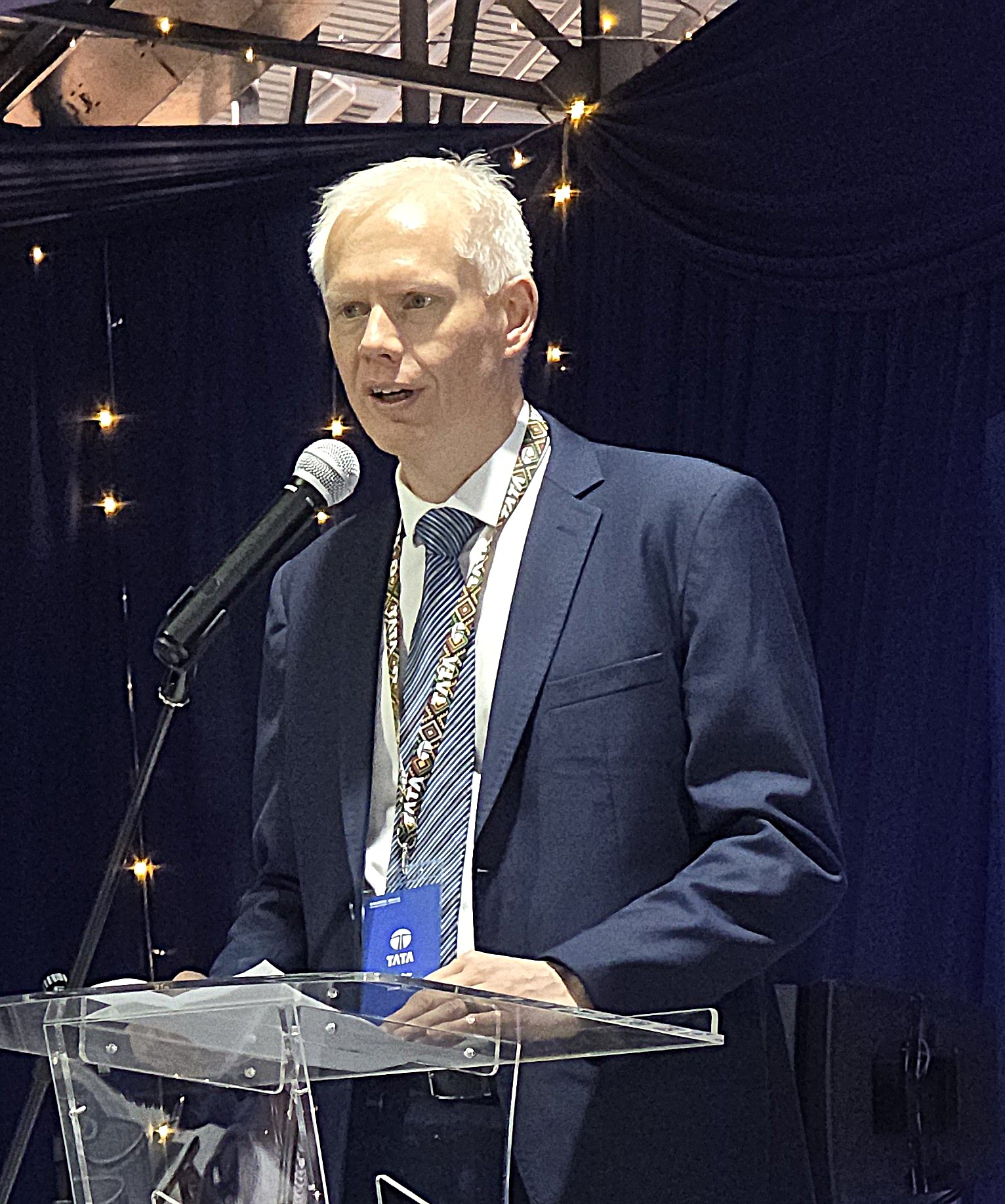
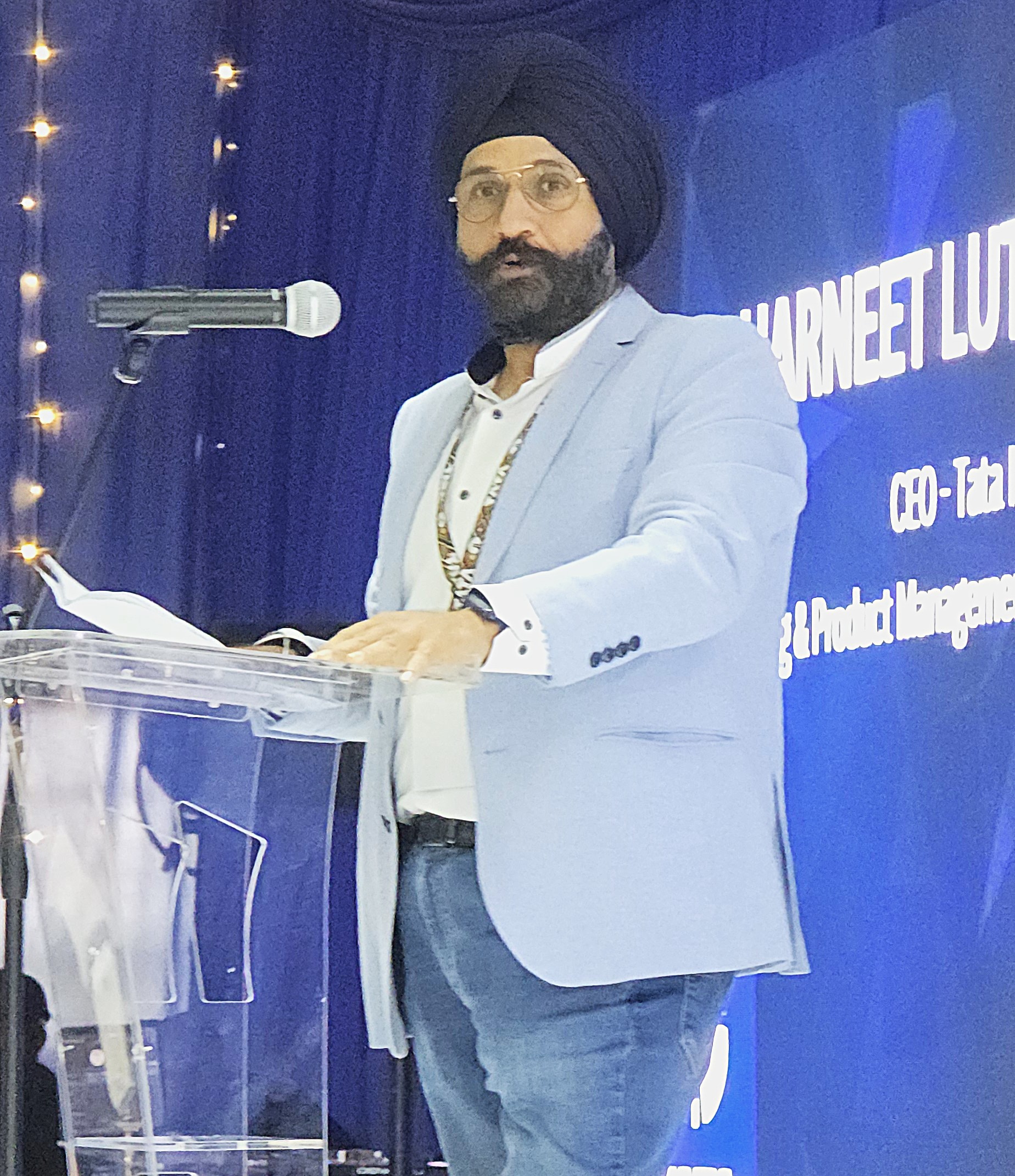
Speaking at the milestone event, Jacques Taylor, Managing Director of Tata Africa Holdings (Distribution), said: “Today’s milestone reflects more than production scale. It represents the progress we have made together with our employees, partners and customers over many years. Facilities like these demonstrate how sustained investment in local capability, skills development and operational excellence can create meaningful impact within the industries and communities we serve.”
Tata Africa and Tata Motors Commercial Vehicles continues to expand and strengthen its dealer footprint across South Africa, improving accessibility to its portfolio and aftersales support. In parallel, Tata Motors Commercial Vehicles remains focused on enhancing parts availability and service capability, ensuring maximum vehicle uptime for customers operating in cost-sensitive and performance-driven logistics environments.
The celebration was a jovial affair where in-between speeches, a choir entertained guests with some lively songs and gum-boot dances. They were brilliant and what warmed my heart is that the choir was made up of members of staff from the production plant. It is obvious that there’s a happy crew working here and that’s another plus I missed in my initial scepticism of Tata’s long-term plans. The company has provided locals with employment – much needed in today’s high unemployment environment.
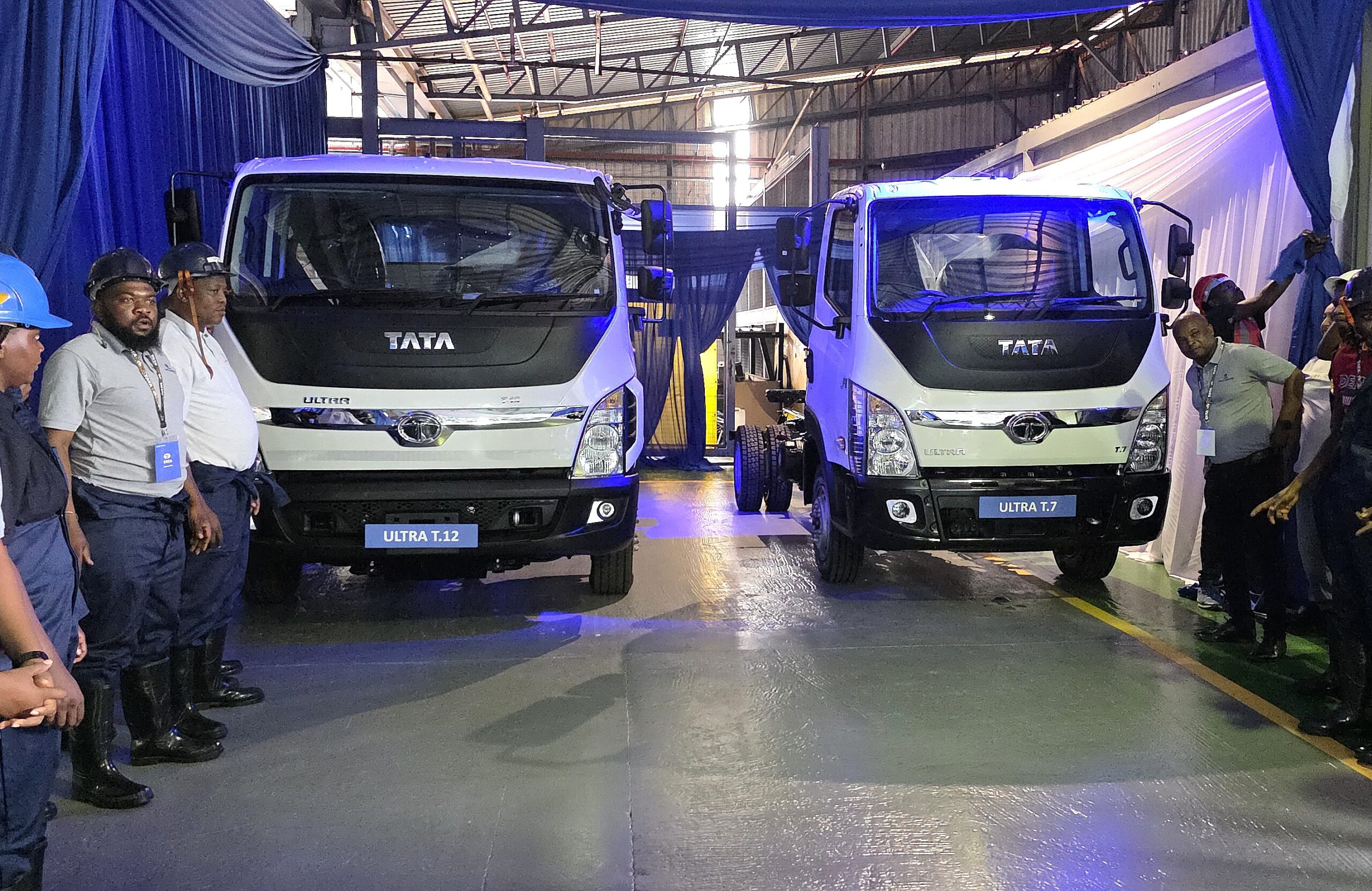
Apart from the milestone production celebration, the occasion was also used to give a preview of the two new models that will expand the range of Ultra offerings to the South African market. They are the Ultra T.7 and the Ultra T.12 models. And good-looking units they are.
During the proceedings, I looked around for the elderly consultant gentleman who I bet that plate of prawns to all those years ago. He wasn’t there. So, anyone from Tata who’s up for a plate of prawns, give me a shout. It’s on me. And a big congratulations on the production of your 12 000th truck.
Click on photographs to enlarge