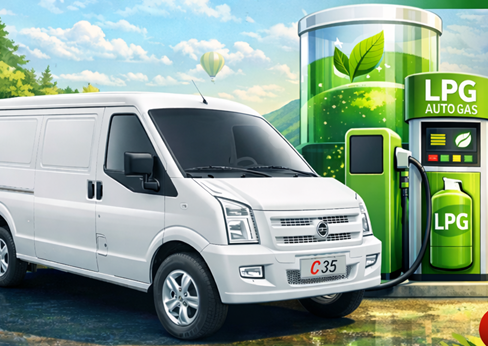
As rising fuel prices continue to squeeze margins across South Africa’s delivery economy, DFSK South Africa has introduced an LPG Autogas conversion for its petrol-powered engines, aimed squarely at short-haul operators seeking immediate cost relief. The dual-fuel solution targets high-frequency, urban delivery cycles where vehicles rack up mileage quickly and where fuel spend has a direct and often decisive impact on profitability.
Positioned across its petrol vehicle range, the dual-fuel system enables operators to reduce running costs without fundamentally changing how their fleets operate.
“Fuel prices are not coming down anytime soon and expecting our customers to absorb those costs is not a strategy,” says Gina Giani, CEO of DFSK South Africa. “We’ve made a clear decision – we will not let high fuel costs stop our customers from being competitive.”
Built for the demands of urban delivery
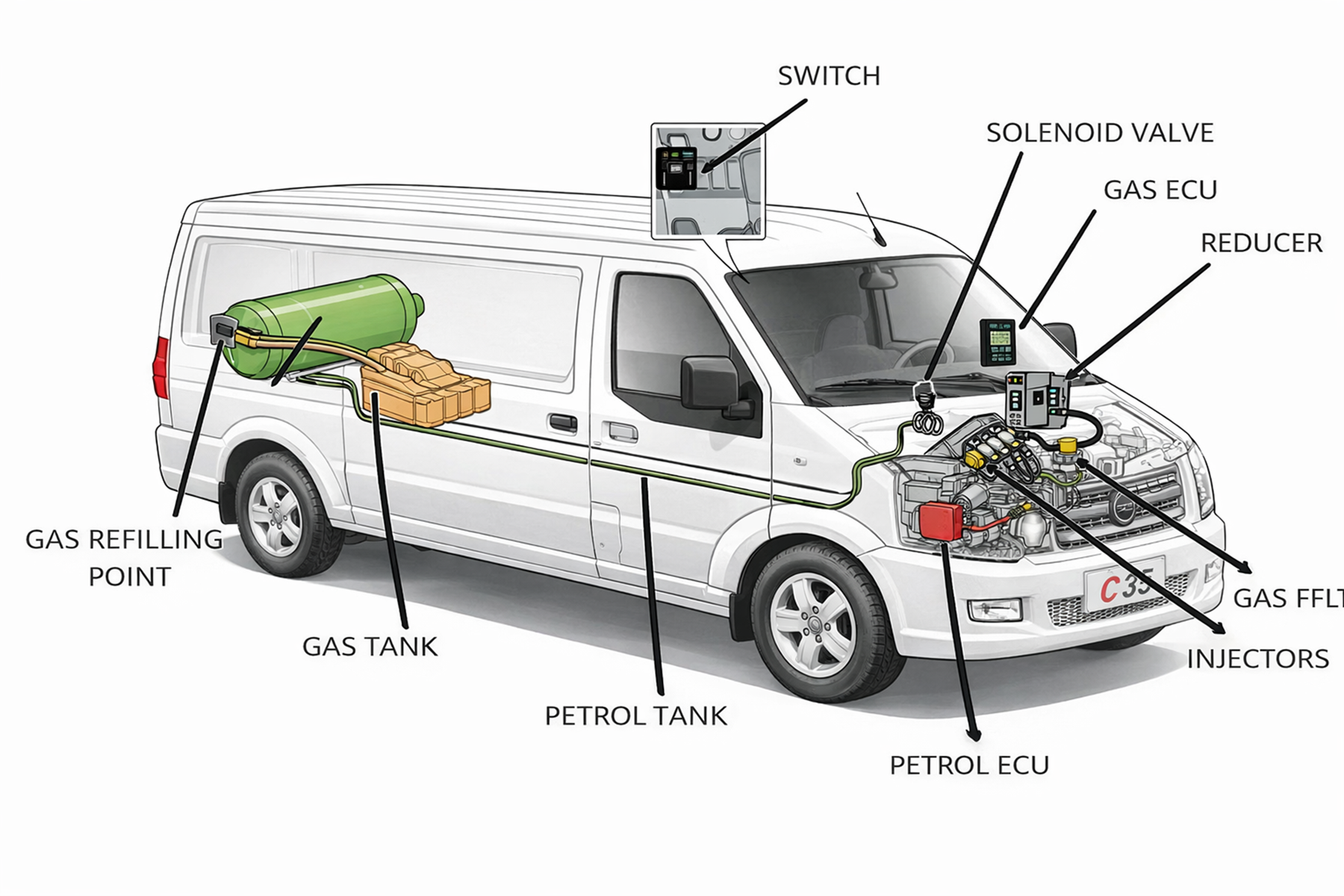
The LPG Autogas system allows vehicles to run on both petrol and LPG, with seamless switching between the two fuels. For short-haul delivery work – typically defined by stop-start driving, predictable routes and frequent depot returns – this offers a practical balance between cost efficiency and operational continuity.
DFSK South Africa cites fuel savings of between 30% and 50%, with a return on investment expected within six to 12 months. Unlike fully electric alternatives, the system avoids charging downtime, while also sidestepping the range constraints that can complicate route planning.
At the same time, the conversion is fully approved and does not affect the vehicle warranty, with LPG’s cleaner combustion potentially contributing to reduced engine wear, adds Giani.
Practical economics over long-term transition
The company expects strong interest from fleet operators, SMEs and high-mileage users operating in urban and peri-urban environments. In these segments, the emphasis remains firmly on cost control and uptime, rather than long-term technology shifts.
While electric vehicles continue to form part of the broader mobility transition, DFSK South Africa maintains that many operators require solutions that deliver immediate, measurable benefits within existing operational frameworks.
The LPG Autogas conversion will be rolled out through DFSK South Africa’s dealer network, with availability for both new and existing vehicles. Customers will also be able to include the conversion in vehicle finance agreements, improving accessibility for cost-sensitive operators.
“EVs have their place, but for many customers today, the barriers are still too high – from pricing to infrastructure. What we’re offering is a solution that works right now – immediate savings, practical usage and no compromise on daily operations,” Giani concludes.
Editor’s comment: Short-haul and last-mile deliveries are where incremental efficiency gains can quickly translate into bottom-line impact. DFSK South Africa’s LPG–petrol strategy is tightly aligned to this reality. Rather than chasing wholesale change, DFSK’s LPG-petrol engine focuses on optimising the vehicles already doing the work, offering a lower-cost operating model without disrupting established delivery patterns. For fleets navigating thin margins in urban logistics, that kind of targeted intervention may prove both timely and effective.
Click on photographs to enlarge.