Sponsered Blog
In long-distance transport operations, performance is rarely defined by a single factor. For fleet operators, true long-haul performance is the result of three interconnected priorities: safety, sustainability and cost control, states Leader Tread, whose long-haul truck and trailer retread portfolio is designed to deliver consistent performance over extended distances while reducing cost per kilometre (CPK) and maximising casing reuse under real Southern African conditions.
Heavy-duty truck tyres, particularly in trailer and high-mileage applications, are both safety- and cost-critical items. Leader Tread positions its long-haul retreads to meet these demands, delivering predictable wear, extended casing life and total lifecycle efficiency across Southern Africa’s busiest freight corridors.
“Truck tyre retreading has evolved from a short-term cost-saving measure into a strategic fleet decision,” states Leader Tread, adding that tyre value is increasingly being defined by proven operational metrics rather than headline mileage claims.
“Long-haul performance is about outcomes, not promises,” the company says. “If a tyre cannot perform consistently across heat, distance and load, it fails the fleet long before it reaches the end of its tread.”
Truck tyre retreading has evolved from a short-term cost-saving
measure into a strategic fleet decision.
Safety built into the design
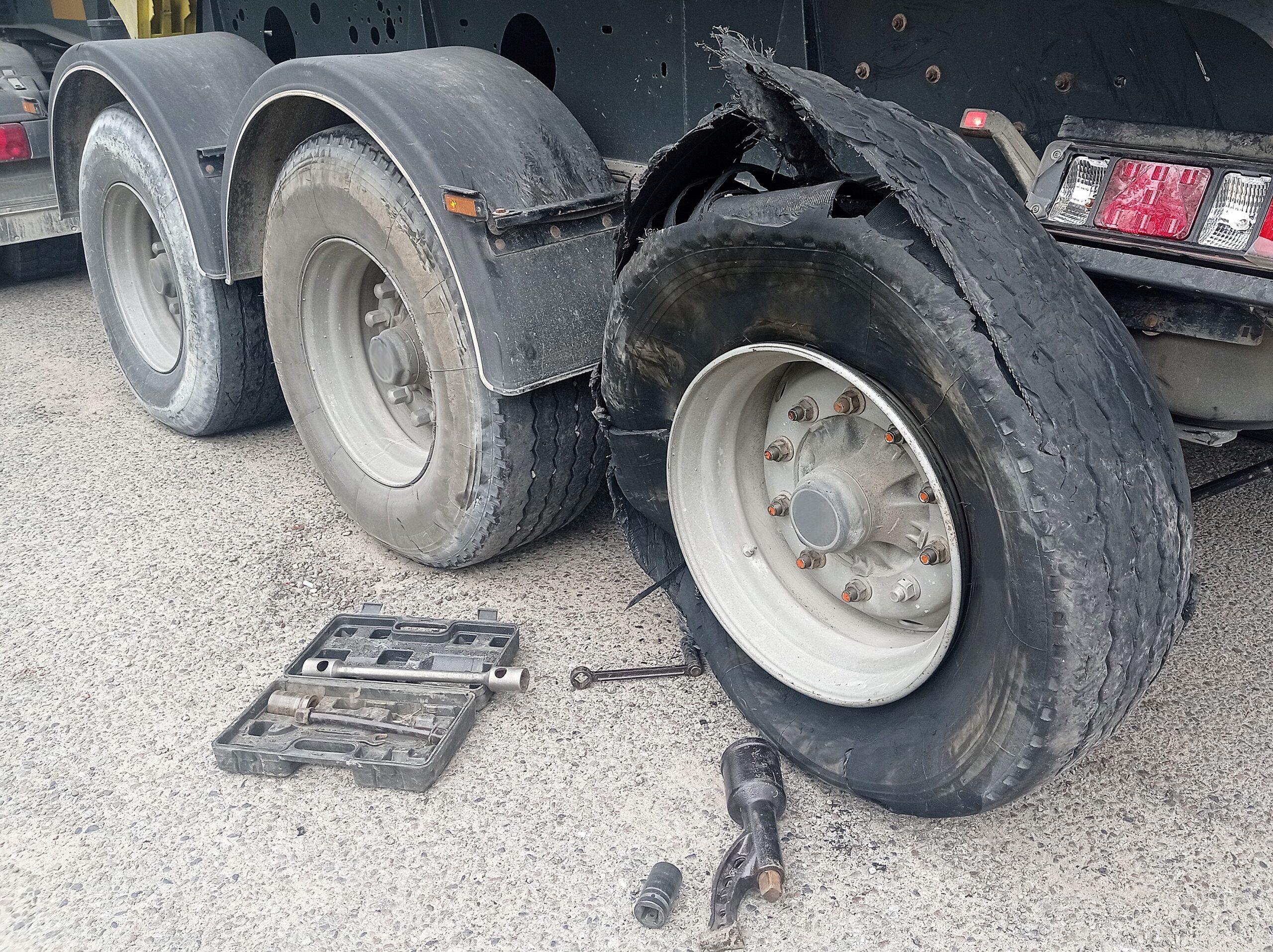
In regional long-haul operations, tyre integrity is directly linked to fleet uptime and road safety. Trailer tyre failures can result in unplanned downtime, secondary equipment damage and serious safety incidents, particularly on high-speed national and cross-border routes.
Leader Tread says safety is engineered into its retread designs from the outset. “We focus heavily on casing protection, tread stability and predictable wear,” the company explains. “In Southern Africa, tyres are exposed to sustained heat and long duty cycles. Any instability is amplified over distance.”
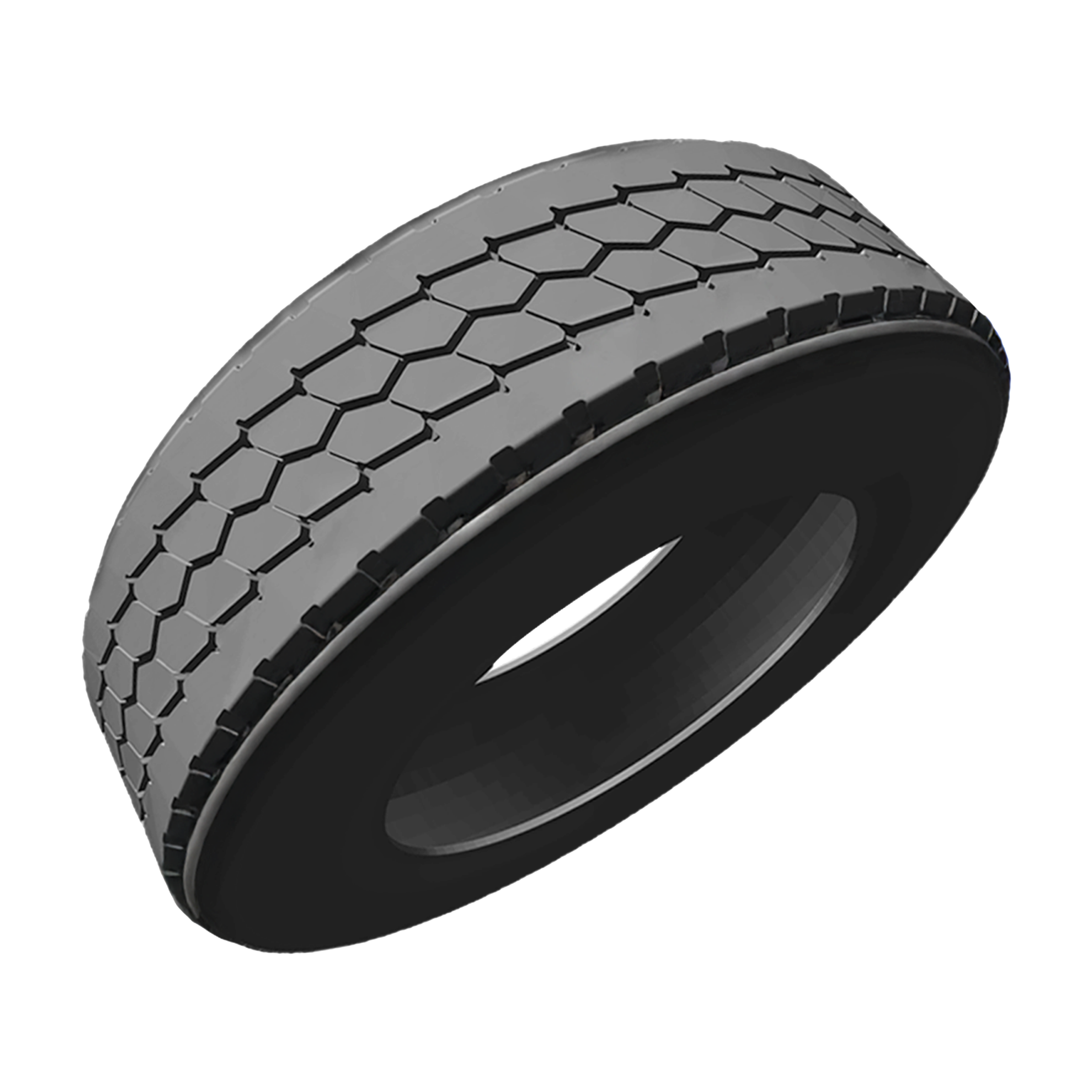
According to the company, tread patterns are designed to promote even footprint distribution and stable handling while supporting effective water dispersion during sudden weather changes. Defined groove geometry and stone-ejection features are intended to reduce debris retention and casing damage on routes where road conditions can vary significantly.
“Protecting the casing is fundamental,” Leader Tread notes. “A damaged casing is not only a safety risk, but also a lost lifecycle opportunity.”
Sustainability through extended service life
In the Southern African road freight sector, sustainability is increasingly driven by operational efficiency rather than regulation alone. With rising input costs and constrained margins, extending tyre service life has become one of the most practical ways fleets can reduce environmental impact while protecting profitability.
Leader Tread frames retreading as a central component of a circular tyre lifecycle aligned to regional realities. “Retreading allows fleets to extract maximum value from a casing instead of relying on continuous replacement,” the company says. “That reduces material consumption and limits exposure to volatile import costs.”
“Heat is one of the biggest enemies of tyre life in this region.”
Technical emphasis is placed on durability, controlled wear and thermal management. The company explains that tread designs supporting cooler running temperatures and even wear patterns help preserve casing integrity, increasing the likelihood of multiple successful retread cycles.
“Heat is one of the biggest enemies of tyre life in this region,” Leader Tread adds. “Managing it effectively improves safety, sustainability and long-term cost outcomes.”
Savings measured in cost per kilometre
While safety and sustainability are critical, fleet decision-making ultimately centres on financial performance. Cost per kilometre remains the dominant benchmark, particularly in trailer positions where tyres are expected to deliver high mileage with minimal intervention.
Leader Tread says its long-haul retread strategy is built around predictable wear rates and extended service intervals. “Predictability allows fleets to plan maintenance around routes, loads and turnaround times,” the company explains. “That matters when vehicles are covering long distances between depots.”
Reduced rolling resistance and stable tread performance are cited as contributors to incremental fuel efficiency gains, an increasingly important consideration as fuel prices continue to pressure regional operators. Consistent wear patterns also reduce the risk of premature removals driven by irregular tread behaviour on mixed-quality road networks.
“Looking only at purchase price misses the real picture,” the company says. “Total lifecycle value includes fuel impact, maintenance demand and casing reuse, not just kilometres travelled.”
Designed for real-world Southern African conditions
Southern African long-haul routes expose tyres to sustained running times, heavy loads, uneven surfaces and frequent debris. These conditions place continuous stress on tread design, compound selection and manufacturing consistency.
Leader Tread says its development process prioritises real-world application feedback from fleets operating under these conditions. “Our designs are shaped by how tyres perform day after day on actual routes, not idealised environments,” the company explains.
Incremental gains in design consistency and quality control, the company argues, deliver measurable benefits when multiplied across thousands of kilometres and multiple vehicles.
“Small improvements become significant when they are repeated across an entire fleet, and that is where true long-haul value is built,” says Leader Tread.
“Looking only at purchase price misses the real picture.
Total lifecycle value includes fuel impact, maintenance demand and
casing reuse, not just kilometres travelled.”
Long-haul aligned
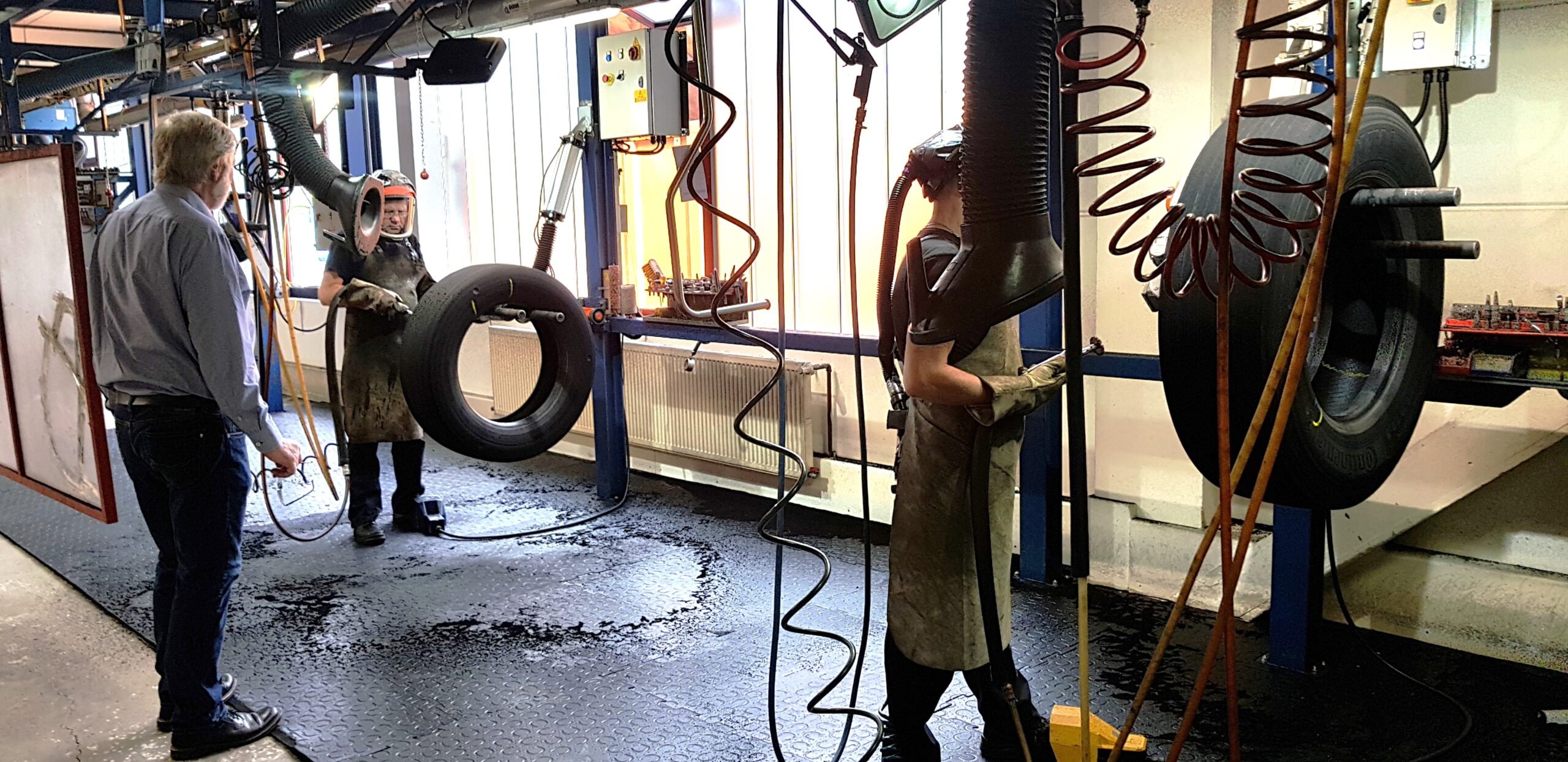
Retreading is no longer viewed as a compromise in Southern African truck fleet operations. When supported by disciplined manufacturing processes and appropriate design, retreads can deliver performance aligned with the demands of long-haul transport.
Leader Tread positions its long-haul retread offering around a clear operational objective: “Our focus is simple,” the company concludes. “Keep fleets moving safely, extend casing life and deliver measurable savings over distance.”
For further information: www.leadertread.co.za