As far as emissions standards go, Euro 5 is not new to South African truck fleets. Many operators have been running Euro 5-compliant units for some time as part of the gradual shift toward cleaner diesel technology. What is new, and accelerating fast, is the integration of smart technologies including AI-driven safety systems, video telematics and predictive fleet intelligence. In that context, Engen’s latest investment proves that emissions compliance is only the starting point. Intelligent oversight is now the differentiator.
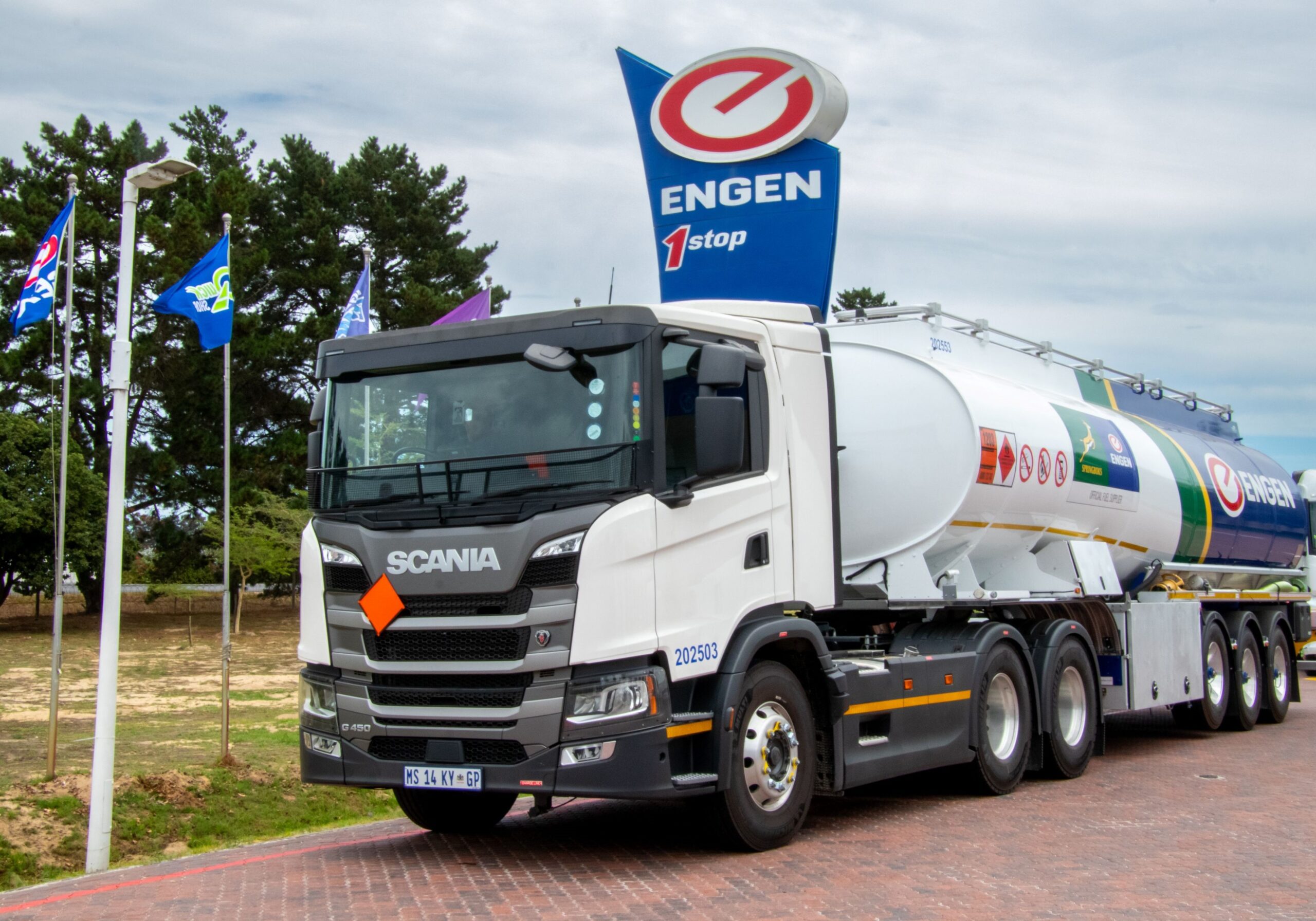
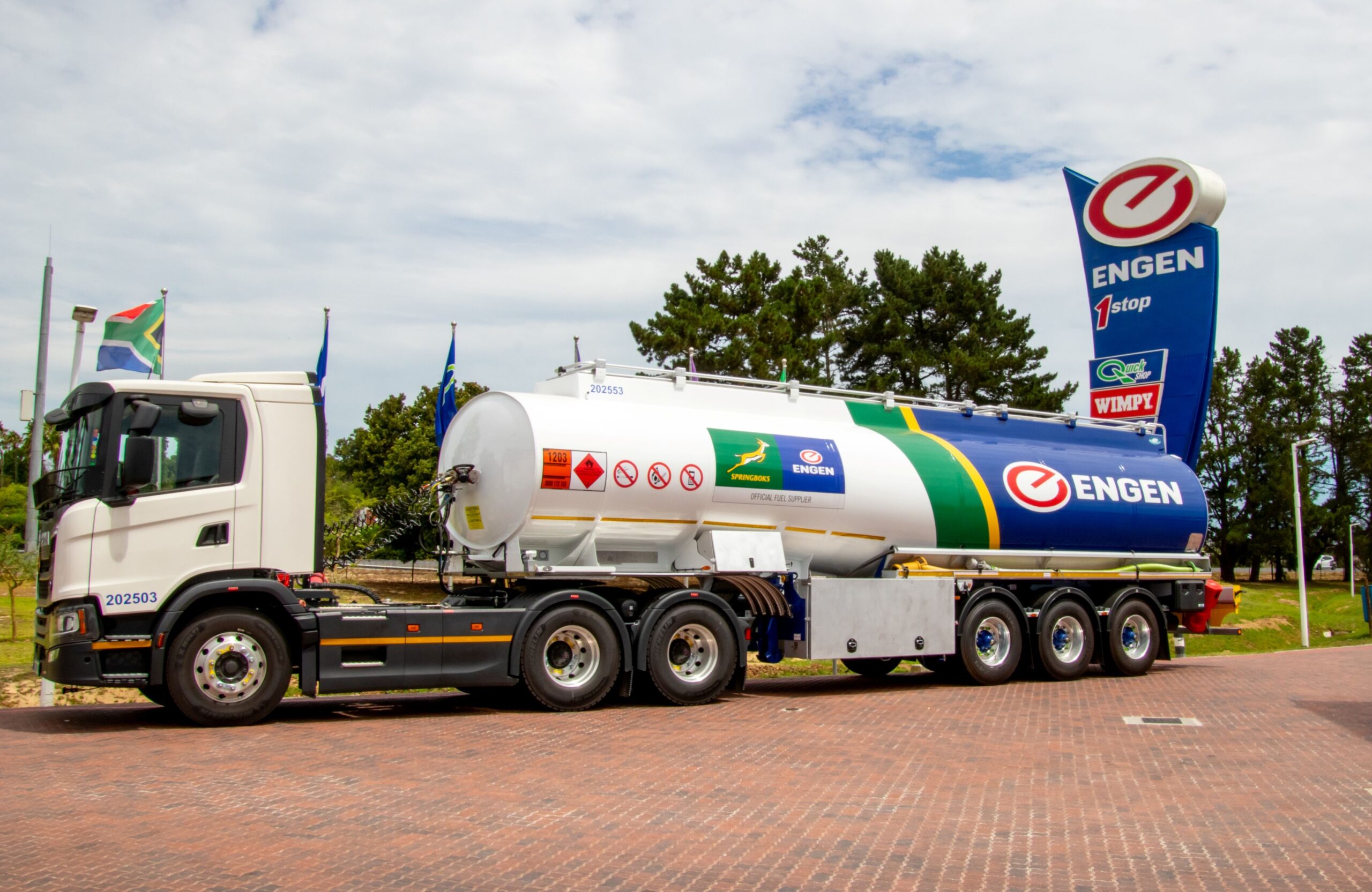
Against a backdrop of tightening ESG expectations, rising operating costs and heightened risk exposure in hazardous goods transport, Engen has added 30 lower-emission trucks to its national fleet.
The investment forms part of the company’s Own Fleet Lifecycle Management Programme, reinforcing operational resilience while strengthening safety, efficiency and environmental performance across its logistics network.
Emissions performance meets operational discipline
The new Euro 5 fuel-specification vehicles are designed for both short- and long-haul fuel distribution. Equipped with advanced engine management systems, improved fuel-efficiency technology and emissions-reduction solutions, the trucks support cleaner exhaust output and enhanced reliability.
According to Les Moodley, General Manager: Operations at Engen: “Our fleet plays a critical role in ensuring reliable fuel supply across South Africa. This investment future-proofs our transport operations through smarter technology, enhanced safety systems and lower emissions, while maintaining the high standards our customers and partners expect from Engen.
“By continuously renewing and optimising our fleet, we are strengthening supply chain resilience and reinforcing our commitment to responsible, efficient operations.”
A core component of the specification is Euro 5 emissions technology supported by Selective Catalytic Reduction (SCR) systems and AdBlue, significantly reducing nitrogen oxide emissions while allowing engines to operate at optimal performance levels.
Jason Heath, General Manager: Lubricants at Engen, underlines the role of advanced fluids in supporting this transition: “Modern engine technology demands equally advanced solutions. AdBlue and high-performance lubricants contribute to reduced emissions, improved fuel efficiency and extended engine life. This investment reflects how Engen integrates technology, products and operational expertise to deliver more sustainable transport outcomes without compromising performance.”
AI and video tech redefine safety oversight
Where Engen’s fleet stands out is in the integration of advanced risk-mitigation and driver-assist technologies. Electronic braking systems, stability control, traction management and predictive cruise control enhance vehicle stability and reduce driver fatigue in demanding operating conditions.
More significantly, the fleet incorporates Advanced Driver Assistance Systems using AI-powered cameras and sensors to monitor vehicle surroundings in real time.
Automatic emergency braking, lane-keeping assist and collision warnings form part of a layered safety architecture designed to prevent incidents before they occur.
To strengthen oversight, Engen has deployed a sophisticated In-Vehicle Monitoring System across the fleet. Real-time visibility extends to vehicle location, route tracking, harsh braking events, rapid acceleration, engine performance, idling time, driving hours and fatigue indicators.
Multiple internal and external cameras provide 360-degree visibility, with AI-driven systems analysing driver alertness and vehicle behaviour and issuing alerts where potential risks are identified.
In the fuel distribution environment – where compliance, safety and reputational risk are non-negotiable – this level of visibility is fast becoming the benchmark.
Lifecycle-led investment strategy
Jaco Henning, Engen Procurement Category Head: Transport & Products, confirms that the acquisition aligns with a structured lifecycle strategy: “Our Own Fleet Lifecycle Management Programme spans acquisition, operation, maintenance and replacement to ensure maximum value throughout a vehicle’s lifespan.
“These trucks were selected based on stringent technical, safety and efficiency criteria. Their advanced systems enable a shift towards predictive maintenance, improving uptime while reducing long-term operating costs and emissions.”
This shift toward predictive maintenance – enabled by telematics data and AI analytics – is increasingly central to cost control and uptime optimisation in modern fleets.
National pride, ESG alignment
Adding a distinctive national element, the new trailers carry Springbok branding, reflecting Engen’s sponsorship of SA Rugby and its connection to South African communities.
More importantly, the fleet expansion supports Engen’s broader ESG commitments by reducing transport emissions, improving safety standards and ensuring compliance with evolving regulatory requirements.
Euro 5 may not be new. But the convergence of emissions technology, AI-enabled monitoring and lifecycle-led procurement marks a decisive step forward.
“In a sector where risk exposure is high and margins are tight, Engen’s investment demonstrates that modern fleet management is no longer about trucks alone – it is about intelligent infrastructure engineered for resilience, safety and long-term performance,” Moodley concludes.
And while on the subject of Engen’s fleet, through a phased delivery, 27 GRW fuel trailers have joined Engen’s fleet. This combination of Bartec Q50 and Q39 fuel trailers is designed to handle both primary and secondary distribution, operating on long-haul and regional routes nationwide. Equipped with SPDS technology, fuel is electronically sealed, adding an extra layer of safety, security, and accountability throughout the journey.
GRW has a long-standing partnership with Engen built on shared values and a win-win mindset. It’s all about working together to keep South Africa moving.
Editor’s comment: As mentioned, Euro 5 compliance is not new in serious fleets. The competitive edge lies in how operators layer technology, data and lifecycle discipline on top of that base. Engen’s latest investment signals a mature understanding of this shift – using AI, video telematics and predictive analytics not as add-ons but as core risk-management tools. In hazardous goods transport, that mindset is essential. Cool move, Engen!
Click on photographs to enlarge.