According to industry indicators, 2026 is already shaping up to be a pivotal year in the bulk logistics industry, with trends emerging that influence how goods are moved across the country, from pit to port and across borders. Infrastructure investment, economic stability and increased investor confidence have set the stage for a more resilient bulk logistics sector in South Africa and across the region. As mining output increases and trade corridors expand, the bulk logistics sector is playing a more strategic role in supporting this growth.
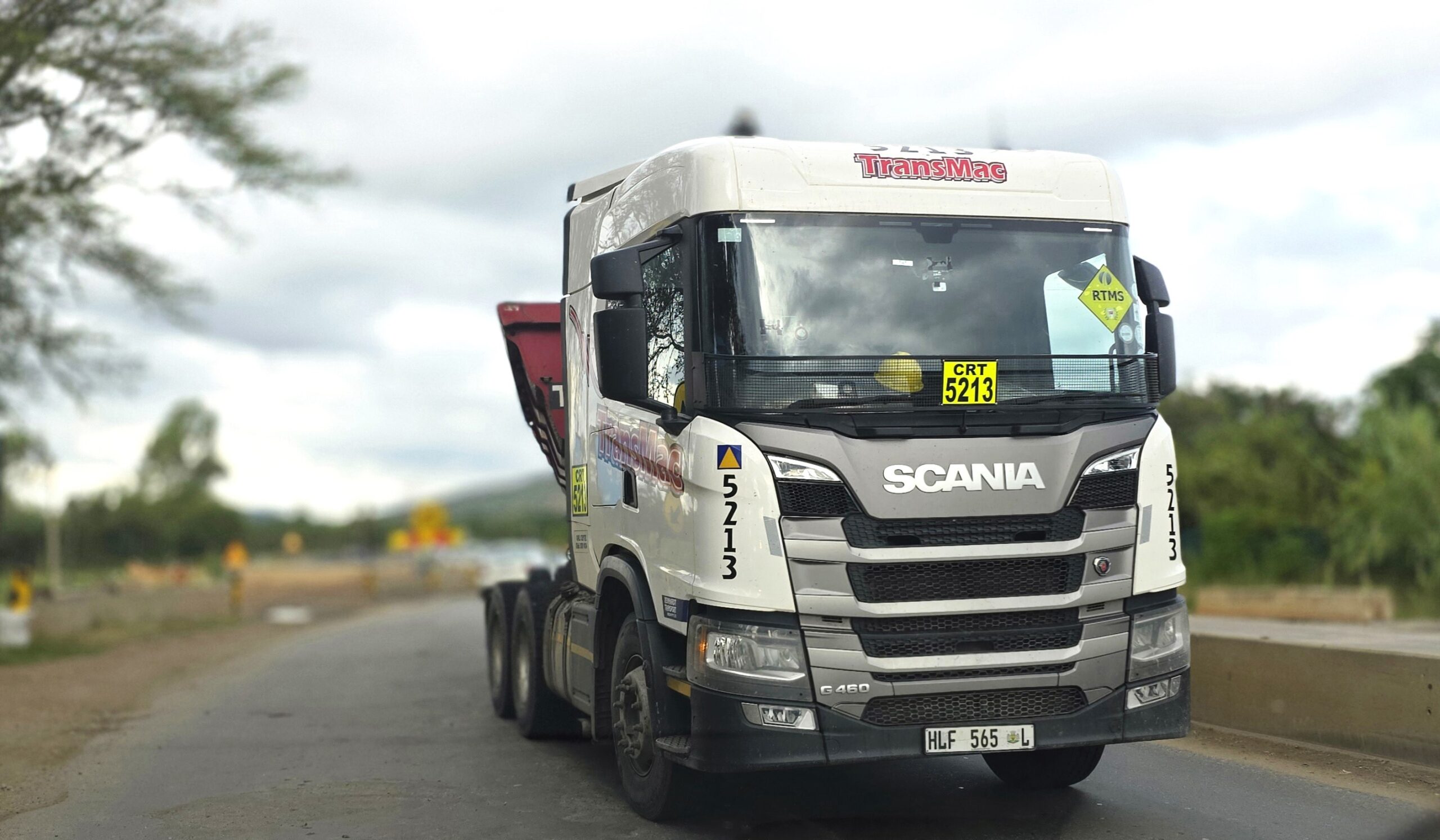
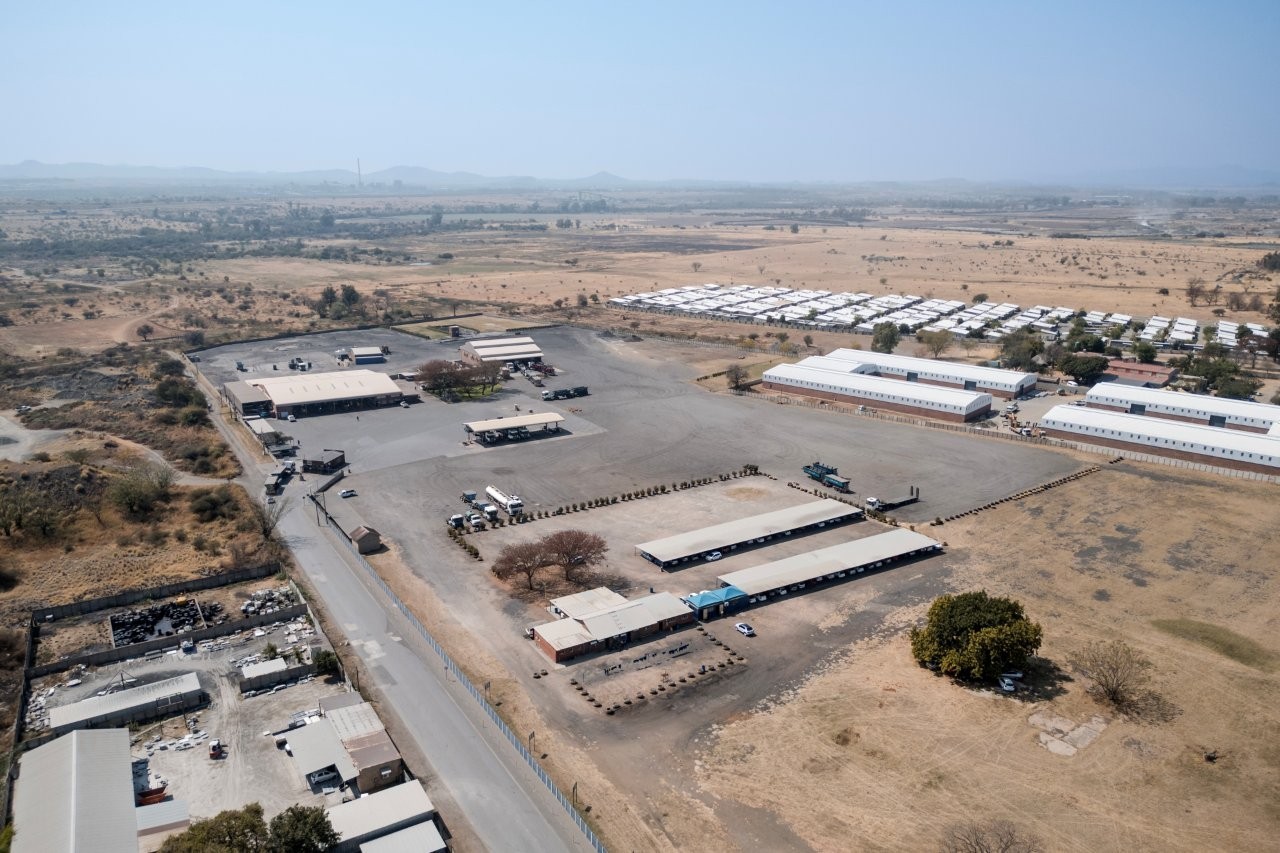
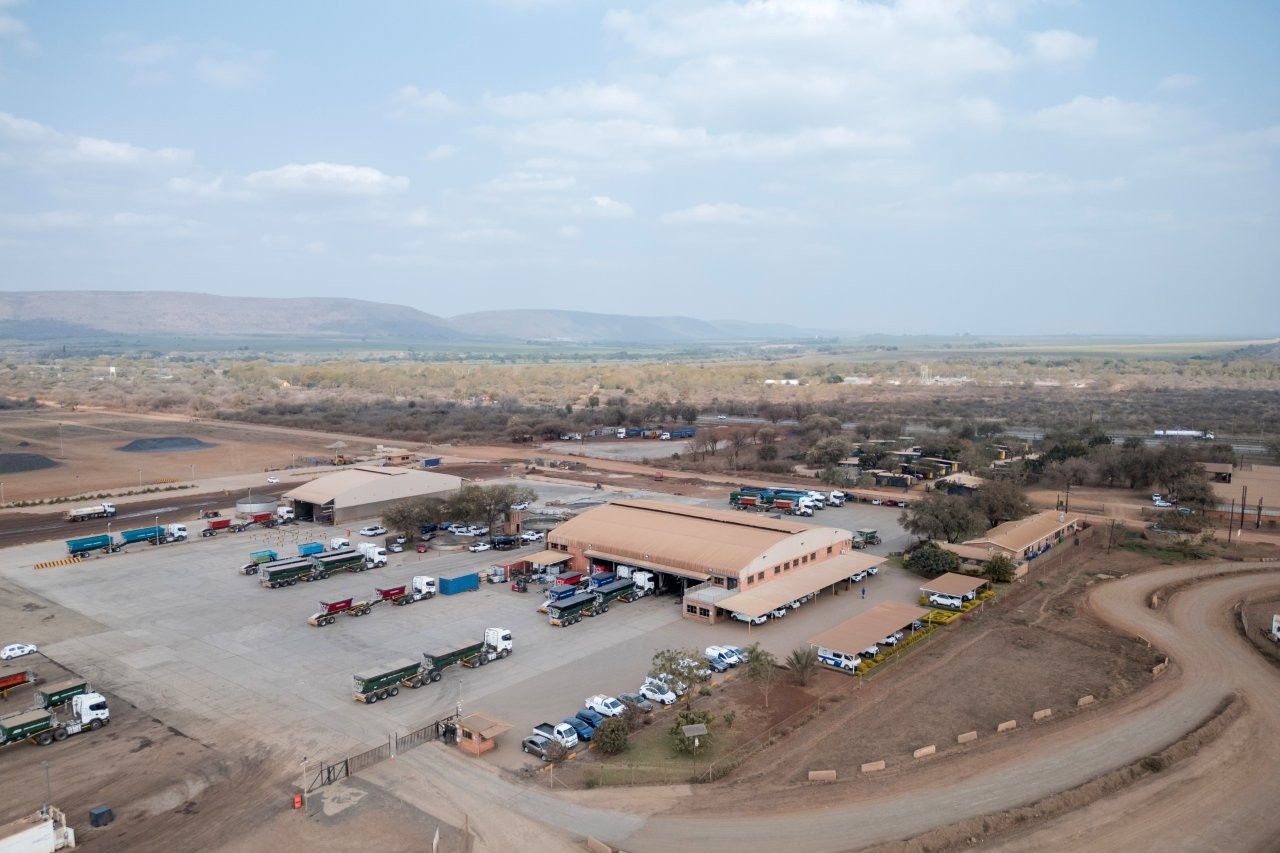
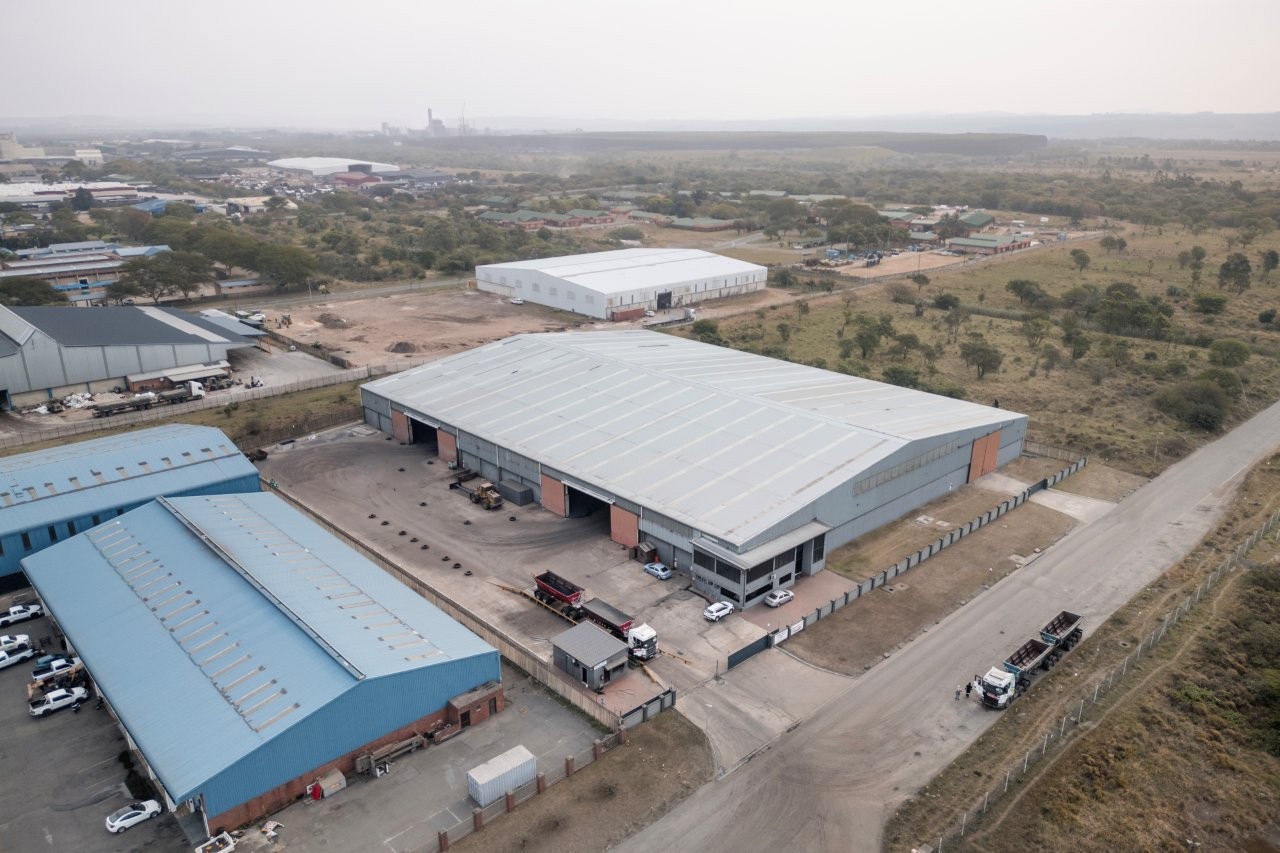
With this as background, the team from Reinhardt Transport Group (RTG) – one of Southern Africa’s largest and most established bulk logistics operators with a fleet of more than 1 000 specialised vehicles transporting over 18 million tonnes of bulk commodities each year – has outlined the four key trends they feel are set to influence this trajectory this year.
Coming from this group, the trends are worth noting for RTG has built a strong reputation as a trusted logistics partner to the mining, agriculture, construction and industrial sectors, with specialist expertise in commodities including chrome, coal, manganese, fertilisers and ferrochrome. Here they are….
Mining sector increases demand for local logistics
As the global appetite for key minerals – such as manganese, chrome, and lithium – continues to grow, reliance on the bulk logistics sector expands alongside it. Demand for critical minerals is expected to increase considerably by 2030 – and possibly quadruple by 2040 – and this growth will continue to place pressure on South Africa’s logistics networks, with demand for reliable delivery from mine to port. The ability to move bulk commodities efficiently is vital to unlocking long-term value in this sector.
Building supply chain resilience against climate volatility and infrastructure pressure
The recent floods in Limpopo and Mpumalanga are some of the many examples of extreme weather patterns only set to increase over the coming years. Adding in the ageing infrastructure and port congestion, logistical delays will become more commonplace if supply chain resilience isn’t addressed now.
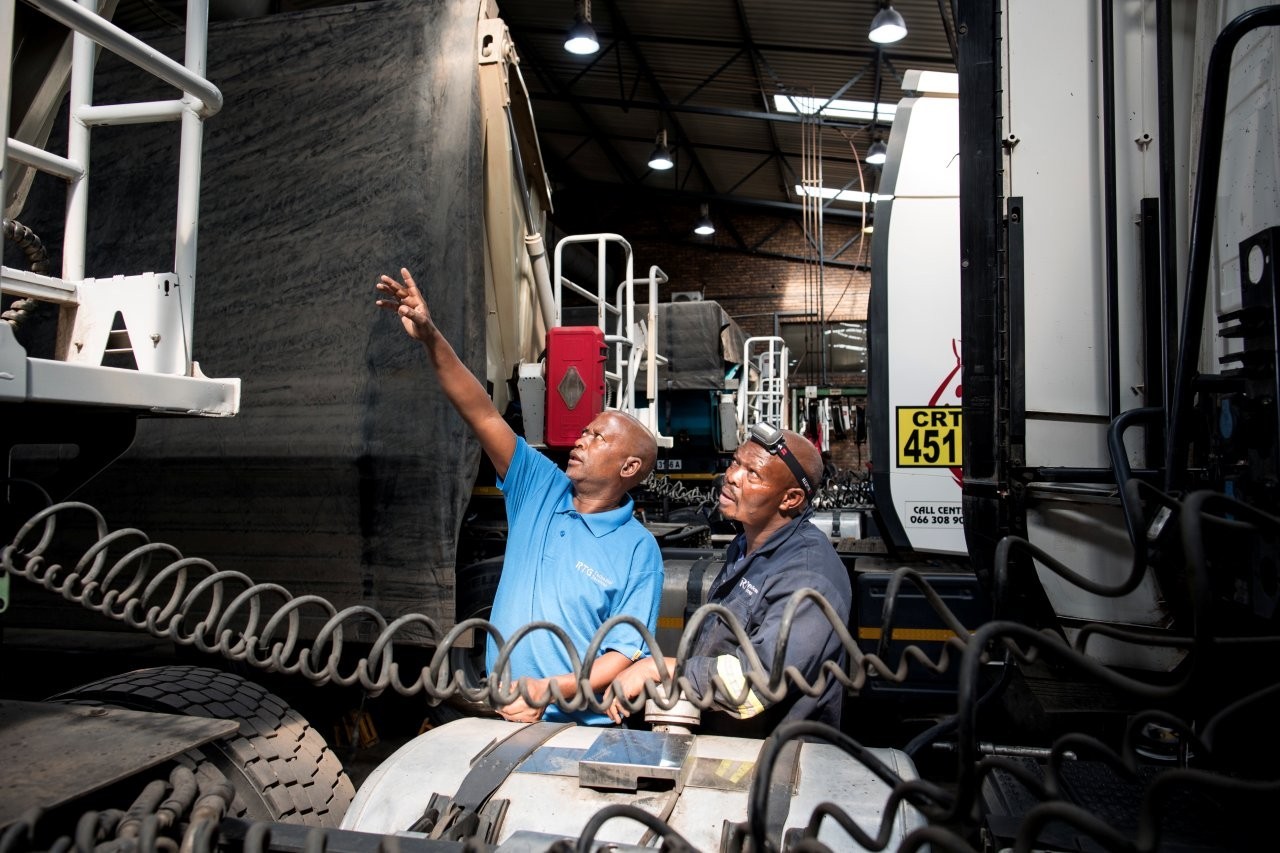
Across the bulk logistics sector, the need for in-house control and rapid response capabilities is becoming increasingly evident to ensure supply chains keep moving despite external challenges. Operators with full internal maintenance operations, certified multi-disciplinary technical teams, and 24-hour roadside assistance are better positioned to create resilient supply chains that safeguard delivery schedules.
Reinhardt Transport Group’s in-house technical services model reflects this broader industry shift toward greater operational control and resilience. Likewise, improvements in port efficiency, rail reliability and energy security remain critical to building long-term industry resilience.
Enhanced technological integration in logistics
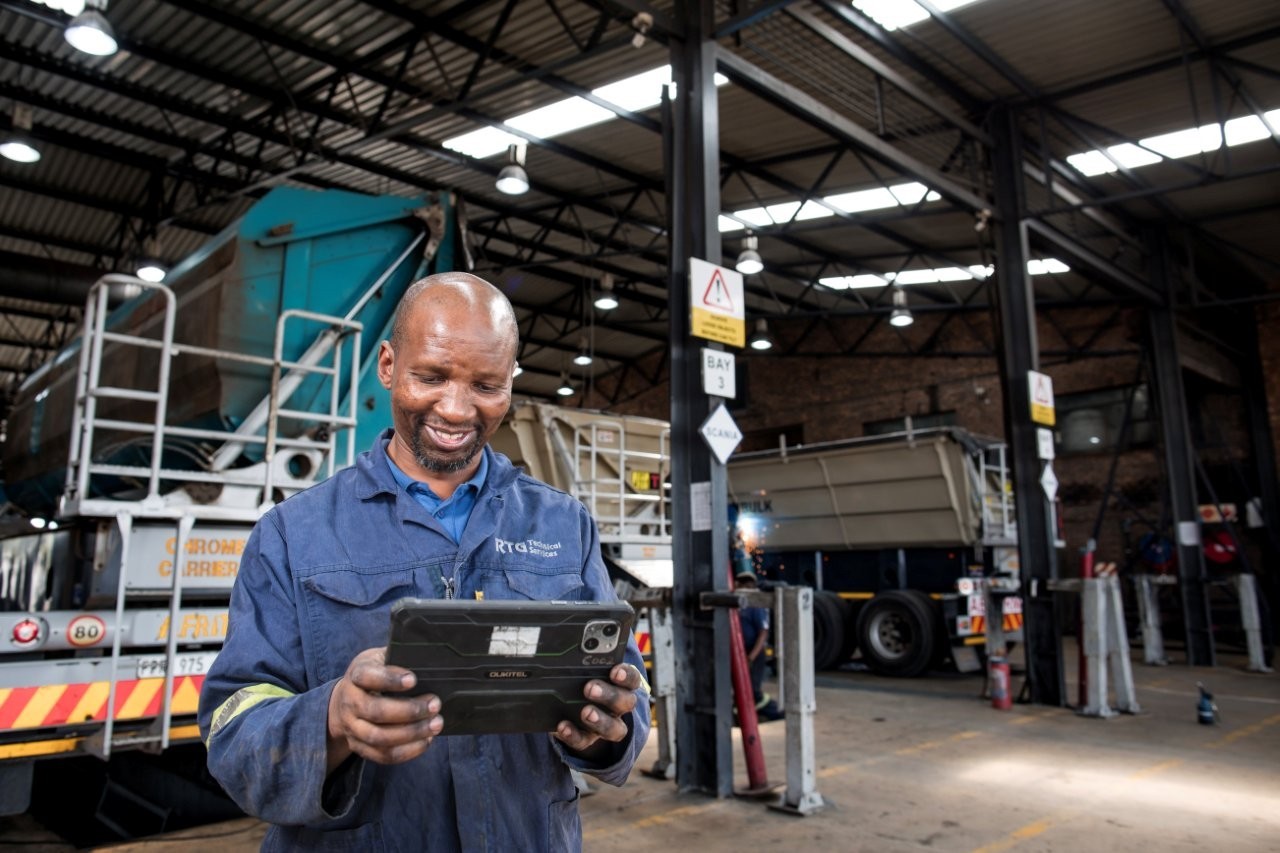
The adoption of forward-focused technology in the bulk logistics sector is now a necessity, with truck management systems, geofencing, employee tracking and live fuel monitoring, enabling data-driven decision-making. Artificial intelligence and IoT-enabled systems are optimising routes and predicting maintenance, preventing unnecessary breakdowns and schedule delays. Digital platforms used in the African Continental Free Trade Area are also reducing friction in cross-border trade by allowing faster customs processing and e-payments.
Across the sector, technology is transforming how bulk transport is managed, allowing operators to move from reactive problem-solving to predictive planning. Reinhardt Transport Group’s investment in integrated fleet management and monitoring systems reflects this broader shift toward data-led operational control, with measurable impacts on efficiency and competitiveness.
Environmental accountability now a practical operational requirement
The world has shifted from environmental performance as an ‘added value’ to a central theme across all operations. Globally, there is increasing demand from customers, investors and regulators for industries to display transparency in their carbon emissions and resource efficiency.
Reinhardt Transport Group cites practical interventions such as fuel-efficient tyre systems, optimised fleet utilisation and water recycling bays across depots as contributing to measurable reductions in carbon emissions – with 10,962 tonnes cut by the organisation in 2024 alone. Companies are now required to do more than just pledge and this is particularly evident in the bulk logistics sector. Environmental accountability is a regulatory condition, customer demand and a bottom-line requirement.
As South Africa continues to position itself as the gateway to continental trade, the bulk logistics sector is emerging as a key player in establishing sustainable growth.
Editor’s Comment: In last week’s newsletter comment, I mentioned that many transport companies had to park off their trucks during the Covid era. The Reinhardt Transport Group was one of those companies. At one stage, it had around – are you ready -180 trucks parked off, standing idle in the yards not earning a penny. And, unlike many failed SOEs which, due to mismanagement, corruption and total incompetence have received billions in bail-out funds over the years, trucking companies like the RTG received no ‘bail-out’ funds from Government for the lost revenue during Covid. They had to recover on their own.
If ever there was a company which proves that the trucking sector is the backbone of supply chains, it is the Reinhardt Transport Group which has adapted to extraordinary pressures, absorbed repeated shocks and continues to move the country forward. If South Africa is serious about economic growth, then enabling efficient, safe and reliable road freight movement must be a strategic priority. Certainly, long-term efforts to revitalise rail and ports are essential but equal attention must be given to maintaining and improving the operating environment for transport operators. FleetWatch salutes the Reinhardt Transport Group for its continued contribution to keeping the wheels of South Africa moving – and the economy alive.
Click on photographs to enlarge