As the voice of South Africa’s road freight sector, the Road Freight Association (RFA) represents thousands of operators responsible for moving the bulk of the country’s goods – linking ports, railheads, warehouses, retailers and manufacturers across the economy. Its members sit at the coalface of logistics dysfunction and reform alike. In response to President Cyril Ramaphosa’s 2026 State of the Nation Address (SONA), RFA Chief Executive Gavin Kelly has delivered a pointed assessment of what was said – and, critically, what was not – about the future of logistics. Here is Kelly’s opinion piece.
SONA 2026 and the state of logistics in South Africa
The Association listened with keen ears and bated breath for the waypoints to be listed by President Ramaphosa following his creation some 18 months ago of the National Logistics Crisis Committee (NLCC), formed solely to address the collapse of the state-controlled infrastructure and operations of the country.
One would have thought, at least, that the President would have read the reports that dutifully came across his desk during 2025 – and that the massive steps that had been taken (well there was massive spending, so…) would at least have been outlined.
That would have given an “easy” follow-through to the next steps that would be happening (with timelines) – not just wide cursory references to what was planned. In that approach, there is no change at all. Vast generalisations of where we (could) be heading and what is planned.
There is no doubt that the country faces four major challenges – water, electricity, crime and the movement of goods and people efficiently and effectively around and through the country to underpin economic activity (development, growth, sustainability and inclusion).
While some comments were made around singular events, there were many aspects that have remained in the background and are not brought into the light for sharp review – and repair/correction (specifically from a road freight perspective):
(1) Challenges in the labour (employment) environment:
- Severe shortage of experienced and new drivers due to the poaching of experienced and “incident free” drivers by countries around the world (and in the African region);
- An aging workforce (common ages for drivers are the higher 40s and into the 50s).
(2) Poor management of work and rest periods (there have been some horrendous cases during 2025);
- Intrusion by systems that undermine rates and routes;
- Increasing health issues (vision, hypertension and stress, diabetes and obesity) due to aging drivers, long hours and conditions on the road;
- High cost of skills development & basic training;
- Reliable/dependable driver burnout (overused);
- Lack of appetite from younger generation to follow a career as a freight driver.
- Retaining the experienced drivers (find opportunities “outside” the sector).
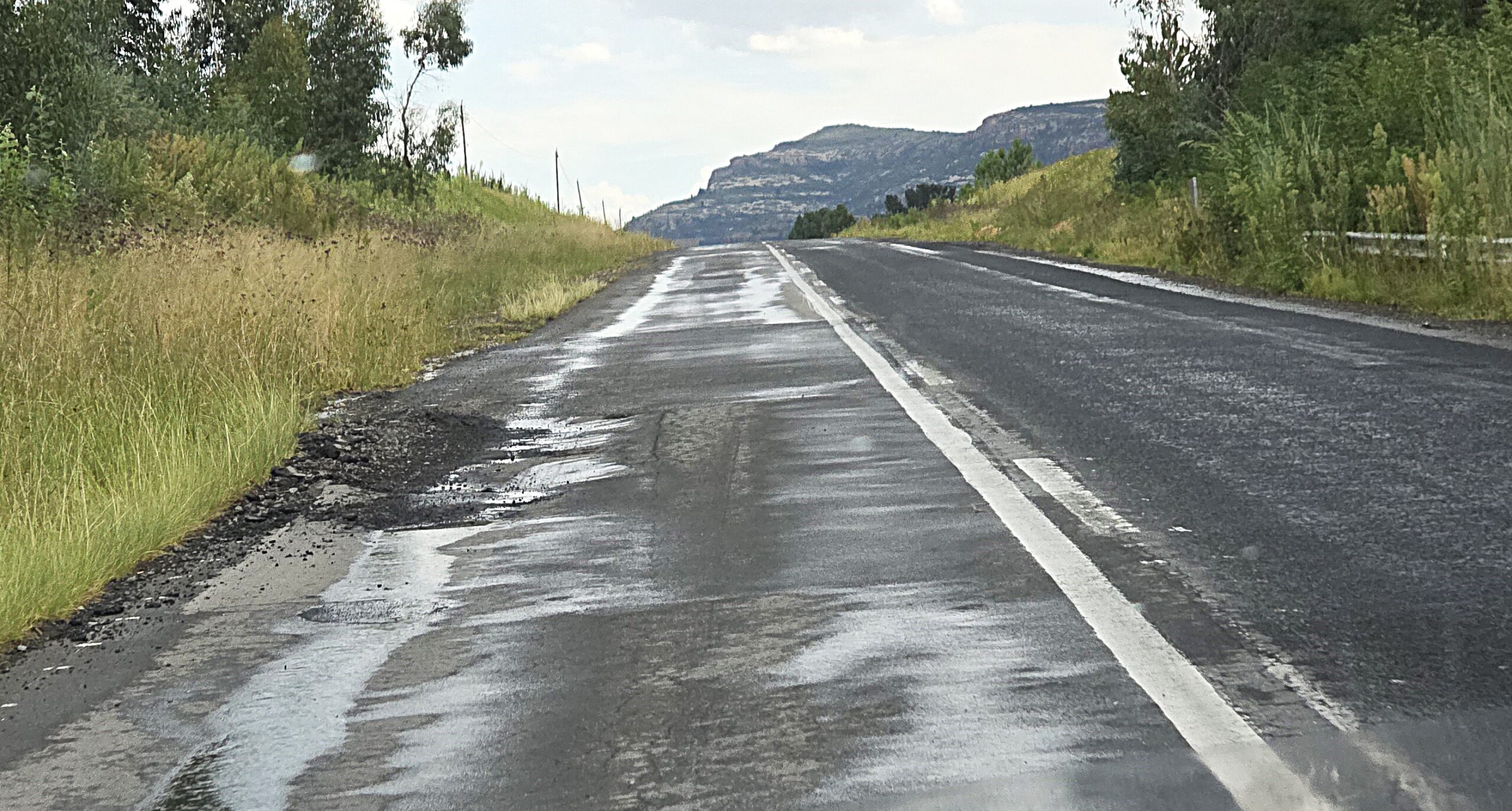
(3) Numerous supply chain disruptions (congestion at ports and intermodal facilities, deteriorating roads, unusually severe floods that have destroyed logistics points, increasing political/social unrest and protests).
(4) Increased business rescue/closure/distress.
(5) Spiraling operating costs (fuel volatility, insurance risk rates, new technology often “required/demanded” by overseas customers).
(6) Severe price increases in CAPEX related expenditure for fleet maintenance and/or replacement.
(7) Key challenges facing road freight operators: Infrastructure bottlenecks, intense pressure to meet rising freight demand while facing sustainability by being pressurised to move loads for lower and lower rates; regulatory hurdles that can potentially “kill” road freight – AARTO, corruption in authorities, cargo hijacking and theft, licensing (driver and vehicle) and permit hurdles.
While these are all very focused on the road freight sector, they remain core to operational dysfunction and it is critical that these be addressed.
The developments in the Transnet space are the initial tentative steps towards the sustainable intermodal and symbiotic freight logistics chain that has been spoken of so often.
SONA 2026 needed to clearly list the next interventions to support and grow real development in 2026. This was lacking. A lot of the burden is placed on the private sector to implement. However, the clear roadmap from the President still seems to be missing.
While rail integration in a sustainable and reliable manner is key to future logistics success, the road freight sector will play its role (as it always has) in assisting to enable the whole road freight and intermodal link to road freight (rail, sea and air) to work – together – to ensure South Africa becomes the hub that those using freight logistics networks will want to use.
Editor’s comment: Kelly’s SONA critique lands at a pivotal moment for South Africa’s freight economy. While government continues to signal reform – particularly within Transnet and the broader intermodal arena, the operational burden still rests heavily on road freight operators who cannot pause investment, driver hiring or fleet renewal while policy clarity catches up. The RFA’s position is unequivocally all about practicality rather than politics. Without firm timelines, regulatory certainty and visible infrastructure recovery, operators are forced to factor risk mitigation costs into every kilometre moved.
If South Africa is serious about positioning itself as a regional logistics hub, road freight cannot remain the silent shock absorber of systemic decay or reform delay. It carries over 80% of the country’s goods and underpins every supply chain conversation about growth, exports and inclusion. The message from the RFA is clear – partnership requires predictability. The next phase of reform will need to move beyond aspiration and ‘broad brush stroke’ political rhetoric (empty promises) to measurable execution.
Click on photographs to enlarge