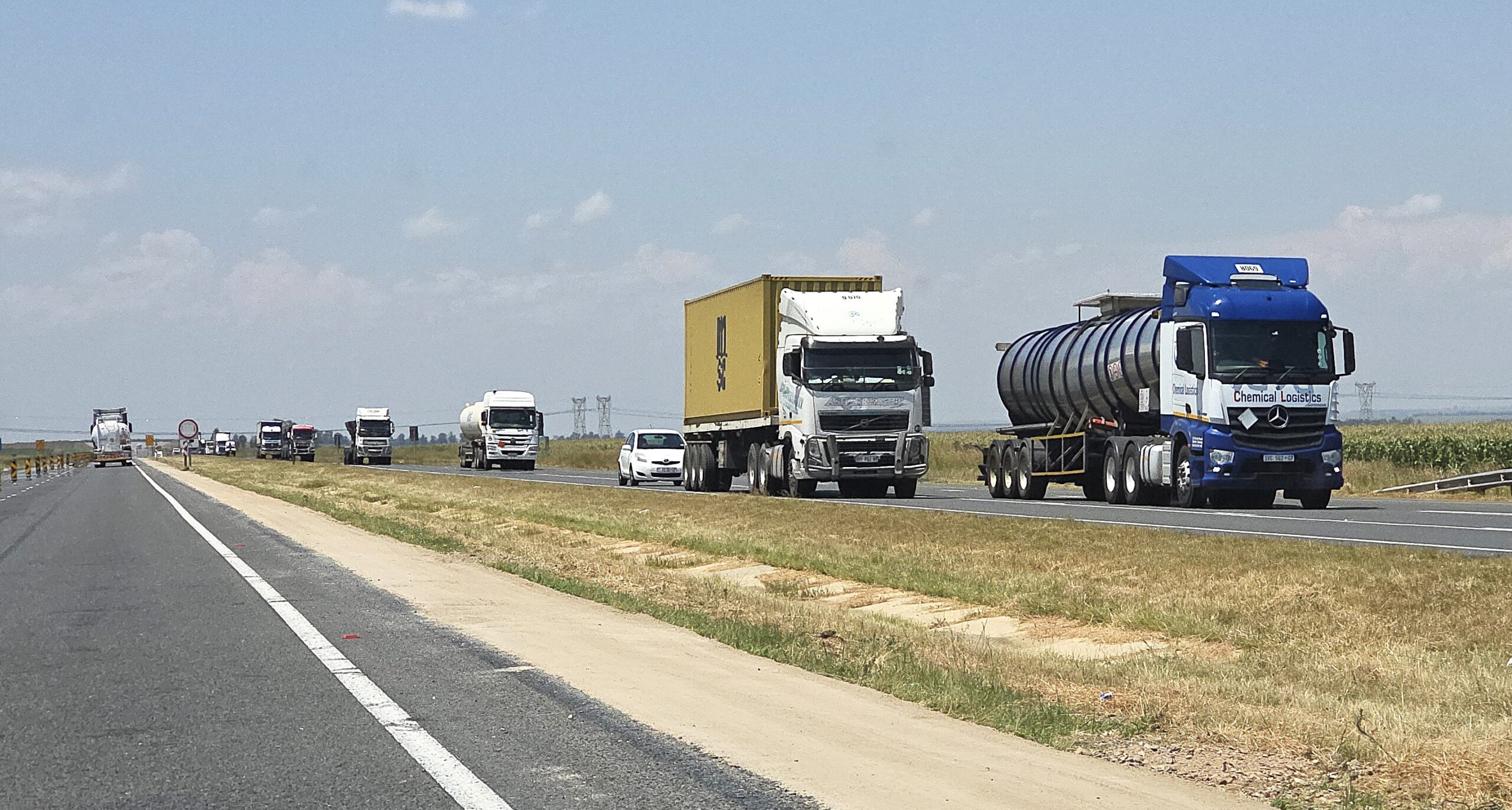
Confirmation that logistics crime remains a national strategic threat requiring co-ordinated industry and law enforcement co-operation and engagement is evidenced via an update on national logistics crime released by the national chairperson of the Anti-Truck Hijacking Forum for the period 01 January 2026 to 16 February 2026. Here are the worrying trends covering trucking, cargo, port and rail.
According to the update, logistics crime remains high and organised with truck hijackings, cargo theft and rail infrastructure theft continuing to impact national supply chains. Syndicates are targeting commercial fleets, high-value loads and key transport corridors.
Truck Hijackings & Cargo Theft
- Approximately 30-35 truck hijackings per week nationally.
- Business-owned and logistics vehicles remain primary targets.
Highest risk areas
- Gauteng (major hotspot).
- KZN (Durban logistics routes).
- Mpumalanga and Free State corridors.
- Increasing activity in Western Cape.
Common tactics
- Spotters at depots, truck stops and ports.
- Following vehicles from loading points.
- Blue-light impersonation and coordinated attacks.
Port & Rail Infrastructure Crime
- Continued theft of rail cables and infrastructure, disrupting freight movement.
- Rail disruptions increasing dependency on road transport, raising hijacking exposure.
- On-going organised syndicate involvement confirmed.
Cargo Theft Trends High-risk cargo includes
- FMCG products.
- Electronics.
- Fuel.
- Food & beverages.
- Retail goods.
Criminals targeting loads from
- Distribution centres.
- Ports.
- Major logistics corridors.
National Hotspot Corridors
- N3: Gauteng ↔ Durban.
- N4: Gauteng ↔ Mpumalanga.
- N1: Gauteng ↔ Free State ↔ Western Cape.
- N2: Western Cape ↔ Eastern Cape.
Forecast (next 3 months)
Truck hijackings are expected to increase moderately with cargo theft remaining high risk. Commercial fleets are expected to remain priority targets and infrastructure theft will continue impacting logistics.
Editor’s Comment: South Africa is battling a crime scourge on multiple fronts and as the data above makes clear, the logistics sector is firmly in the firing line. For decades, truck hijacking has been a highly organised, well-funded criminal enterprise. The difference today is that the industry is no longer standing still. Since the early 1990s, telematics providers have steadily developed sophisticated counter-measures. What were once optional extras are now indispensable – not only for crime prevention and vehicle recovery but for real-time visibility and tighter fleet control. But let’s be clear: logistics crime is not a minor irritation. It is a national strategic threat. It disrupts supply chains, drives up costs and undermines economic stability. Combating it requires determined, coordinated action between industry and law enforcement.
FleetWatch has witnessed the commitment of structures such as the Anti-Truck Hijacking Forum, where dedicated professionals share intelligence and work collectively to push back against criminal networks. However – and this is the uncomfortable truth – collaboration alone is not enough if individual operators fail to play their part. Hoping you won’t be targeted is not a strategy. Every transport operator has a responsibility to implement the strongest possible safeguards. Telematics systems are no longer a “nice to have”. They are a frontline defence. When a vehicle is hit and recovery teams are deployed, accurate, real-time data can mean the difference between recovery and total loss. Enough is enough. Protect your assets. Strengthen your defences. And when the call comes, make sure the good guys have the tools they need to act fast and – more important – to help keep them safe.
Click on photographs to enlarge